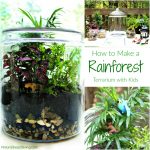
How to Make a Rainforest Terrarium with Kids
A rainforest terrarium is a mini-ecosystem made in a sealed container. It was by far our favorite Rainforest activity, and we hope to enjoy it for many years. Are you ready to create your Rainforest Habitat with an easy-to-make Rainforest Terrarium? I hope you said yes because it’s awesome!
How to Make a Rainforest Terrarium
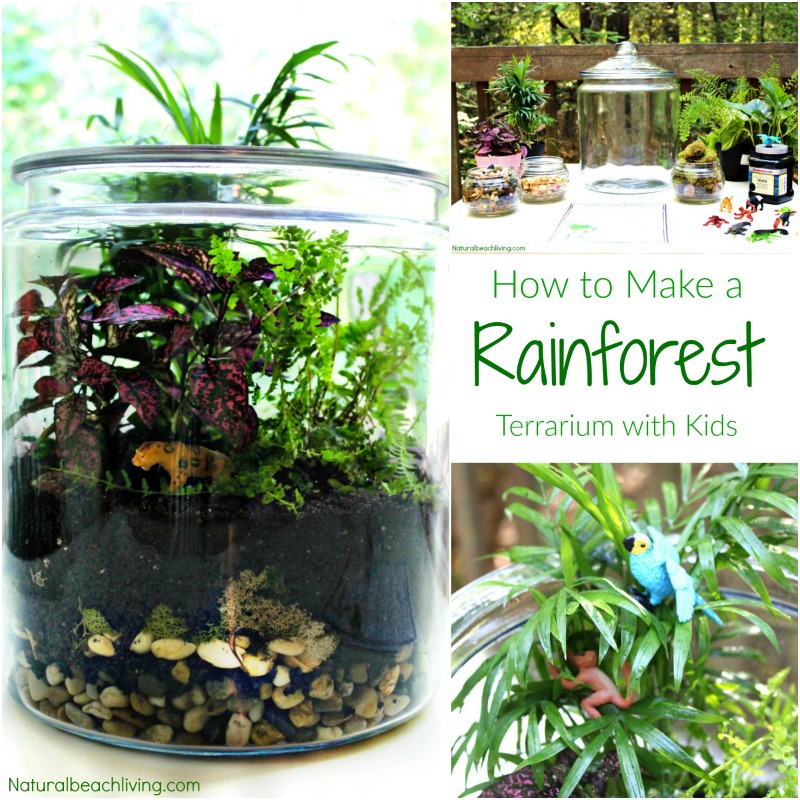
How to Make a Rainforest Terrarium with Kids
Tropical rainforests supply high amounts of oxygen that we breathe in daily, making them a vital part of this world. We need to share knowledge about the importance of rainforests to keep them alive and safe.
Hands-On Activity for learning about a Rainforest
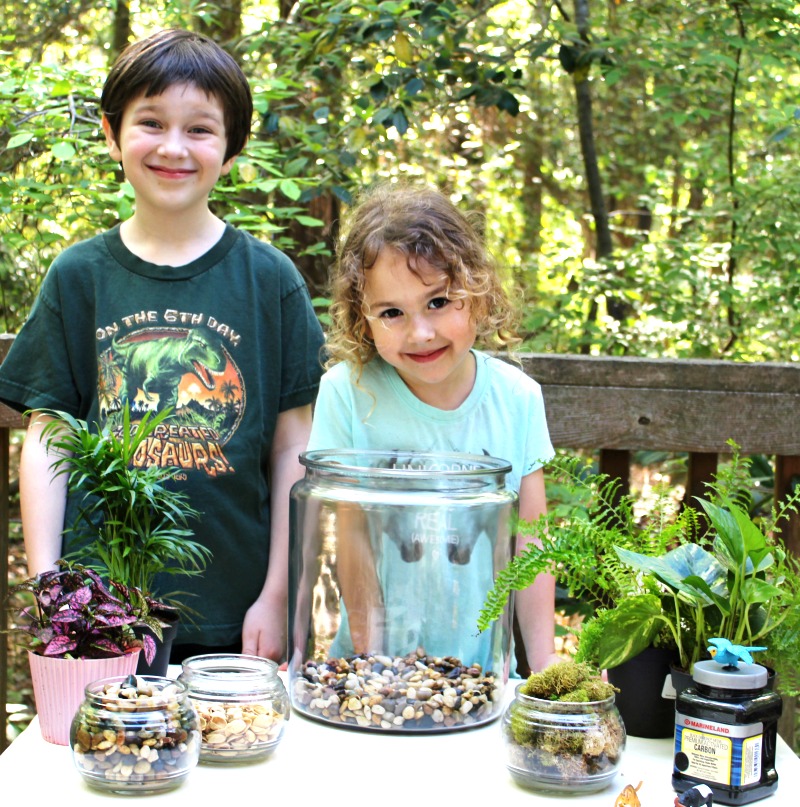
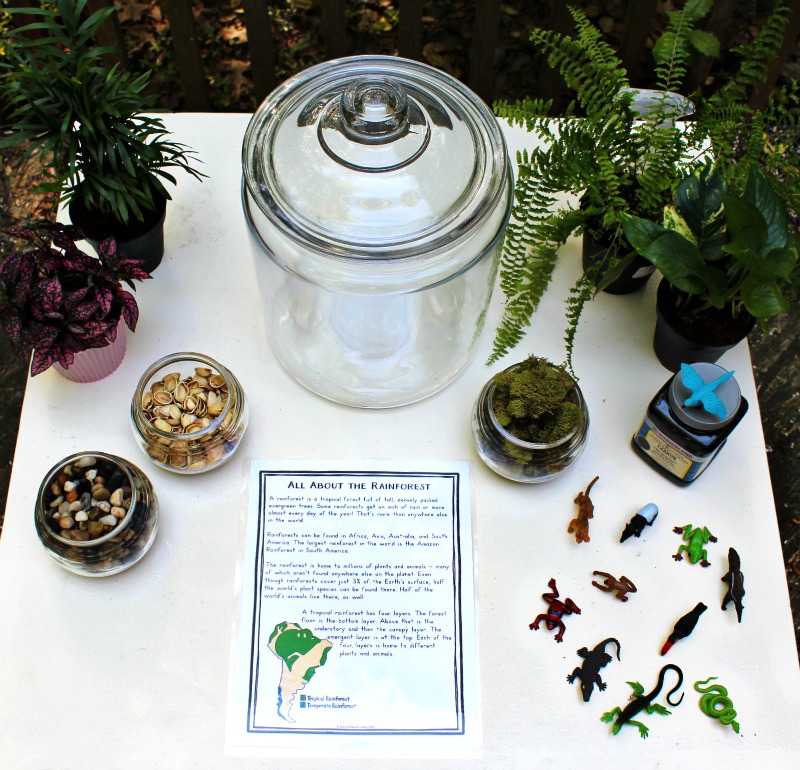
Layer your DIY Rainforest Terrarium
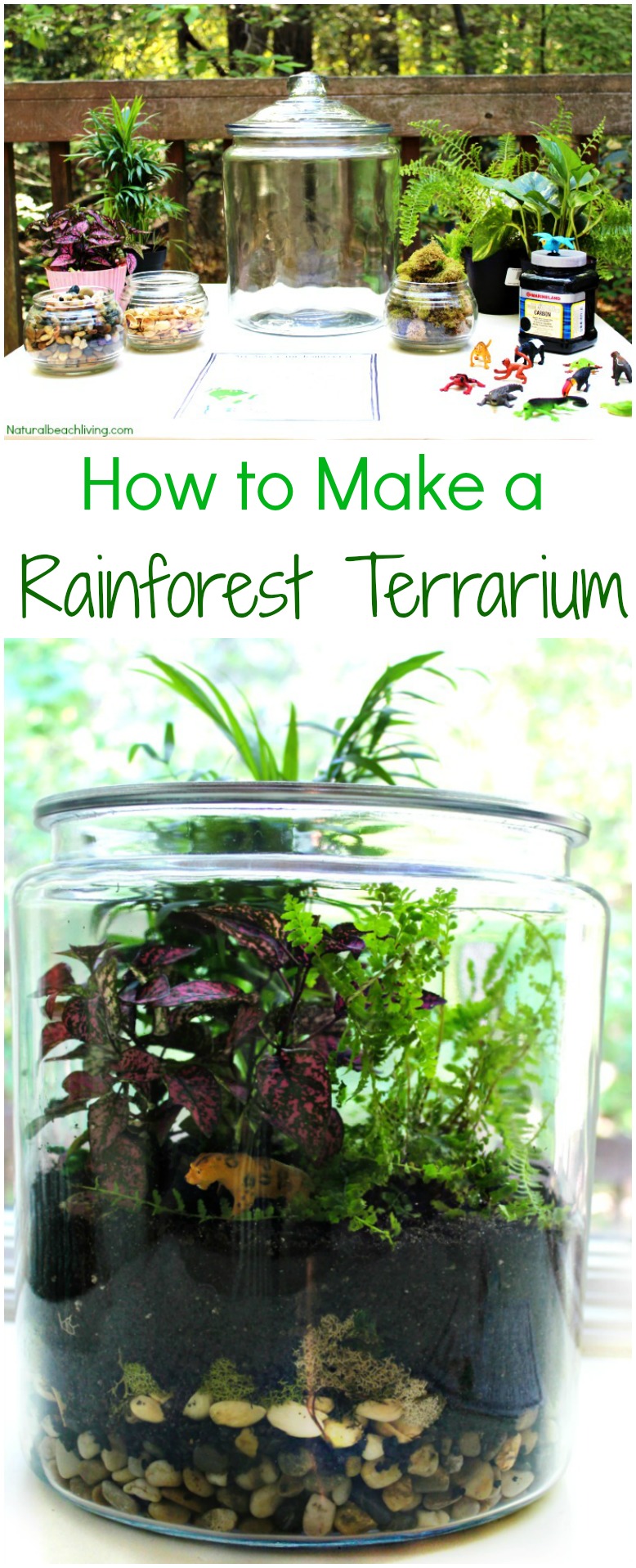
What you will need to make your Rainforest Terrarium with Kids is in this picture above and below. However, I have it displayed in list form towards the bottom of the page.


Build a Rainforest Terrarium
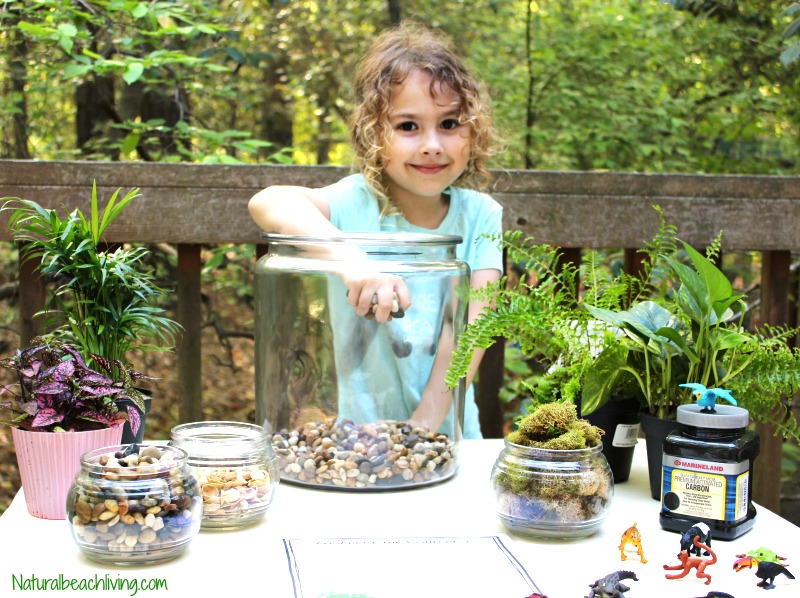
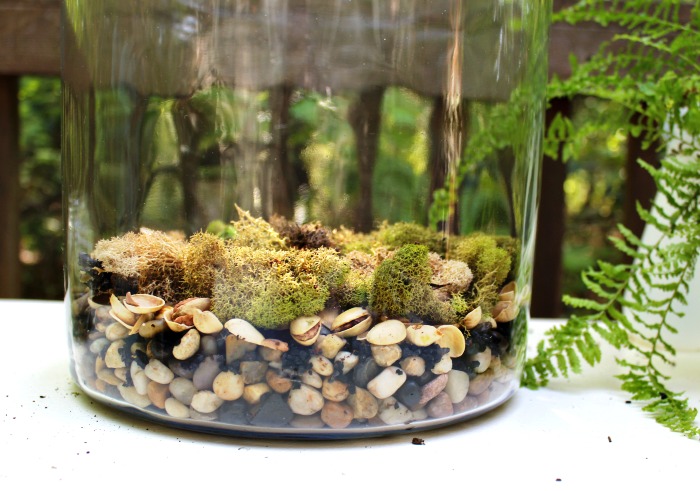
Fill the bottom of your jar with about 1 in. of pebbles. Next, add a layer of Activated Carbon Charcoal – this keeps the terrarium healthy and clean. Top this off with a layer of Moss.
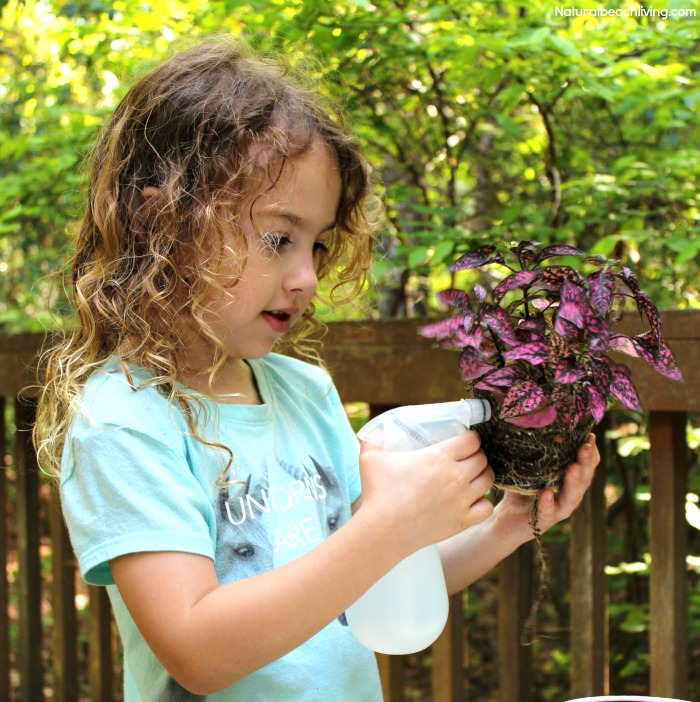
Have the children spritz the plants with water before planting. Add potting soil and grow your favorite mini tropical plants.
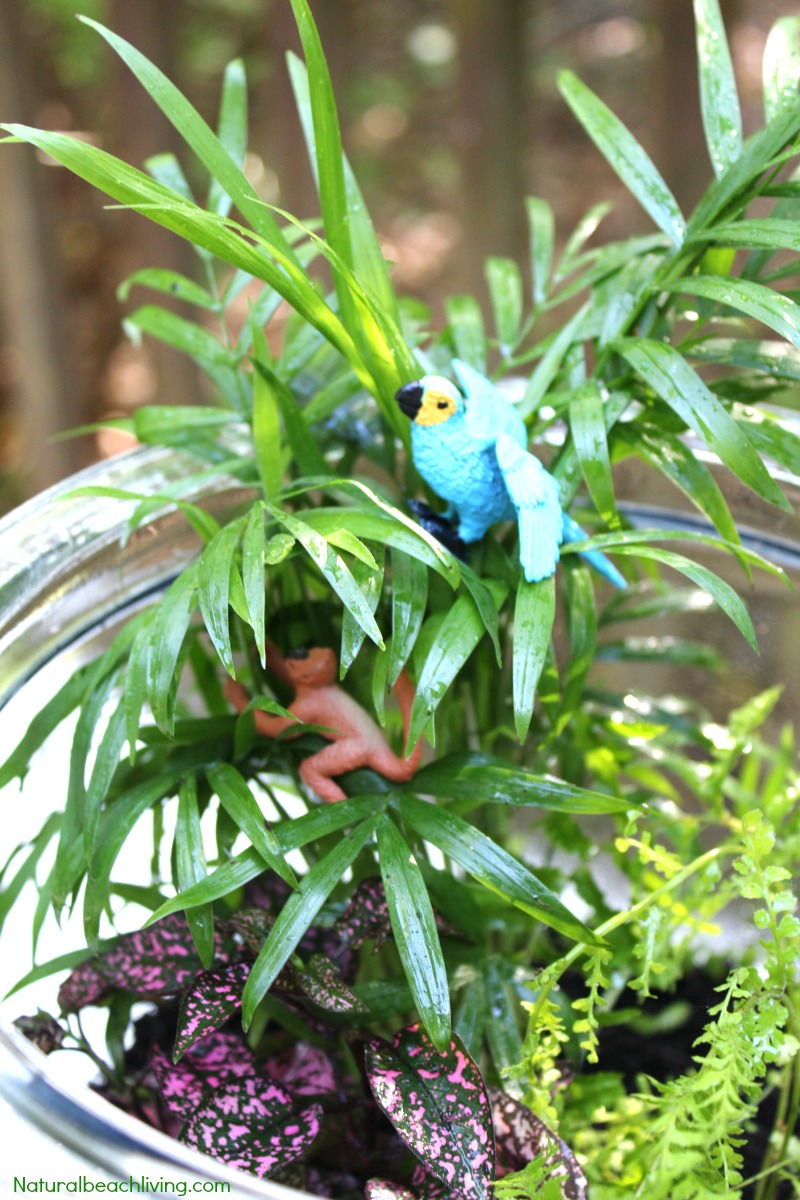
Don’t forget to add a variety of Rainforest animals to your terrarium. The Rainforest is filled with amazing creatures so this fantastic animal habitat won’t be complete without them.
Learning Through DIY Rainforest Terrariums with Kids
Creating a rainforest terrarium with children offers many educational opportunities while fostering a deeper connection with nature. This hands-on project transforms abstract environmental concepts into tangible experiences that children can observe, touch, and care for daily.
Scientific Discoveries
Building a rainforest terrarium introduces children to fundamental scientific concepts:
- The water cycle in action: Children witness condensation forming on glass walls, “rain” falling back onto plants, and evaporation occurring—all within a closed ecosystem
- Photosynthesis and plant growth: Observing how plants use light to grow provides a visual understanding of this essential process
- Biodiversity: Different plant species with varying needs demonstrate how organisms adapt to specific ecological niches
Environmental Awareness
A miniature rainforest serves as a powerful teaching tool for environmental stewardship:
- Ecosystem interdependence: Children learn how different elements—soil, plants, moisture, and light work together to create a balanced environment
- Conservation importance: The terrarium sparks conversations about real rainforests, their importance for our planet, and why protecting them matters
- Sustainability concepts: The closed system demonstrates how resources cycle and how waste becomes a resource
Practical Skills Development
The creation process itself builds valuable capabilities:
- Fine motor skills: Carefully handling delicate plants, placing moss, and arranging decorative elements develops dexterity
- Project planning: From gathering materials to constructing layers, children learn to follow sequences and plan ahead
- Observational skills: Recording growth patterns and changes encourages detailed observation and critical thinking
Emotional and Social Growth
Beyond the academic benefits, terrarium projects foster:
- Patience: Watching a terrarium develop over weeks teaches delayed gratification
- Responsibility: Caring for living things builds empathy and a sense of duty
- Collaboration: Working together on design decisions and maintenance promotes teamwork
- Pride: Successfully creating a thriving miniature ecosystem builds confidence
Getting Started
The most educational terrariums often include:
- Clear layers of gravel, charcoal, and soil for discussing filtration
- A variety of plant types to compare growth patterns
- A journal for recording observations and changes
- Regular “terrarium checks” where children can share what they’ve noticed
Bringing a piece of the rainforest into your home or classroom creates an ongoing learning laboratory that engages children’s natural curiosity while building environmental consciousness that may last a lifetime.
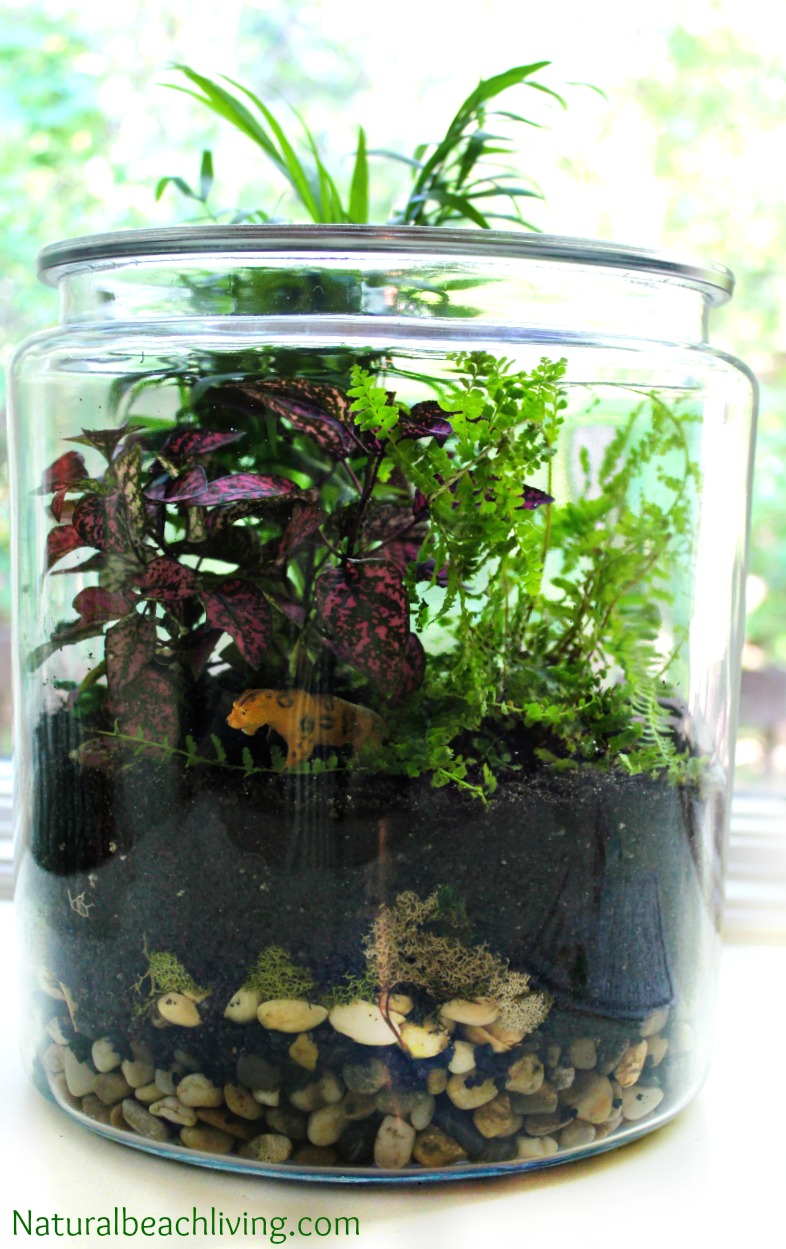
Enjoy your Rainforest Terrarium for a few hours while it dries, then put a lid on it. It is best to open the lid occasionally to give it fresh air (once every few weeks).
By placing a lid on your terrarium, it becomes a self-sustaining environment, and you and your children get a first-hand look at the water cycle.
Rainforest Terrarium
How to Make a Rainforest
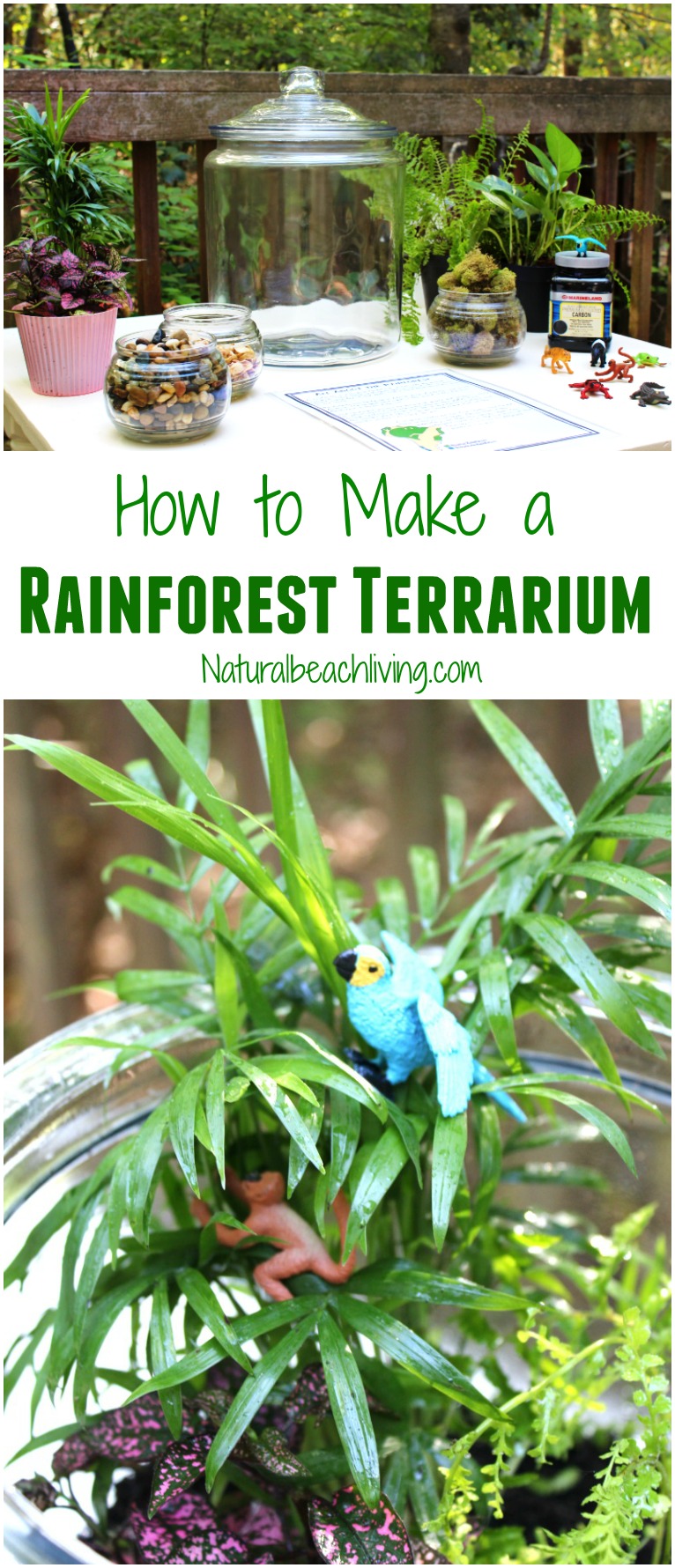
Build a Rainforest Terrarium in a Jar
Materials:
Large Jar, tank or bottle with lid (we bought this one at Walmart)
Pebbles
Activated Carbon/Charcoal (find this at Amazon or Pet store)
Moss or Pistachio shells (we used a little of both)
Organic Potting soil
1-3 small tropical plants (my favorite is the Palm, but any mini tropical plant works great)
Rainforest animals
Directions:
Layer your DIY Rainforest Terrarium:
Add 1 inch of pebbles to the bottom of the planter.
Add a single layer of activated carbon. This will filter the water and help with clarity.
Add a layer of moss and /or pistachio shells.
Plant your rainforest:
Add a little bit of potting soil
Plant small tropical plants. (My favorite is the palm)
Add fresh moss to the top of the soil.
Decorate with a few rainforest creatures
Finishing Touches:
Lightly Spray a little bit of water on your terrarium plants.
Place a sealed Lid on your terrarium.
Place your terrarium where you can enjoy it, and it will get indirect sunlight.
DIY RAINFOREST TERRARIUM
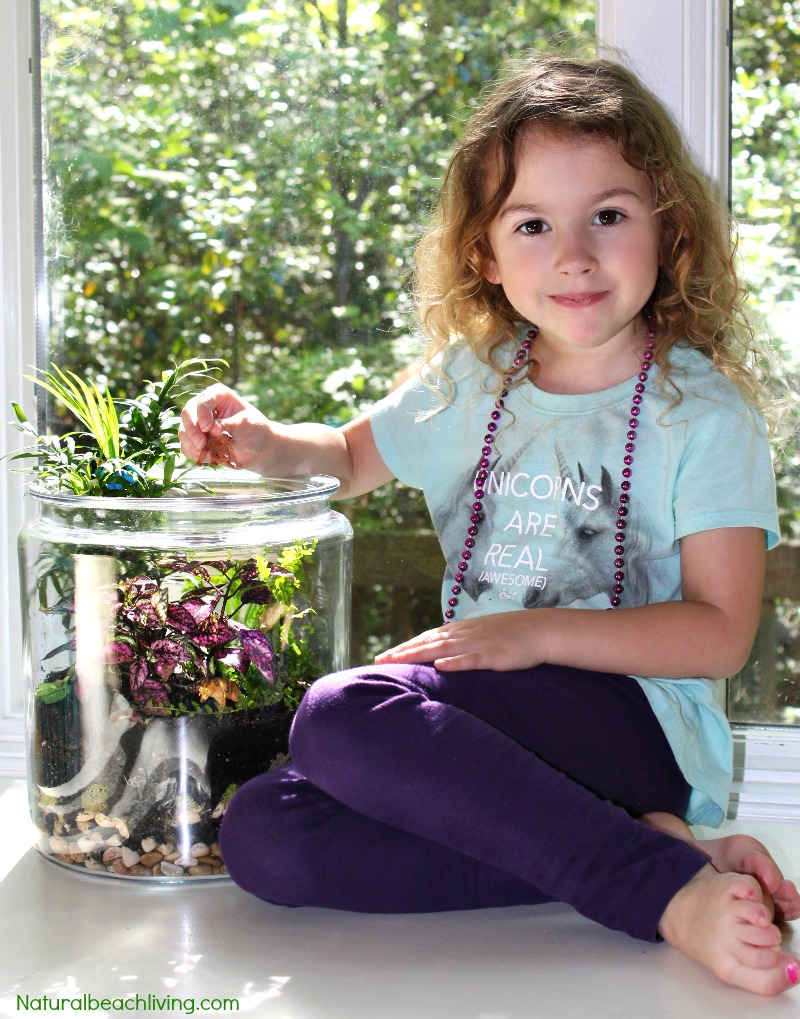
Visit The Rainforest Activities Page for more Information and Ideas for Kids.
RAINFOREST TERRARIUM
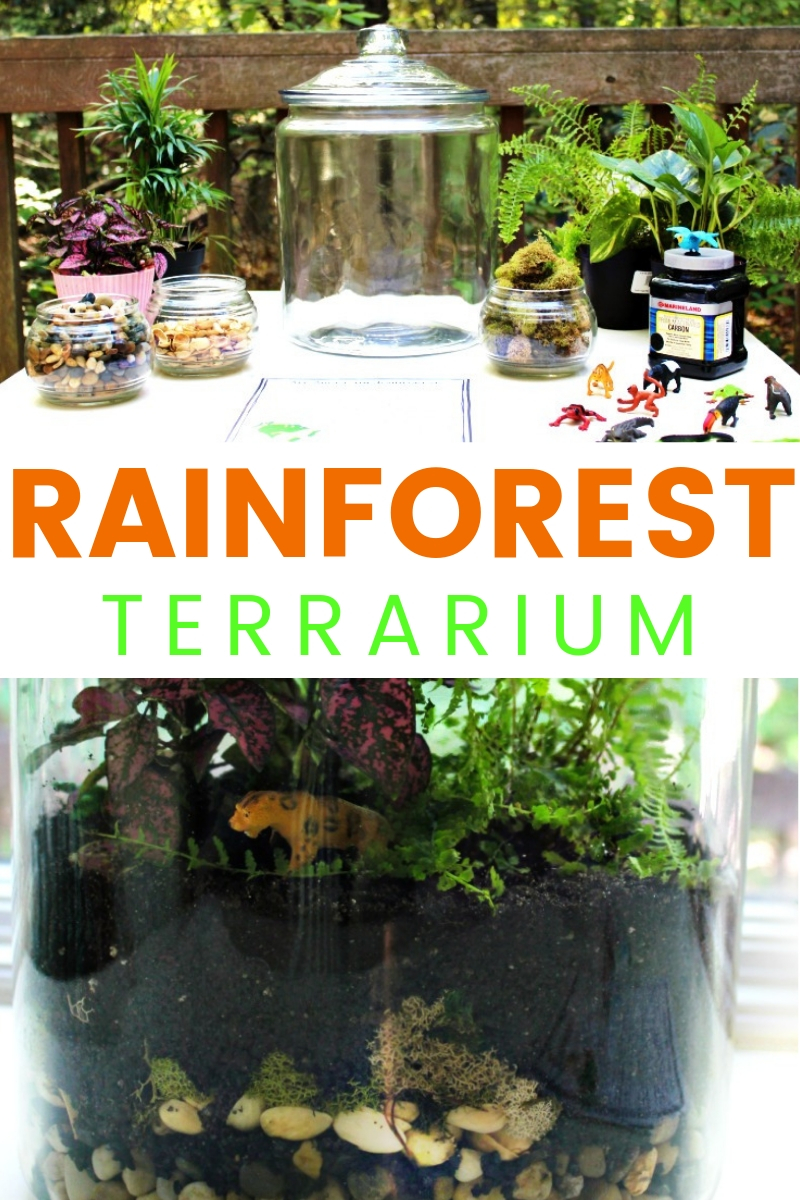
Pick up a few wonderful books on the rainforest. Visual Explorers Rainforests is just one of our favorites. You can find the others here.
RAINFOREST THEME ACTIVITIES
Studies have shown that if you like this, you will also love the following articles. I have pulled them together for you right here!
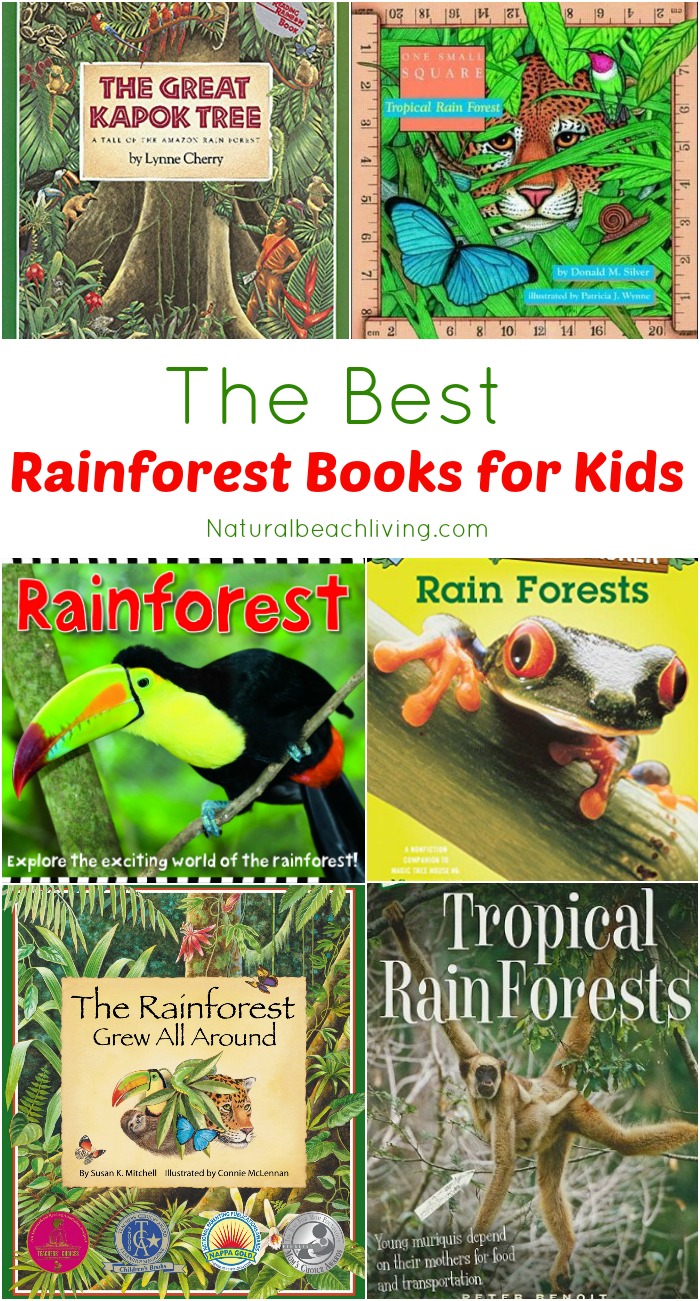
The Best Rainforest Children Books
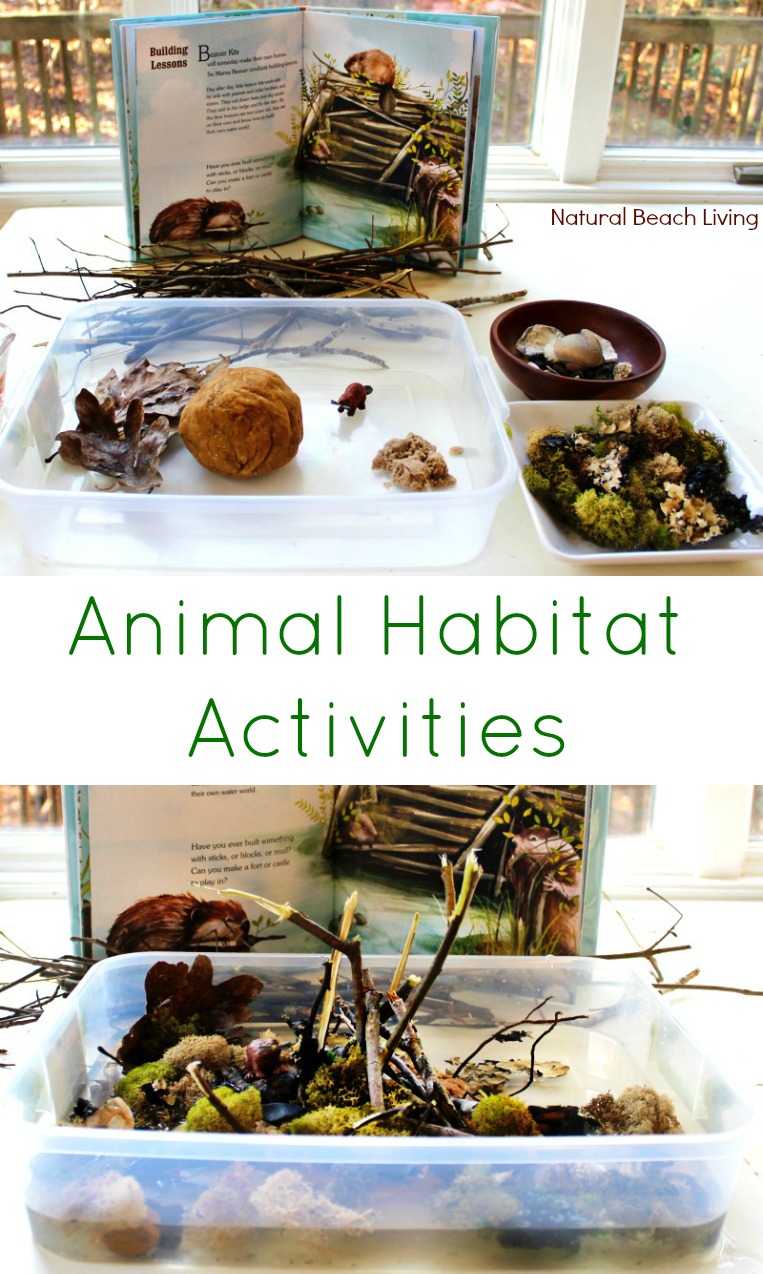
Animal Habitat Activities for Preschool
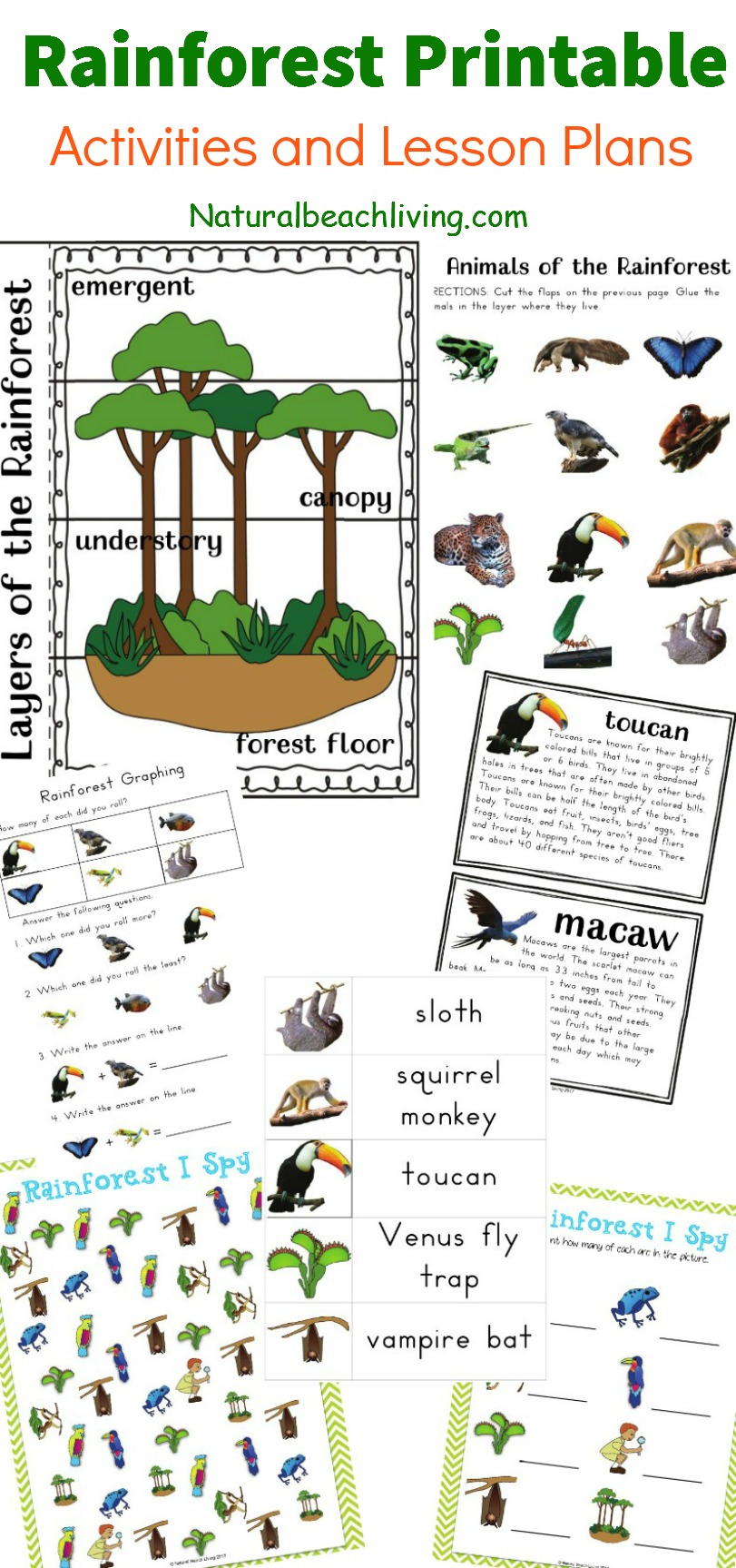
The Best Rainforest Printable Activities Pack
How to Create a Rainforest
Make this easy DIY Rainforest Terrarium
- Large Jar tank or bottle with lid (we bought one at Walmart)
- Pebbles
- Activated Carbon/Charcoal find this at Amazon or Pet store
- Moss or Pistachio shells we used a little of both
- Organic Potting soil
- 1-3 small tropical plants my favorite is the Palm, but any mini tropical plant works great
- Rainforest animals
-
Layer your DIY Rainforest Terrarium
-
Add 1 inch of pebbles to the bottom of the planter.
-
Add a single layer of activated carbon. This will filter the water and help with clarity.
-
Add a layer of moss and /or pistachio shells.
-
Add a little bit of potting soil
-
Plant small tropical plants. (My favorite is the palm)
-
Add fresh moss to the top of the soil.
-
Decorate with a few rainforest creatures
Finishing Touches:
Lightly Spray a little bit of water on your terrarium plants once a month.
Place a sealed Lid on your terrarium
Place your terrarium where you can enjoy it and it will get indirect sunlight.