Easy Ways to Help Bees in Your Backyard- Save the Bees
Bees are amazing creatures that help our gardens and food supply. They pollinate plants, which helps flowers bloom and vegetables grow. Sadly, bee populations are declining due to habitat loss, pesticides, and climate change. Here, you’ll see Easy Ways to Help Bees in Your Backyard and simple steps to create a bee garden.

Easy Ways to Help Bees in Your Backyard
Turning your backyard into a bee-friendly haven can make a big difference for bees. Simple changes like planting native flowers, avoiding chemicals, and providing water sources can help local bee populations thrive. These small steps create safe spaces where bees can find food and shelter.
Your efforts to help bees will benefit your garden, too. With more pollinators visiting, you’ll see more abundant flowers and better harvests. Watching bees buzz from bloom to bloom brings joy and connects you with nature right outside your door.
affiliate links can be found on this blog at no cost to you.
Simple Steps to Create a Bee Garden.
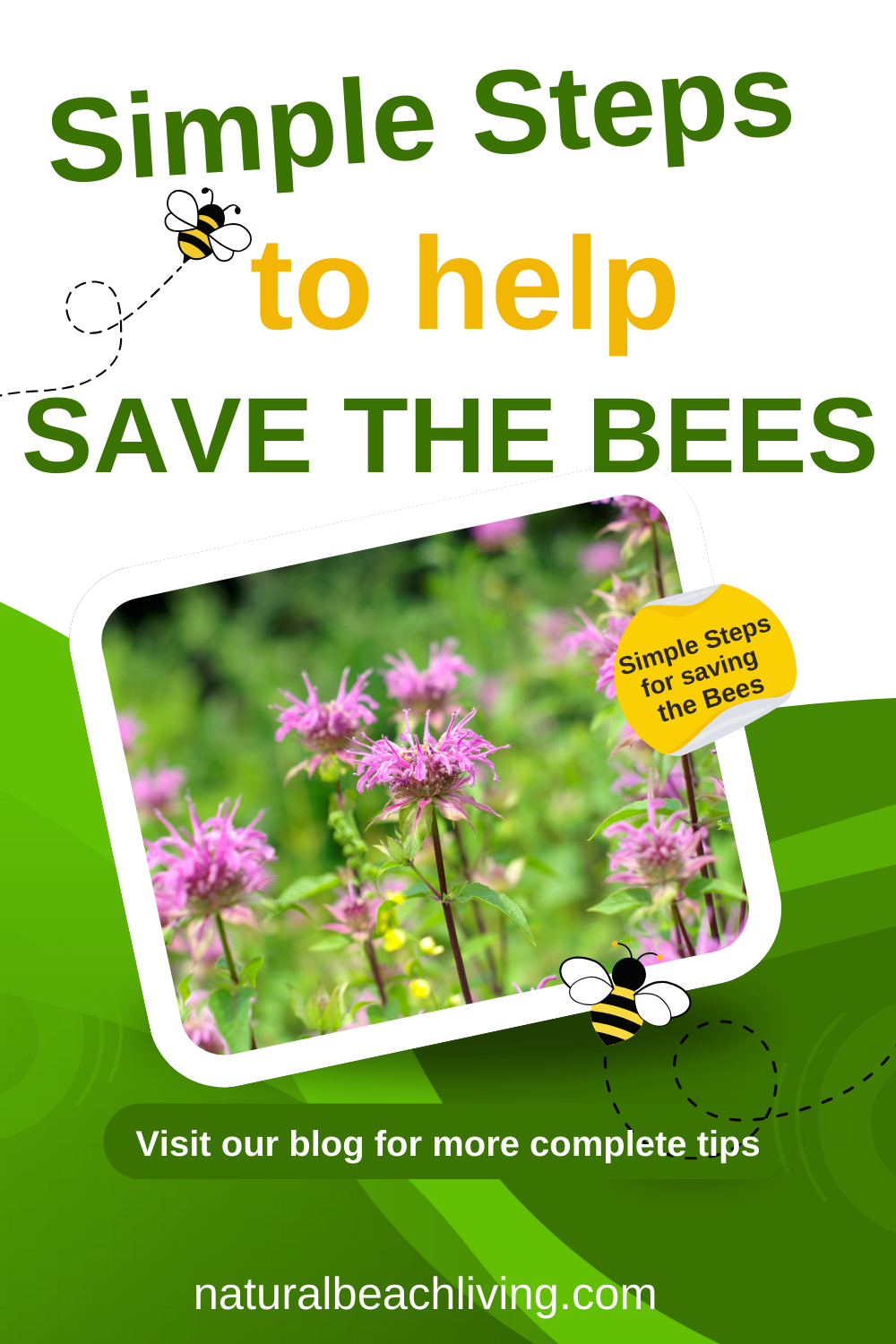
Learning about Bees
Bees play a crucial role in our ecosystem, acting as key pollinators for many plants that produce the fruits, vegetables, and nuts we rely on. However, bee populations face significant declines due to habitat loss, pesticide use, and climate change.
One impactful way we can support these vital insects is by planting bee-friendly gardens. By selecting the right plants, we can provide bees with the nectar and pollen they need to thrive while enhancing our outdoor spaces’ beauty and biodiversity.
This page will explore the best plants and ideas to cultivate in your garden to create a haven for bees, helping to ensure their survival and the health of our environment.
Bees are important to our food supply and the ecosystem. Without bees pollinating plants, we would lose as much as 70% of our crops and up to 90% of our wild plants.
Sadly, bees are dying out, and many species have landed on the endangered list. If everyone tries to help save the bees, we can make a world of difference.
Creating a Bee-Friendly Garden
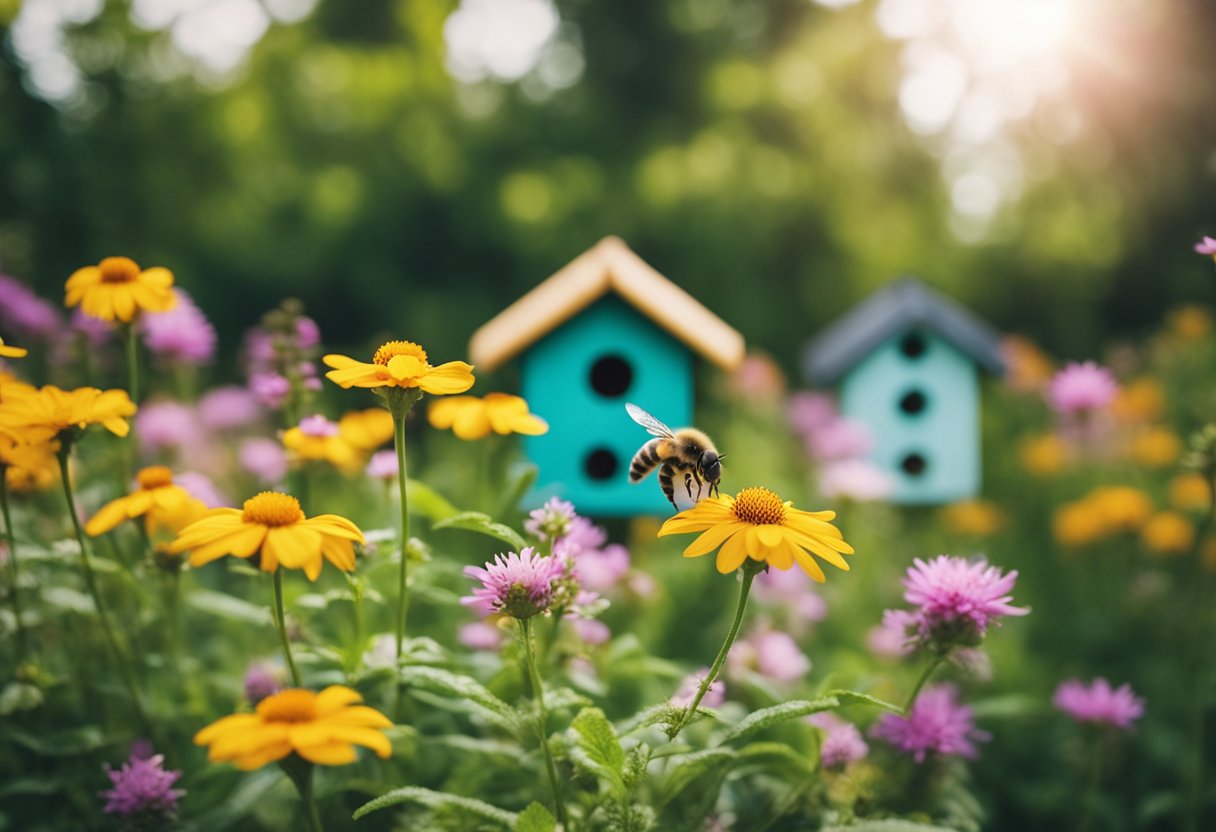
Transforming your yard into a bee haven is easier than you might think! By choosing the right plants, planning for continuous blooms, and skipping harmful chemicals, you can create a paradise for our buzzing friends.
What kind of plants can I grow to attract and support bees in my garden?
Native plants are the best choice for supporting local bee populations. These plants have evolved alongside native bees and provide the most nutritional value.
Culinary herbs like basil, thyme, and rosemary are excellent choices that serve double duty – they’re great for your kitchen and for bees!
Flowers such as coneflowers, black-eyed Susans, and sunflowers are also bee favorites. Plant varieties that bloom at different times to provide food throughout the growing season.
Clover and buckwheat are wonderful options if you have more space. They’re easy to grow, and bees absolutely love them.


Bee Garden
Choosing the Right Plants for a Bee Garden
Native plants are the superstars of any bee-friendly garden. Bees have evolved alongside these plants and are naturally drawn to them. Try planting bee balm, coneflowers, and lavender – bees simply can’t resist them!
Wildflowers like black-eyed Susans and asters are excellent choices too. They provide abundant nectar and pollen that bees need for survival.
Remember herbs! Catmint, oregano, and thyme not only spice up your cooking but also attract many pollinators.
Include some sunflowers for late summer feeding. Their large flower heads provide a banquet for bees and other beneficial insects.
Leave a small area with bare soil in your garden. Many native bees are ground-nesters and need access to soil to create their homes.
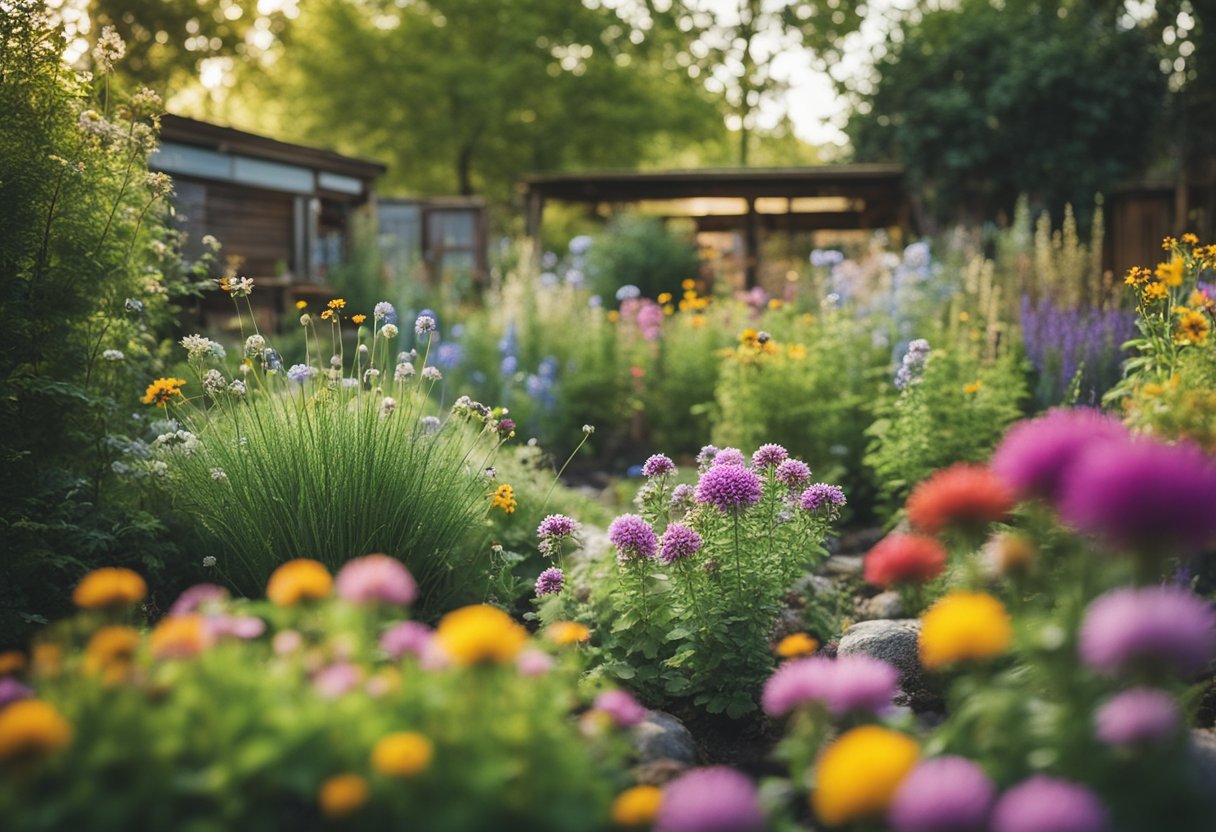
What to Plant to Help Save the Bees
To help the bees you can avoid the use of chemical weed killers and pesticides while adding plants to your garden that feed the bees.
A wildflower mix is always a great option for planting food for bees to help them thrive. Native plants are always the best choice.
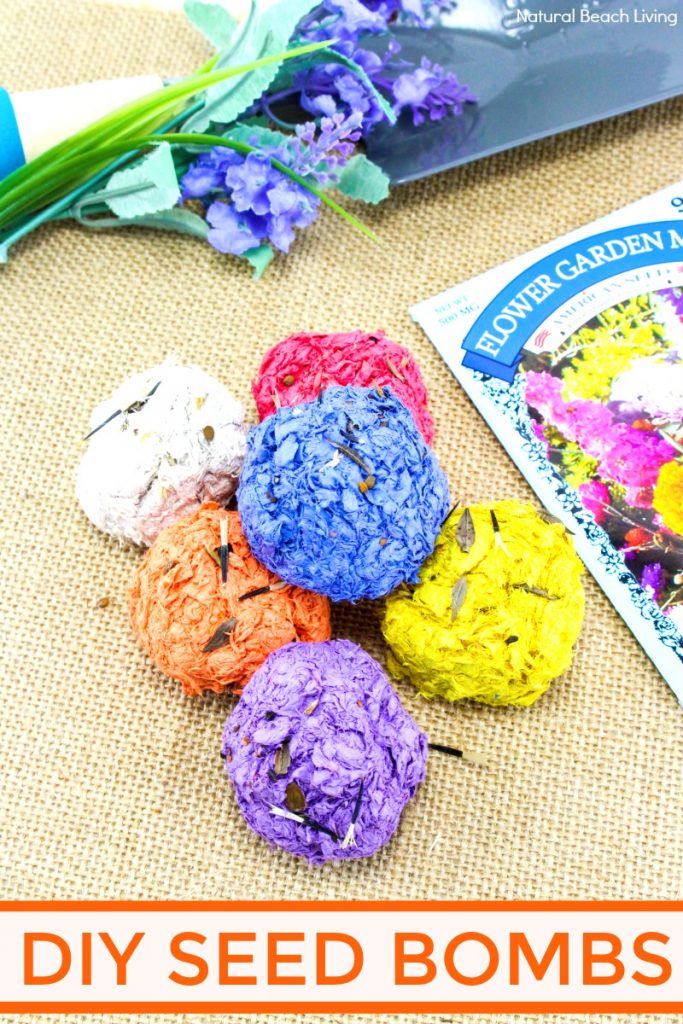
How to help bees in your backyard naturally
In the early spring, as bees wake up and look for food, the blooms available are slim pickings. If it’s possible, leave dandelions in your yard to give them food.
- Planting lilac
- hyacinth
- Calendula for spring blooms is a great way to help bees.
Planting for bees in the summer is easy. Bee balm is a common and easy to find herb that bees gravitate to. Planting bee balm in your garden will give them a food source they love while providing a great culinary herb for your kitchen.
- Hastas are great landscaping plants that bees love to feast on during the summer.
- Cosmos are also great additions to any summer bee garden.
- Echinacea, also known as coneflower, is perfect for attracting bees to your garden and providing them with food. This flower is also a great natural immune booster you can make into a tea to fight off illnesses.
Plan to provide blooms in the fall when bees need them to finish building their stores for the winter.
Zinnias and goldenrods are great options for helping the bees when the flower blooms die off from other plants.
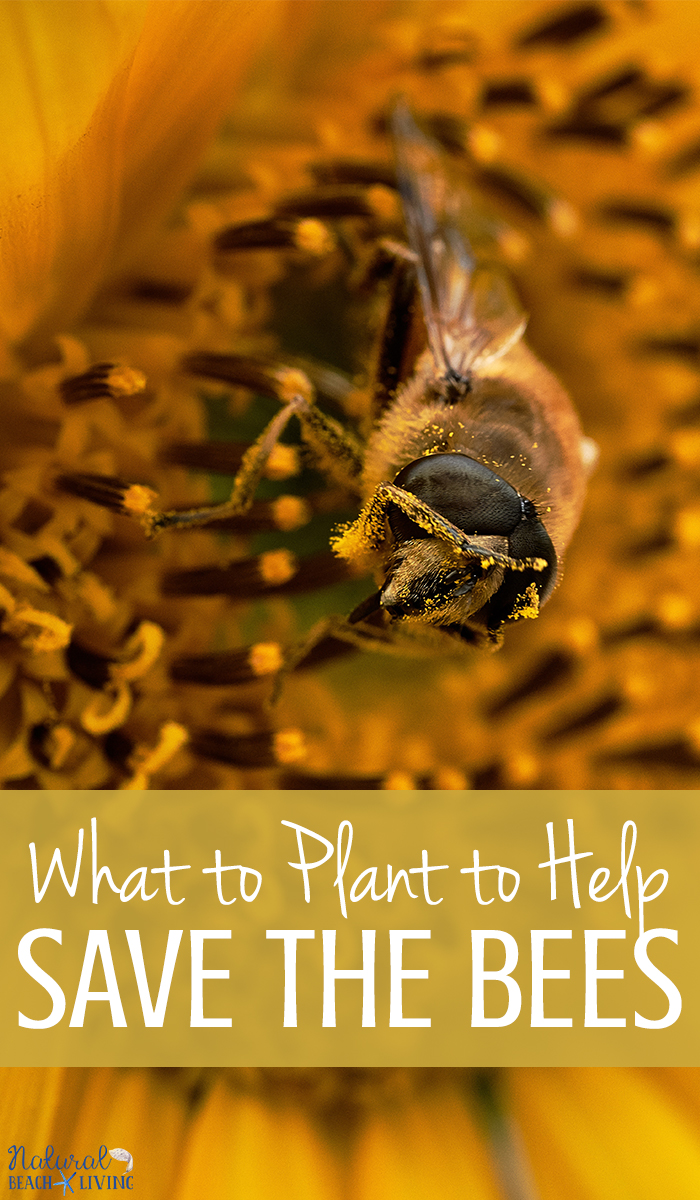
Understanding Bloom Time and Plant Diversity
Plan your garden for continuous blooming from early spring through late fall. Early crocus and snowdrops feed hungry bees emerging from winter, while asters and goldenrod provide essential late-season nectar.
Mix different flower shapes and sizes. Some bees have long tongues and prefer tubular flowers, while others need flat, open blooms for easy landing.
Include at least three flowering plants for each season. This diversity ensures bees have food sources year-round and helps support many different bee species.
Don’t forget flowering trees and shrubs! Apple trees, blueberry bushes, and flowering cherries provide massive amounts of pollen and nectar during their bloom periods.


The Importance of Avoiding Pesticides
Pesticides, especially neonicotinoids, can be deadly to bees, even in tiny amounts. Read labels carefully and choose only bee-friendly products when necessary.
First, try natural pest control methods. Introduce beneficial insects like ladybugs and lacewings, which eat garden pests without harming bees.
If you must treat plants, do it after sunset when bees have returned to their hives or nests. Never spray open flowers that bees visit.
Create habitat areas with native grasses and perennials you never treat with chemicals. These “safe zones” give bees places to forage without exposure to harmful substances.
Remember that a few holes in the leaves are a small price to pay for a garden humming with pollinators who help your flowering plants and crops thrive!

Supporting Bees Beyond Planting
While flowering plants provide food for bees, there are many other ways to help these important insects thrive. Creating a bee-friendly yard means thinking about shelter, understanding different species needs, and joining greater conservation efforts.
Providing Shelter and Nesting Habitats
Different bees need different types of Bee homes. About 70% of native bees are ground nesters, so leave some bare soil patches in sunny spots of your yard for these underground dwellers.
Solitary bees, like mason and leafcutter bees, need hollow stems or holes in wood.
You can:
- Leave dead perennial stems standing through winter
- Keep dead trees or “snags” when safe to do so
- Build or buy a bee house
Bumblebees often nest in abandoned rodent burrows or tall grass clumps. Creating an unmowed section in your yard provides potential nesting spots.
In the fall, resist the urge to clear all your yard waste! Fallen leaves make excellent winter shelter for many pollinators. Instead of removing them, rake your leaves under shrubs or into the garden beds.
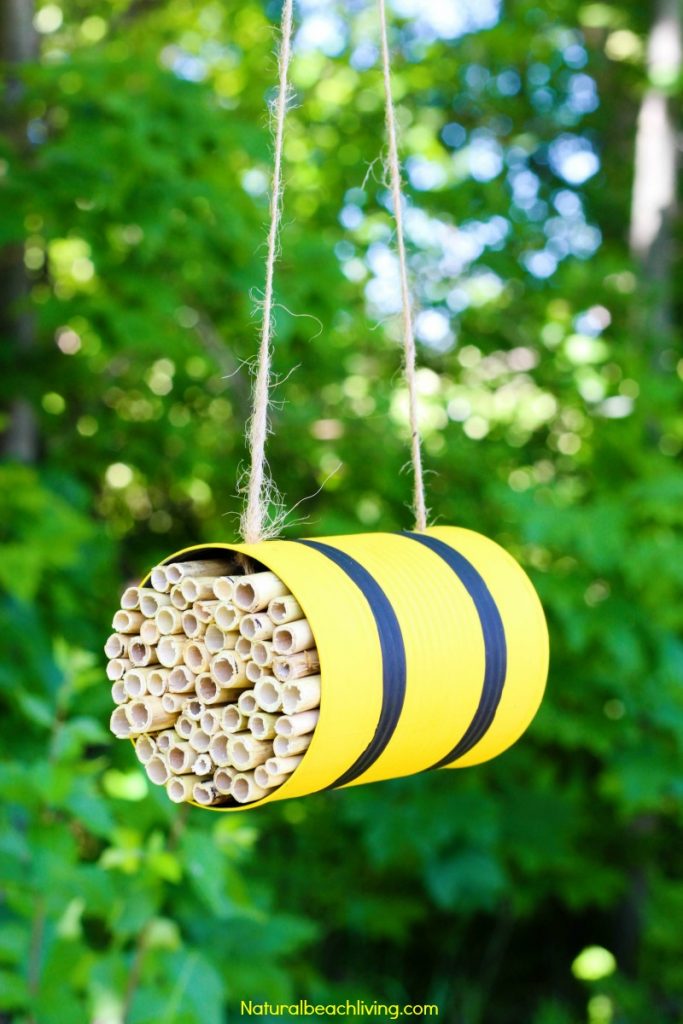
DIY Mason Bee House
Creating a mason bee habitat is an excellent way to support local pollinators. These gentle bees are highly efficient at pollinating plants and can thrive in simple, homemade shelters crafted from recycled materials like wood blocks, cans, bamboo, or paper tubes.
Understanding the Needs of Different Bee Species
Native bees and honeybees have different requirements. Honeybees live in managed hives, while your yard might host dozens of native bee species with unique needs.
Native bees, like mason bees, emerge early in spring, so early-blooming flowers are crucial. On the other hand, Bumblebees need consistent flowering plants throughout the entire season since their colonies live through summer.
Solitary bees often have specialized relationships with native plants. For example, squash bees only visit cucurbit flowers like pumpkins and zucchini.
Water is essential, too! Create a bee watering station with marbles or stones in a shallow dish so bees can drink without drowning.
Avoid using pesticides in your urban yard, as they harm pollinator populations. Even “organic” options can damage beneficial insects. Try companion planting instead – marigolds and zinnias naturally repel many pests.
Contributing to Bee Conservation Efforts
Habitat loss and diseases like those causing colony collapse disorder threaten bees everywhere. Your backyard efforts make a real difference!
Join community science projects tracking bee populations. The Bumble Bee Watch program lets you photograph and identify bumblebees in your area, contributing valuable data to researchers.
Talk to neighbors about creating pollinator corridors – connected habitats that help bees travel safely through urban areas. Even small gardens can become stepping stones between larger natural areas.
Plant native flowering shrubs that support native pollinators. These plants have evolved alongside local bees and provide what they need to thrive.
Consider becoming a certified bee-friendly garden through organizations like Pollinator Partnership or the Xerces Society. They provide resources and recognition for your conservation work!
Many backyard gardeners have questions about how to support bees. Here are some answers to help you on your journey to create a bee-friendly outdoor space.
Is sugar water a safe way to help nourish bees, and how should I do it?
Sugar water should only be used as a temporary solution for exhausted bees. It’s not a replacement for natural nectar. The best food for bees is always natural flower nectar. Focus on planting flowers rather than regularly providing sugar water.
What are the essential features of a bee-friendly garden?
A bee-friendly garden needs diverse flowering plants that bloom throughout the seasons. This ensures food is always available.
Water sources are crucial – create shallow dishes with pebbles where bees can safely land and drink without drowning.
Avoid using pesticides and herbicides which can harm or kill bees. Natural pest control methods are much safer for our pollinator friends.
Leave some areas of bare soil for ground-nesting bees. Not all bees live in hives – many species need patches of undisturbed earth to make their homes.
How can I create a safe habitat for bees in my outdoor space?
Create bee houses by drilling holes of various sizes in blocks of untreated wood. These provide nesting sites for solitary bees.
Leave some garden areas unmaintained. Dead stems and leaf litter provide important winter shelter for many bee species.
Consider setting aside an area to grow wild if you have a larger yard. This natural habitat supports diverse bee populations.
Add a small fence around flowering trees or bee-friendly areas to create a protected zone where bees can work undisturbed.
What actions can I take to contribute to the Save the Bees movement in my backyard?
Preserve and create bee habitats by dedicating space in your yard for pollinator gardens with diverse, bee-friendly plants.
Support organizations that promote bee conservation. Many offer resources to help you make your yard more bee-friendly.
Spread awareness by sharing your bee garden success with neighbors and friends. Community efforts have a bigger impact than individual actions.
Buy local honey to support beekeepers who maintain healthy hives and promote good beekeeping practices.
How should I manage encounters with bees to ensure their safety and mine?
Stay calm when bees are nearby. Quick movements and swatting will make them feel threatened and more likely to sting.
Wear light-colored clothing when gardening, as dark colors can make bees feel threatened. Avoid floral perfumes that might confuse them.
If bees build a hive in an inconvenient location, contact a local beekeeper who can safely relocate them rather than exterminate them.
Remember that bees are generally not aggressive unless they feel threatened. Give them space to do their important work, and they’ll usually ignore you completely.
Bee Printables
Subscribe for your free bee printables
Bee Activities for Kids