Exploring Montessori Sensory Play with Babies
Like us, babies experience this world through their senses. Dr. Maria Montessori shared her beliefs that sensorial experiences begin at birth. Through senses, the child/baby is studying, learning, and starting to understand the environment. The first few years of a child’s life are the most important years for brain development, so it is essential to let your baby experience things and be able to use all of their senses. Let’s explore Montessori Sensory.
This is a fun Montessori sensory bin for babies and toddlers. It is an edible experience for your child’s senses. Enjoy!
Montessori Sensory Play for Babies and Toddlers
Montessori Sensory Play for Babies
If you landed here and your baby is already moving to the toddler stage, visit Montessori Activities for Ages 2-10.
Montessori sensorial activities should improve and work on the five senses: tactile, visual, auditory, Sense of smell, and taste.
Sensory Play for Babies

The Benefits of Montessori Sensory Play for Babies
Montessori sensory play is a cornerstone of early childhood development, offering many benefits that help babies explore and understand the world around them.
Rooted in the Montessori philosophy of hands-on, child-led learning, sensory play engages a baby’s senses—sight, sound, touch, taste, and smell—to promote cognitive, emotional, and physical growth. Here are some key benefits of Montessori sensory play for babies:
- Enhanced Cognitive Development: Sensory play stimulates neural pathways in the brain, fostering critical thinking, problem-solving, and language skills. Babies learn to make connections and understand cause and effect by exploring different textures, sounds, and colors.
- Fine and Gross Motor Skills: Manipulating objects of various shapes and sizes helps babies develop fine motor skills (like grasping and pinching) and gross motor skills (like reaching and crawling). Activities such as playing with textured balls or pouring water from one container to another enhance coordination and dexterity.
- Sensory Integration: Sensory play helps babies process and respond to sensory information, which is crucial for sensory integration. This ability to integrate sensory input effectively can improve focus, reduce anxiety, and support overall well-being.
- Emotional Regulation: Engaging in sensory activities can have a calming effect on babies, helping them manage emotions and reduce stress. The repetitive nature of certain sensory activities, like squeezing a soft toy or listening to soothing sounds, can be very comforting.
- Language and Communication: Through sensory play, babies are exposed to new vocabulary and concepts, enhancing their language development. Describing textures, colors, and actions during playtime encourages verbal interaction and helps babies learn new words and expressions.
- Encourages Curiosity and Exploration: Montessori sensory play is designed to be open-ended, allowing babies to explore at their own pace and follow their natural curiosity. This fosters a love of learning and encourages independent thinking.
- Social Interaction: Sensory play often involves interaction with caregivers or other children, promoting social skills and bonding. Activities like playing with sensory bins or in group sensory activities can teach babies about sharing, taking turns, and communicating with others.
Incorporating Montessori sensory play into your baby’s routine can provide a rich, multi-sensory environment that supports their overall development. By offering a variety of sensory experiences, you can help your baby build a strong foundation for future learning and growth.
Montessori Activities for Babies
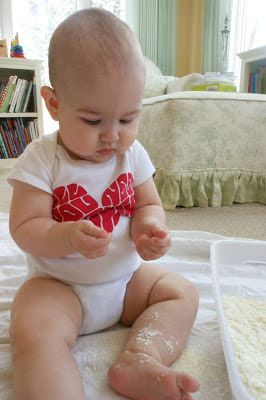
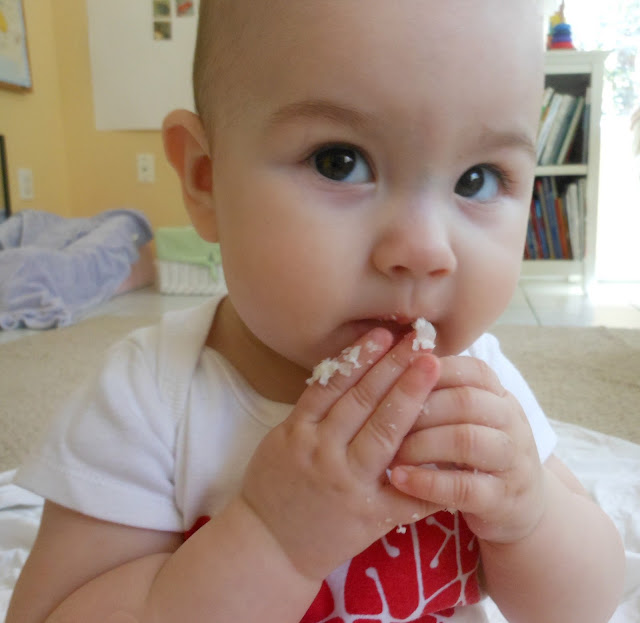
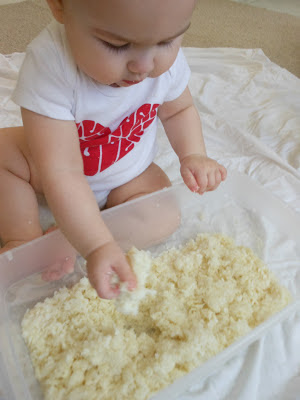
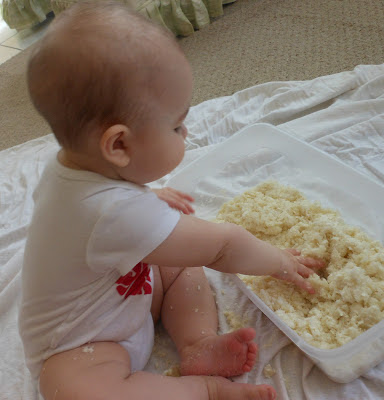
I’m sure Maria Montessori didn’t have instant potato, cereal, or noodles on her mind for sensory play, but we’ve come a long way, so why not? Here, you see Baby Bell exploring instant potatoes right out of the box. She is not fond of the texture but still feels it with her fingertips.
I added a little water to the mix, making it wet and squishy, and she loved it.
Baby and toddler sensory play is so much fun. I love to watch Bells explore the potato.
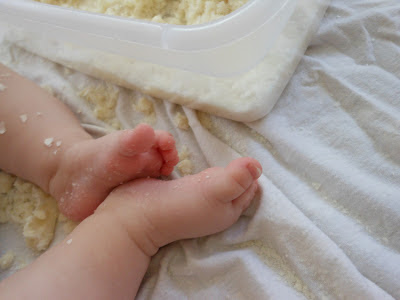
Just like us, babies use their senses by listening, seeing, touching, tasting, and smelling.
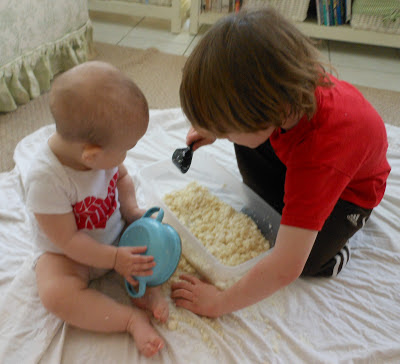
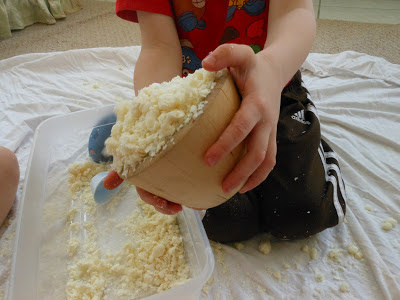
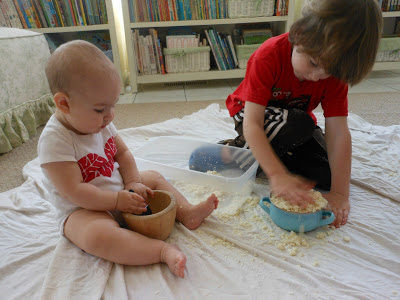
Add a few scoops, a bowl, and a brother for even more learning fun.
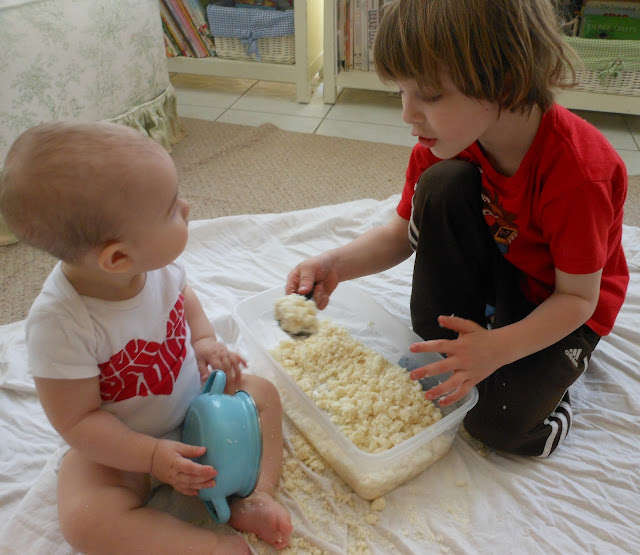
They work together… play together… learn together.
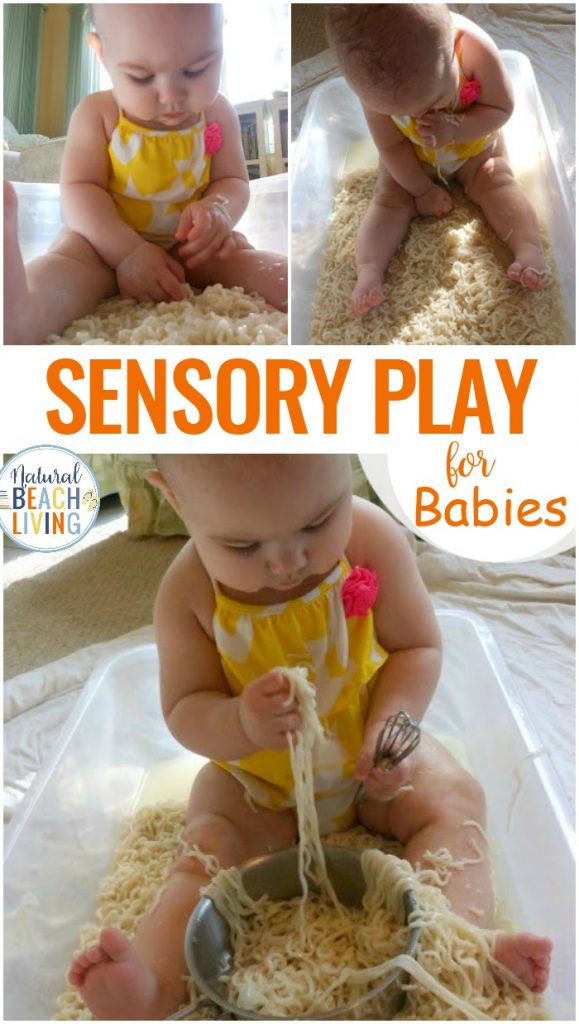
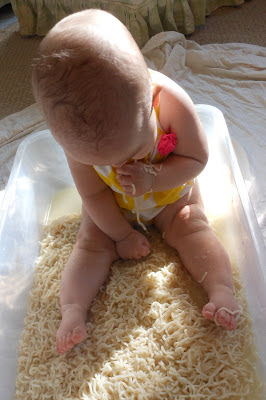
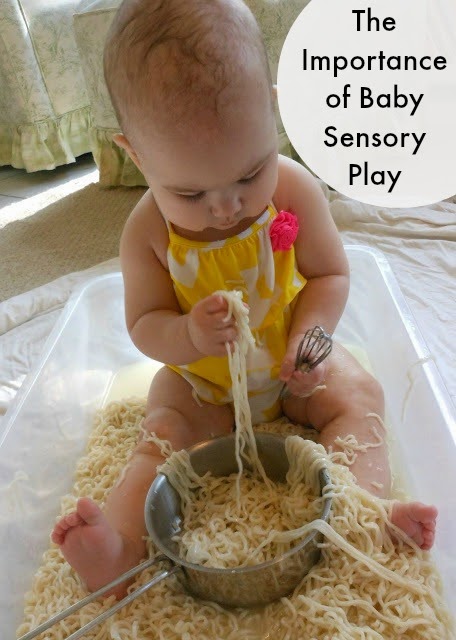
Noodles
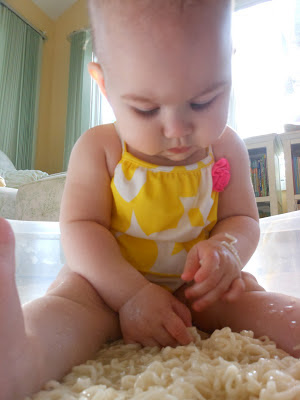
The wonderful smell of the noodles makes Baby Bell want to taste it. Sitting the baby in the sensory bin makes for much less mess and easy cleanup.
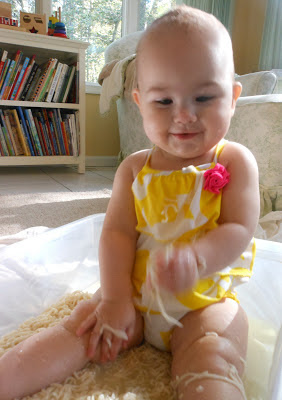
What baby doesn’t love the feel of warm and slippery noodles?!
The noodles squishing around her as she plays. This excites her and makes her so happy.
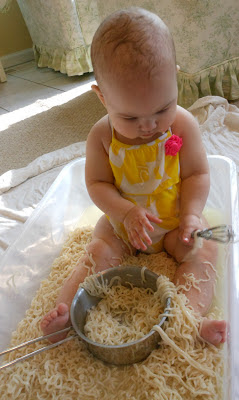
I added a cooking set to this edible sensory bin. She has had so much fun looking at the noodles in her hands. This Green Toys Chef Set is perfect, too, and it’s eco-friendly.
Montessori Baby Activities
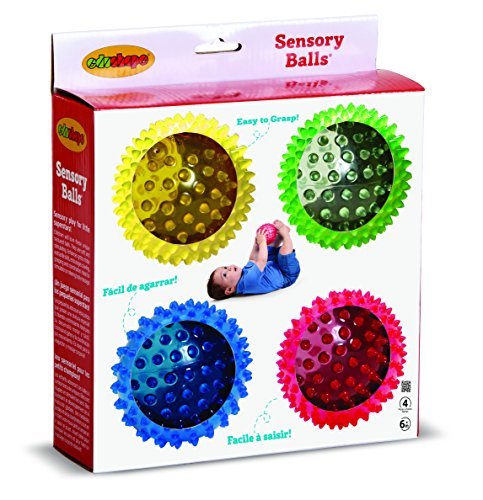
Montessori Sensory play ignites the senses in all of us, from a 3-month-old infant playing with sensory balls to an adolescent enjoying hands-on human anatomy activities. Use your imagination and let your children explore.
Looking for a few good books to help with purposeful playtime? I’ve enjoyed Exciting Sensory Bins for Curious Kids and 150 Screen Free Activities for Kids.
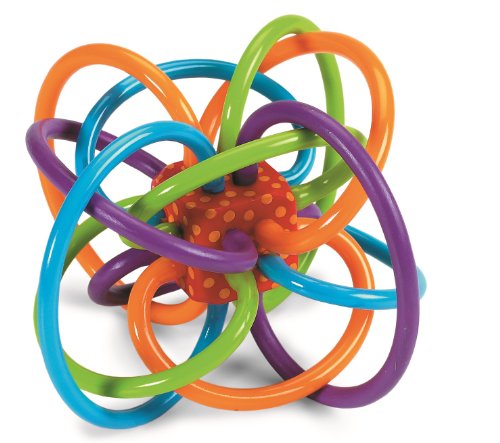
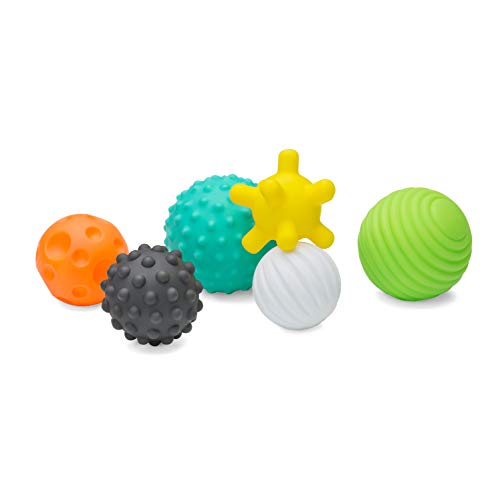
These Sensory balls are also a wonderful addition to any child’s sensory play area.
Are you interested in learning more about Montessori?
I have an entire section dedicated to Montessori activities. Here, you can find the Top 10 Must-Read books on Montessori learning and a 12 Months of Montessori Learning series.
If you would like other ideas for sensory play, I have shared several great homemade sensory ideas here. And edible sensory play for babies should be used after your baby has started solid foods – 6 months and up.
You Are Also Going to Love:
Studies have shown that if you really like this, you will also love the following articles. 🙂 I have pulled them together for you right here!
Montessori Sensory Activities ~ The Listening Walk (Free Printables)
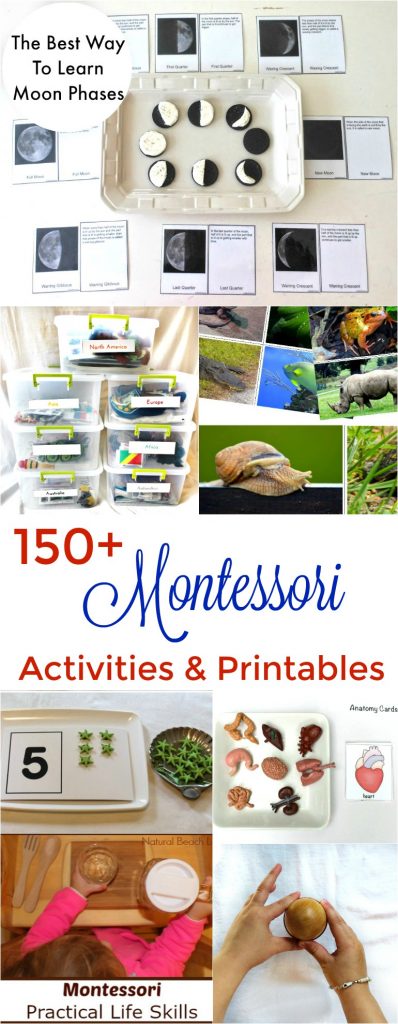
150+ Amazing Montessori Activities and Free Printables
DIY Spring Toddler Activities