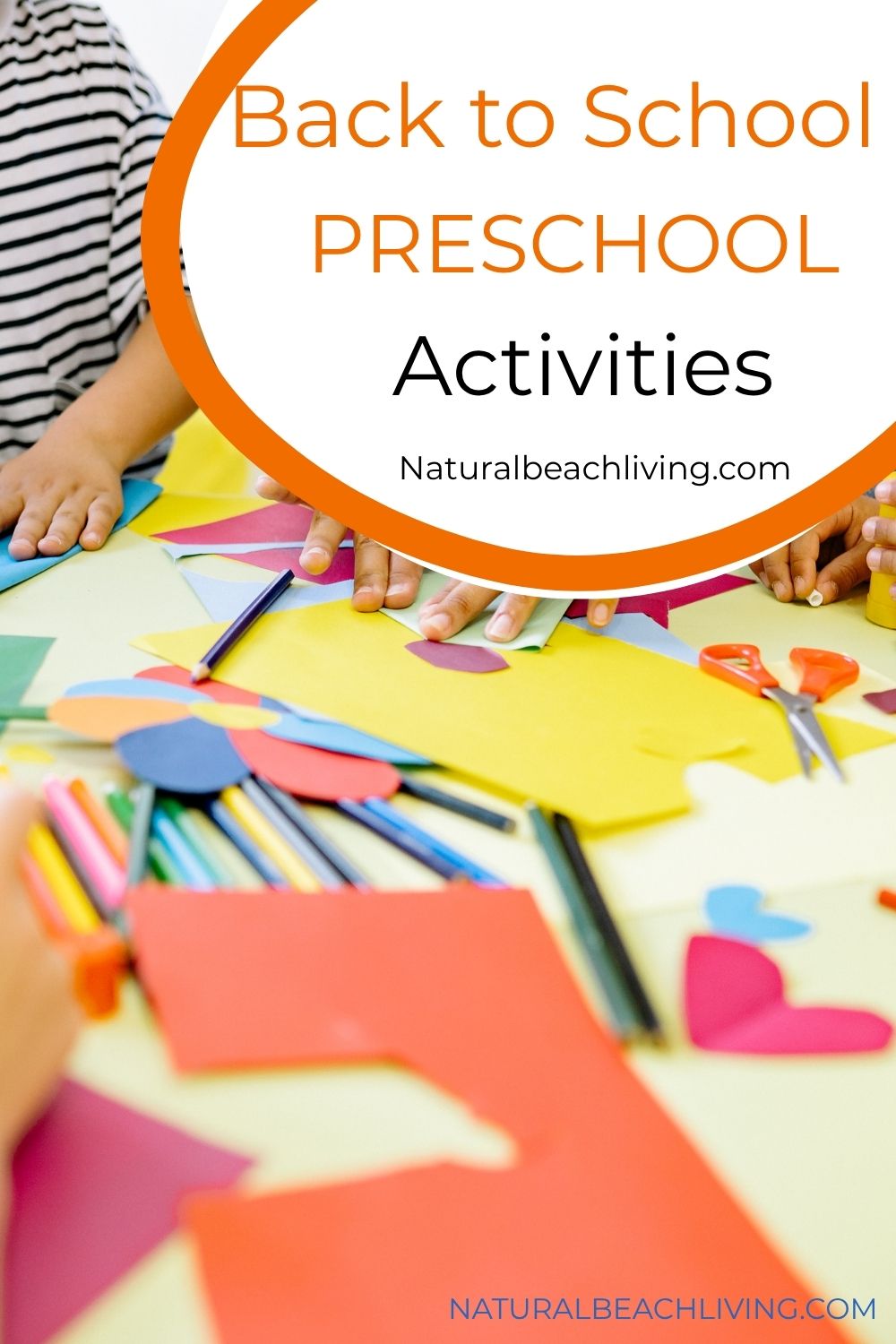
Back to School Preschool Activities
The first days of preschool can feel big for little kids. New faces, new rules, and a new room are a lot to take in at once. The best back to school preschool activities helps kids learn names, explore the classroom, and practice simple routines while they play.
Think name games, class books, apple crafts, and songs about lining up or raising your hand. These simple activities build friendships and give kids something fun to look forward to each morning.
Back to School Preschool Activities for a Happy First Week
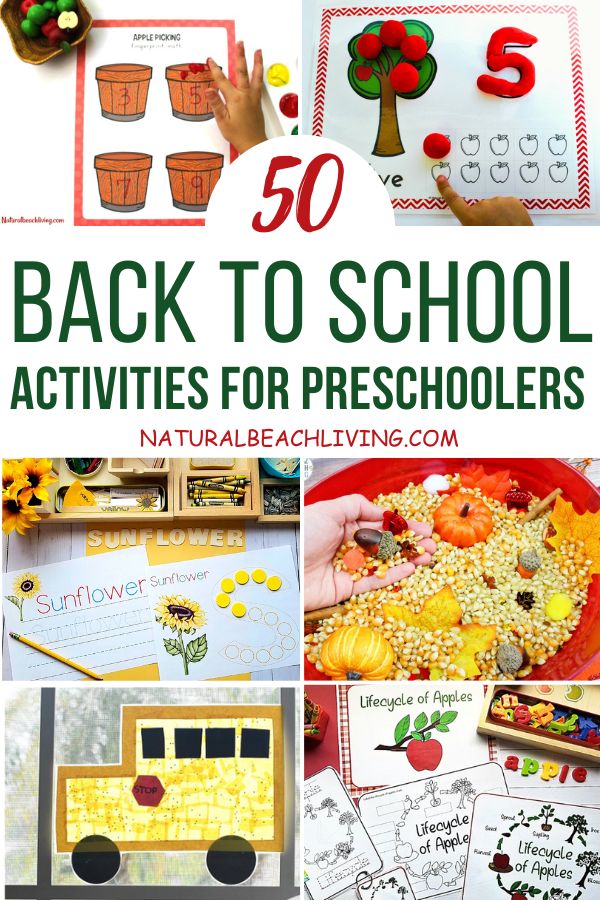
Below you’ll find ideas you can use for your back to school theme, from crafts and sensory bins to counting games and read-alouds. Pick a few that fit your group, and you’ll have the first day of preschool planned before you know it.
affiliate links can be found on this blog at no cost to you.
Start With Comfort, Connection, and Classroom Routines
The first weeks of preschool are about helping kids feel safe, learn each other’s names, and understand what happens next. When you build that foundation early, everything else, letters, numbers, and art projects, comes much easier.
Ease First-Day Jitters and Separation Anxiety
Most preschoolers will have a hard morning at some point, and that’s normal.
One of the simplest tools is a good book. The Kissing Hand by Audrey Penn is a classic for a reason, Chester Raccoon gets a kiss on his palm from his mom to carry with him all day. After reading it, let each child trace their hand on paper and press a heart sticker in the middle to take home.
Other first day of preschool books worth keeping nearby:
- Llama Llama Misses Mama by Anna Dewdney
- The Invisible String by Patrice Karst
- Owl Babies by Martin Waddell
A few other things that help:
- Keep goodbyes short and predictable, a hug, a wave at the window, then done
- Let families send a small photo for a “family board” kids can visit
- Have one easy activity ready at the door, like playdough or a bin of blocks
Some kids settle in five minutes. Others need two weeks. Both are fine.
Use All About Me and Name-Based Icebreakers
Names are the fastest way into a child’s world. Start there.
Make name tags on the first day and use them everywhere, cubbies, chairs, table spots, and the carpet. Children begin recognizing their own name in print before they can write it.
Easy name activities to try:
| Activity | What you need | Skill it builds |
|---|---|---|
| Name puzzle | Index card cut into letter pieces | Letter order |
| Rainbow name writing | Name traced in marker, kids trace over in colors | Name writing, fine motor |
| Sticker name | Name written large, kids place dot stickers on lines | Pincer grip |
| Name graph | Chart of how many letters each name has | Counting, comparing |
An all about me preschool unit fits perfectly here. Ask kids to bring a photo from home, then create a poster with their favorite color, food, and animal.
Self-expression matters more than neat handwriting right now. Let them draw a self-portrait with a mirror at the table and hang all of them together.
Teach Classroom Rules, Responsibility, and Social Skills
Preschoolers can’t follow rules they’ve never practiced. Show them, don’t just tell them.
Keep your classroom rules short, three or four is plenty. Try: Use gentle hands. Use walking feet. Use kind words. Clean up what you use. Pair each one with a photo of a real child in your class doing it.
Then act them out. Role-play what “sharing the blocks” looks like. Practice walking in line to the bathroom before you actually need to go.
Responsibility grows through small jobs. Post a helper chart with tasks like line leader, snack helper, light switcher, and door holder. Rotate weekly so everyone gets a turn.
For social skills and empathy, name feelings out loud all day. “Marcus looks sad — his tower fell.” Books like The Rabbit Listened by Cori Doerrfeld and Have You Filled a Bucket Today? by Carol McCloud give kids words for what they’re feeling.
Build a Welcoming Circle Time Routine
Circle time is the anchor of your day. Keep it the same every morning so kids know exactly what’s coming.
Hang a welcome banner with each child’s name above your carpet area. It signals that this spot belongs to them.
A simple 10-15 minute structure:
- Greeting song — sing each child’s name, one at a time
- Attendance — kids move their photo card to “I’m here”
- Calendar and weather — quick, just a minute or two
- Visual schedule review — point to picture cards showing what’s next
- Story or song — end with a back to school book or movement song
A visual schedule does a lot of quiet work. When a child asks “when is my mom coming?” you can point to the picture and say, “after outside time.”
Start with five minutes in early September and stretch it as attention spans grow. Sitting still is a skill they’re still building.
Hands-On Literacy and Fine Motor Invitations
The first weeks of school are a great time to mix letter learning with hands-on work that builds small hand muscles. Name activities, tracing pages, cutting practice, simple crafts, and story-based play all fit easily into morning tubs and centers.
Practice Names, Letters, and Alphabet Matching
Names are the best place to start. Print each child’s name in large letters, then let them cover the letters with pom-poms, mini erasers, or playdough balls.
Letter recognition grows fast when kids handle letters instead of just looking at them. Try these easy setups:
- Alphabet puzzles – match uppercase pieces to lowercase pieces
- Clothespin cards – clip the letter that starts a picture word
- Magnetic letters – build names on a cookie sheet
- Sticker names – place dot stickers on each letter of a printed name
Letter identification games also sneak in fine motor work. Squeezing a clothespin, pinching a sticker off the sheet, and picking up small magnets all strengthen the same fingers used for holding a pencil.
Keep it short at first. Five minutes at a tub is plenty for four-year-olds in September.
Set Up Tracing, Cutting, and School-Supply Stations
Back to school tracing pages help kids control a crayon before they try writing letters. Start with wide straight lines, then move to curves and zigzags.
Slide pages into reusable sleeves or laminate them. Kids can use dry-erase markers, wipe them clean, and try again.
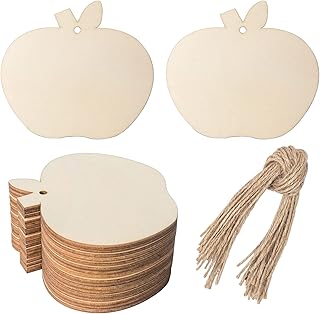
Cutting practice needs its own tray. Give beginners short snip strips, then move to straight lines, then curves around a backpack or apple shape.
Fill the stations with familiar school supplies so kids get comfortable with classroom tools:
| Station | What to Put Out |
|---|---|
| Tracing | Crayons, dry-erase markers, laminated line pages |
| Cutting | Child-safe scissors, snip strips, small bin for scraps |
| Punching | Single-hole punch, cardstock cards |
| Painting | Q-tips, washable paint, dot pages |
Show each tool in a small group before it goes out for independent use.





Make Meaningful Back-to-School Crafts
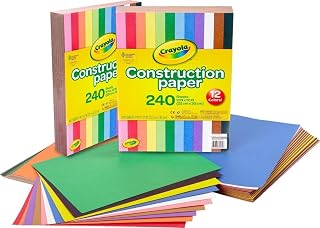
Back to school crafts give kids a reason to cut, glue, tear, and draw. A pencil craft works well early on, cut a long yellow rectangle, add a triangle tip and a pink eraser, then write the child’s name down the side.
A school bus craft is another favorite. Kids glue black circles for wheels, add square windows, and draw their own face in one window.
Tear art fits here too. Ripping colored paper into small pieces builds finger strength, and gluing the pieces onto a crayon or apple outline lets kids choose their own colors.
Leave room for creativity. Set out extra scraps, markers, and stickers so no two projects look the same.
Extend Learning With Stories and Dramatic Play
Books tie the whole theme together. If You Take a Mouse to School is a favorite for this age because the story follows a familiar routine kids can act out.
Good If You Take a Mouse to School activities include:
- Sequencing cards to retell the story in order
- A mouse-themed lunchbox sorting tray
- Drawing what the mouse would pack in a backpack
Set up a small “school” corner with a pretend backpack, name tags, notebooks, and a lunchbox with plastic food. Kids practice zipping, buttoning, and packing, all real fine motor work.
Add a clipboard and pencils so children can “take attendance” by copying classmate names. It’s writing practice that feels like play.
You can also add this If You Give A Mouse A Cookie Lesson Plan and Activities.
Playful Math Centers and Learning Games
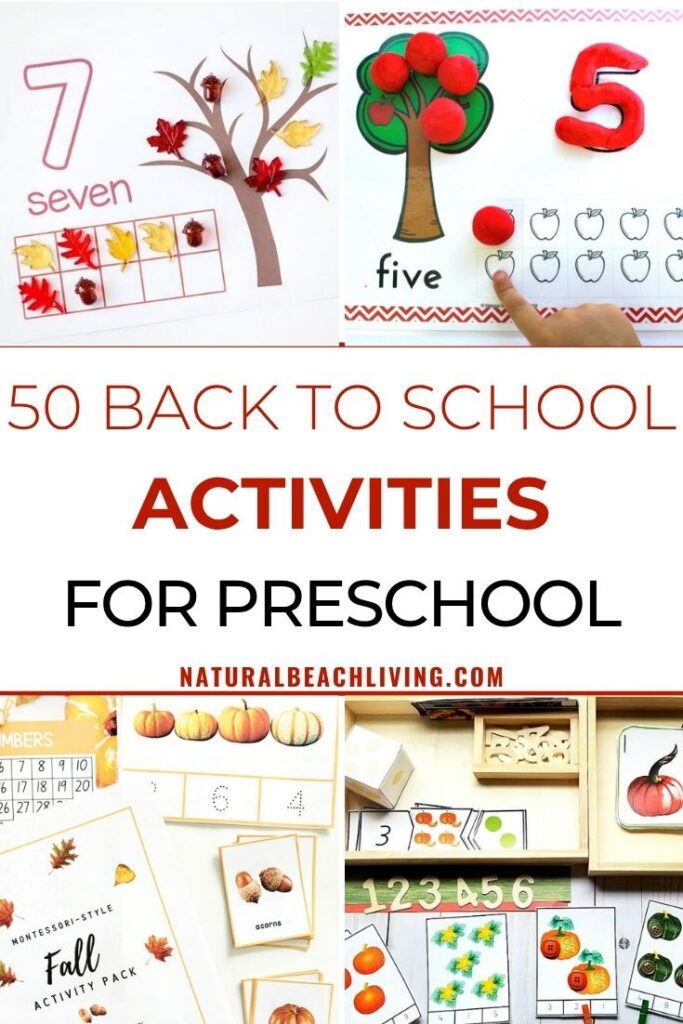
Math centers give your preschoolers short, hands-on ways to practice counting, number recognition, sorting, and patterns during the first weeks of school.
School-themed materials like backpacks, buses, crayons, and pencils make these skills feel fresh and familiar. Or make it seasonal fun activities and manipulatives.






Build Counting and Number Sense With School Themes
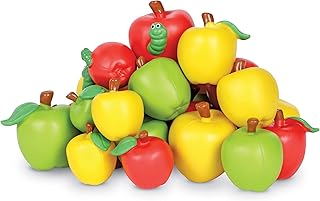
Counting activities work best when kids can touch and move the objects. Set out a bin of mini erasers shaped like pencils, apples, or backpacks and have children count out sets from 1 to 10.
Ten frame cards are another simple option. Print a card with a number in the corner, then let kids fill the frame with pom poms or bingo chips to match.
Counting puzzles pair a numeral with a picture set, like four children on a school bus. Your students match the pieces, which builds number identification and one-to-one counting at the same time.
Try these quick center ideas:
- Backpack count: Clip clothespins to a numbered paper backpack
- Crayon jars: Drop the right number of crayons into labeled cups
- Bus line-up: Order number cards 1–10 along a paper road
Explore Colors, Shapes, Sorting, and Patterns
Color sorting is a great starting point because most 3-year-olds already notice color before they notice quantity. Print mats in red, blue, yellow, green, and orange, then have kids sort school supply cards onto the matching mat.
Velcro dots keep the pieces in place and make the center reusable. Laminating the mats first helps them last all year.
For shapes, cut pencils, glue bottles, and notebooks into circles, squares, triangles, and rectangles for shape sorting trays. Talk about sides and corners as kids work.
Patterns come next. Line up two colors of crayons in an AB pattern and ask your students to copy it, then extend it. Once that clicks, move to ABB or ABC patterns with erasers or unifix cubes.
Use Printable Games for Independent or Small-Group Play
Back to school printables let you set up several centers quickly without buying new materials. A fun color by number pages reinforces number recognition while kids practice pencil control.
Back to school bingo works well with a small group of four to six. Call out numbers or shapes and let children cover the matching spot on their card with a mini eraser.
Keep a few back to school math worksheets on hand for early finishers, but pair them with something to move or count.
Preschoolers hold on to math skills better when the paper is only one part of the task.
Store each printable game in its own labeled zip bag or bin. That way children can pull one out on their own and put it back when they finish.
Plan a Flexible First-Week Activity Mix
The first week goes smoother when you have a loose plan instead of a strict schedule.
Pick simple activities you can swap around, adjust for different ages, and spread across the day so kids stay interested.
Choose Low-Prep Activities for Each Part of the Day
You don’t need hours of setup. Most back to school activities for preschoolers work fine with paper, crayons, scissors, glue, and a few items you already own.
Try matching one easy activity to each part of the day:
| Time of Day | Activity Idea | What You Need |
|---|---|---|
| Morning arrival | Name recognition cards or a name tracing page | Printed cards, marker |
| Circle time | “All About Me” sharing and a counting song | Nothing |
| Table time | Color by number school bus or cut-and-paste page | Back to school printables, crayons |
| After snack | Handprint art or Q-tip painting | Paint, paper, Q-tips |
| Outdoor time | Shape hunt on the playground | Chalk or picture cards |
Keep a folder of extra printables nearby. When an activity ends early, you’ll have something ready.
Adapt Activities for Different Preschool Skill Levels
Kids in the same room can be very different. One child writes her whole name. Another is still learning to hold a crayon.
Use the same activity, but change what you ask for:
- Name practice: Some kids trace dotted letters. Others match letter tiles. A few can write from memory.
- Counting: Start with numbers 1–5 for younger kids and stretch to 1–10 or 1–20 for kids who are ready.
- Cutting: Offer thick straight lines for beginners and curved shapes for kids with stronger fine motor skills.
- Coloring pages: Give large, simple pictures to some kids and detailed color-by-letter sheets to others.
This keeps everyone busy without anyone feeling behind. It also lets you quietly notice which skills need more practice later.
Balance Printables, Movement, Crafts, and Free Play
Worksheets have a place, but they shouldn’t fill the whole morning. Preschoolers sit for short stretches, then need to move.
A good daily mix looks something like this:
- 1–2 printables for letters, numbers, or shapes
- 2–3 movement breaks like animal walks, a bus-themed song, or a letter hunt around the room
- 1 craft that lets kids make their own choices about color and design, which builds creativity
- 20–30 minutes of free play at centers, where social skills like sharing and taking turns grow naturally
Rotate the order each day. If the class seems restless, drop a printable and add movement instead. Nobody will miss it.

Starting preschool is a big milestone, but with a little preparation and a lot of patience, that first month can become a time of joyful discovery rather than tears and stress.
Remember that every child adjusts at their own pace, so celebrate the small wins, a successful drop-off, a new friend’s name learned, or a favorite activity discovered.
By incorporating these simple activities into your routine, you’re not just easing the transition into preschool; you’re helping your little one build confidence, independence, and a genuine love for learning that will carry them through many school years to come.
Here’s to a happy, smooth, and memorable first month!
All About Me Activities for Preschool and Kindergarten

20+ September Preschool Themes with Lesson Plans and Activities

20+ October Preschool Themes with Lesson Plans and Activities
