
35+ Fall Science Project Ideas for Kids
Fall brings excellent chances to explore science with your kids through hands-on projects that use the season’s natural materials. The changing leaves, falling temperatures, and autumn harvest create perfect opportunities for learning about everything from plant biology to changes in the weather.
You can easily set up fall science projects using simple materials like apples, pumpkins, leaves, and cranberries to teach essential science concepts while keeping kids engaged. These seasonal experiments help children understand how nature works while having fun with familiar fall items.

Fall Science Project Ideas: Creative Experiments for Autumn
Whether you’re looking for quick classroom activities or weekend family projects, fall science experiments offer something for every age and interest level. You’ll discover that many of these projects use items you already have at home or can find at your local store, making science accessible and budget-friendly.
affiliate links can be found on this blog at no cost to you.

Fall Science Project Ideas
These experiments allow kids to explore autumn science through hands-on activities that reveal hidden leaf colors, create exciting chemical reactions, and discover how plants disperse their seeds.
Leaf Chromatography Experiment
You can uncover the hidden colors in fall leaves using this simple chromatography technique. This experiment shows why leaves change colors during autumn.
Materials you need:
- Fresh green leaves (spinach works great)
- Coffee filters
- Rubbing alcohol
- Clear plastic cups
- Pencils
Cut coffee filters into strips about 1 inch wide. Tape one end to a pencil so it hangs into your cup.
Crush fresh leaves at the bottom of the strip. This releases the pigments you want to separate.
Pour rubbing alcohol into the cup until it touches the bottom of the filter strip. The alcohol will climb up the paper and separate the different colored pigments.
What happens: Green chlorophyll moves slower than other pigments. You’ll see yellow, orange, and red colors appear as they travel up the paper at different speeds.
This experiment explains why leaves turn beautiful colors in fall when chlorophyll breaks down.
Pumpkin Volcano
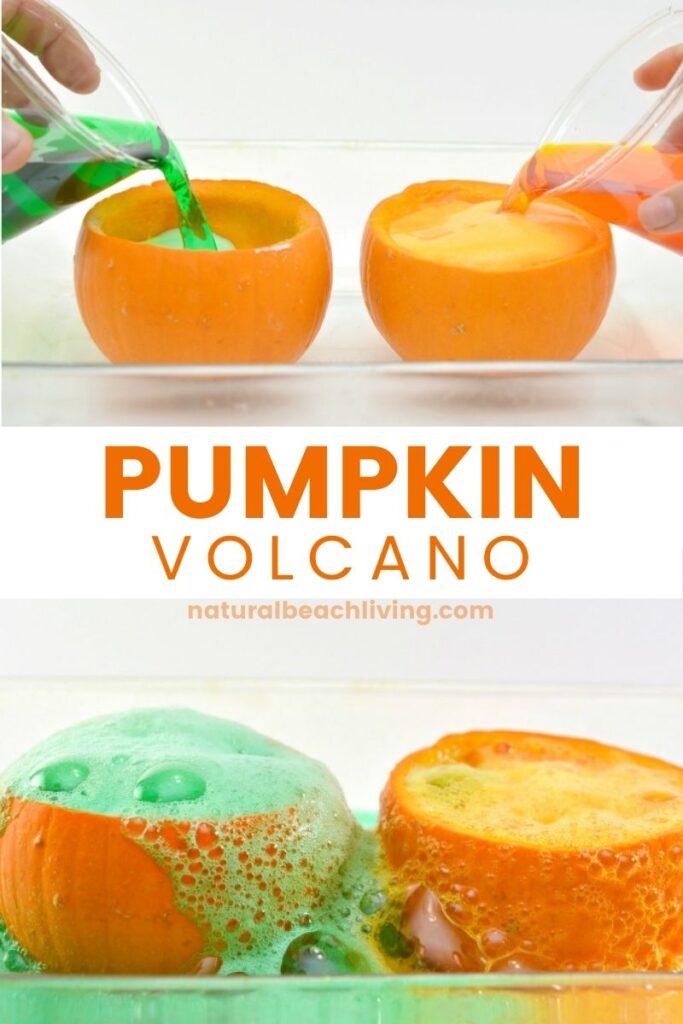
Transform a pumpkin into an exciting volcano that demonstrates chemical reactions. This project combines autumn themes with classic baking soda science.
The reaction creates carbon dioxide gas that bubbles up and flows over the sides.
Safety tips: Do this experiment outside or in a deep tray. The reaction is safe but messy.
Try different amounts of vinegar to control how big your eruption gets. You can also add dish soap to make more foam.
Science behind it: When baking soda (base) meets vinegar (acid), they create a chemical reaction. This produces carbon dioxide gas, which causes the mixture to bubble and foam.
Pumpkin Science Activities

20 Pumpkin Science Experiments for Kids
Seed Dispersal Activities
Discover how plants spread their seeds using different methods found in nature during fall season.
Wind dispersal experiment: Collect maple seeds (helicopters) and dandelion seeds. Drop them from the same height and at the same time, and see how long they stay in the air.
Create your own seed models using paper and tape. Create some with wings, like maple seeds, and others with fluffy parts, like dandelion seeds.
Animal dispersal study: Look for seeds with hooks or sticky parts that attach to animal fur. Burdock burrs are perfect examples you can find in the fall.
Explosion method: Gently touch ripe jewelweed pods and watch them pop open. The seeds shoot out when the pod explodes.
Water dispersal: Float different seeds in water to see which ones can travel by streams and rivers.
Record your observations about which dispersal methods work best in different conditions.

Autumn Themed Experiments and Activities
Fall brings natural science lessons right to your backyard through colorful leaves, seasonal changes, and hands-on discovery opportunities. You can create memorable learning experiences using simple materials and the natural classroom of autumn.
Leaf Rubbings and Nature Art
Leaf rubbings turn science observation into creative art projects. You place paper over different leaves and rub crayons or colored pencils across the surface to reveal leaf patterns.
Collect leaves from different trees to compare shapes and textures. Oak leaves have rounded edges while maple leaves show pointed tips. You can study leaf veins and edges through your rubbings.
Use a magnifying glass to examine leaf details before making rubbings. Look for tiny holes, smooth spots, or rough areas. These features show up clearly in your final artwork.
Create a leaf identification chart using your rubbings. Write the tree name under each rubbing. You can also sort leaves by size, shape, or color patterns.
Try making rubbings with different materials like chalk, markers, or paint sticks. Each tool creates unique textures and colors.
25+ Leaf Science Experiments Activities and Sensory Ideas

Hands-On Fall STEM Activities
Fall STEM activities combine science learning with seasonal fun. Pumpkin science experiments teach about density, weight, and plant parts. You can predict whether pumpkins float or sink in water.
Apple oxidation experiments show chemical changes. Cut apple slices and treat some with lemon juice. Compare how quickly different pieces turn brown.
Seed dispersal activities use maple helicopter seeds. Drop them from different heights and measure how far they travel. Wind helps seeds spread to new growing spots.
Halloween science experiments add spooky fun to learning. Make orange pumpkin slime or create fizzing pumpkins with baking soda and vinegar reactions.
Build structures using acorns, pinecones, and twigs. Test which designs hold the most weight. Natural materials teach engineering concepts.





Fall Scavenger Hunt
Scavenger hunts turn nature walks into exciting discovery missions. Create lists of autumn items for kids to find outdoors. Include red leaves, smooth stones, or feathers.
Use your magnifying glass to examine found treasures closely. Look at bark patterns, seed shapes, or insect homes. Small details become big discoveries.
Make seasonal games and activities with pictures instead of numbers. Kids mark off items as they spot them in nature. This works well for younger children who cannot read yet.
Create sorting challenges during hunts. Find five different leaf shapes or three types of seeds. Sorting builds classification skills.
Take photos of discoveries that cannot be collected. Bird nests, spider webs, or fungi stay in nature while kids record their findings.

Fall Science Experiments for Kids
- Salt Crystal Leaves Fall Stem Science from livingwellmom.com
- Apple Science Experiment from coffeecupsandcrayons.com
- Salt Crystal Leaves Science Experiment from littlebinsforlittlehands.com
- Parts Of A Pumpkin Density Column Experiment from schoolingamonkey.com
- Building Structures With Candy Pumpkins from lemonlimeadventures.com
- Easy Fall Leaf Science Experiment from alittlepinchofperfect.com
- Fungus Investigation Fall Stem from rainydaymum.co.uk
- Falling Leaf Art And Science from fantasticfunandlearning.com
- Pumpkin Elephant Toothpaste Experiment from hellowonderful.co
- Exploring The Inside Of An Apple from buggyandbuddy.com
- Fall Math And Science Center For Preschoolers from stayathomeeducator.com
- Fall Slime Science Activity from raisinglifelonglearners.com
- Free Fall Science Worksheets For Kids from reallifeathome.com
- Why Do Apples Turn Brown from leftbraincraftbrain.com
- Erupting Apple Science from littlebinsforlittlehands.com
- Corn And Popcorn Fall Science from alittlepinchofperfect.com
- Super Fun Fall Sink Or Float Science Experiment from lemonlimeadventures.com
- Autumn Colours Plant Science For Preschoolers from rainydaymum.co.uk
- Make Sparkly Salt Crystal Pumpkins from schoolingamonkey.com
26+ Fall Outdoor Activities for Kids
