
How to Plan Five in a Row for Successful Homeschooling
One thing I’ve learned in all of my years of teaching and homeschooling is everyone plans differently. Everyone has their own way of organizing and making things work for themselves. But over the years I’ve also learned that seeing how other moms plan, has helped me tweak my ways and make our days run smoothly. So, today I want to share how to plan Five in a Row for successful homeschooling.
Five in a Row Curriculum

How to Plan Five in a Row for Successful Homeschooling
Five in a Row (FIAR) has become a beloved homeschooling method for good reason, it transforms simple picture books into rich, multi-subject learning experiences that children genuinely look forward to.
Rather than relying on traditional textbooks and worksheets, this literature-based curriculum invites families to read the same carefully selected story for five consecutive days, diving deeper each time into different subjects like geography, science, math, art, and character development.
The concept is straightforward, but, thoughtful planning will help to avoid burnout, keep lessons engaging, and ensure your children are truly absorbing the material rather than just hearing the same story on repeat.
Whether you’re new to FIAR or looking to refine your current approach, this guide will walk you through practical strategies for scheduling your rows, selecting supplemental activities, organizing materials, and adapting the curriculum to fit your unique homeschool rhythm, so you can make the most of this delightful, low-stress teaching method.

Practical Strategies for Making FIAR Work in Your Homeschool
Scheduling Your Rows
One of the biggest myths about Five in a Row is that you have to read the book five days in a row, cover to cover, every single time. Give yourself permission to let go of that picture right now! Life happens, sick days, field trips, that one morning everyone wakes up cranky, and FIAR is flexible enough to bend with you.
A simple approach that works well for many families: read the book in full on day one, then on days two through five, read just a few pages or a short excerpt before diving into that day’s subject-specific discussion. This keeps things fresh instead of feeling repetitive, especially for older kids or strong readers who might get restless hearing the same story word-for-word five times.
When we row a book, we would spend two weeks on it and read the book on and off throughout the two weeks, while incorporating hands on learning activities.
If your family thrives on routine, consider assigning each day a “theme” that stays consistent, like:
- Monday: Geography
- Tuesday: Language Arts
- Wednesday: Math or Science
- Thursday: Art or Music
- Friday: Character Development or a wrap-up activity/project
This way, everyone knows what to expect, and you can prep materials the night before without scrambling.
Also, don’t feel obligated to cover every single subject suggestion in the manual for every book. Some stories naturally lend themselves to rich science discussions, while others are goldmines for social studies.
Pick and choose based on what excites your kids and what fits your week.
Quality over quantity always wins here.
Selecting Supplemental FIAR Activities
The activity guides are wonderful, but they’re a starting point, not a mandatory checklist. Here’s how to choose wisely without overwhelming yourself:
Follow your child’s curiosity. If your daughter becomes obsessed with lighthouses after reading Hello Lighthouse, let that spark guide you toward related library books, a lighthouse coloring page, or even a simple diagram of how they work, even if it’s not in the manual.
Match activities to your available time and energy. Some weeks you’ll have the bandwidth for an elaborate baking project or nature walk. Other weeks, a simple worksheet or coloring page tied to the story is enough, and that’s perfectly okay. FIAR isn’t about Pinterest-perfect execution; it’s about connection and learning.
Rotate activity types across the week so you’re not doing all “sit down and write” tasks or all “messy craft” tasks back to back. Balance is key to keeping young learners engaged without burnout (yours or theirs!).
Go outside for nature walks, go on a field trip that relates to your book, have a picnic and read outside.
Keep a running list of go-to activities that work for your family regardless of the book, things like a sketchbook, narration, simple map work, or read-aloud journaling. Having these “staples” on hand means you’re never starting from scratch each week.
Organizing Homeschool Materials
A little organization goes a long way in making FIAR sustainable long-term. Here are a few tried-and-true methods:
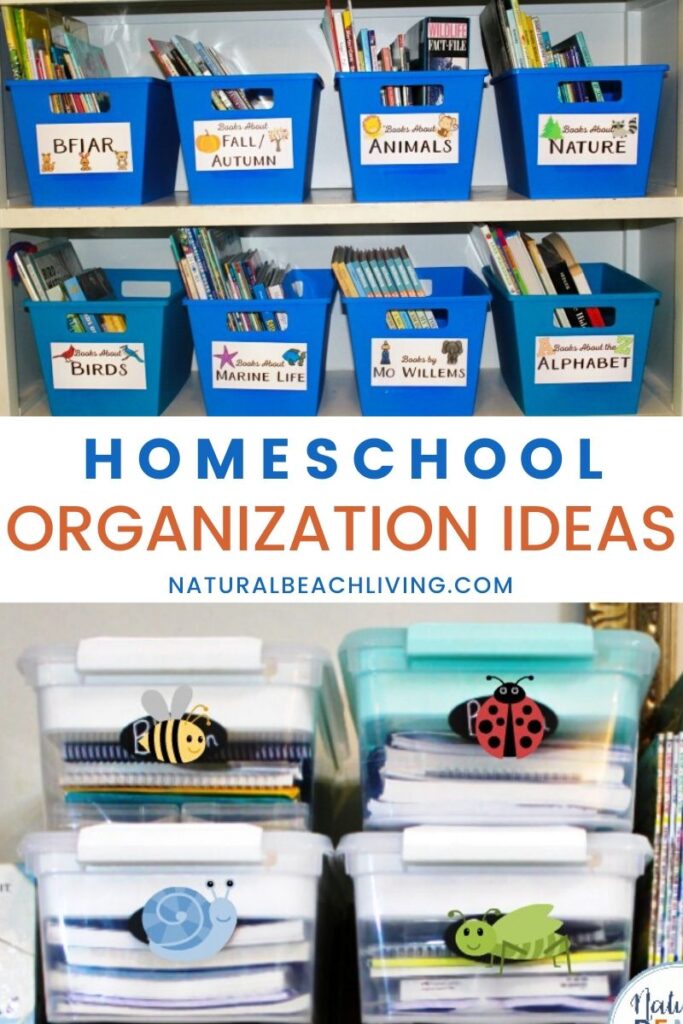
Create a book bin or shelf dedicated to your current rotation of FIAR titles, along with any supplemental library books you’ve gathered for that week’s story.
Use a simple binder or folder system for printables, divided by volume (FIAR, Beyond FIAR, etc.) so you’re not hunting through files when it’s time to prep.
Keep an all-in-one supply basket with basics like colored pencils, glue, safety scissors, and blank paper so you can grab-and-go without interrupting the flow of your lesson to search for supplies.
Consider a simple planning folder, notebook or digital doc where you jot down which subjects you covered for each book, what worked, and what didn’t. This becomes an invaluable resource if you ever reuse titles with younger siblings down the road.
You can grab your free FIAR and BFIAR planning pages below.
Adapting FIAR to Your Homeschool Rhythm
This is where FIAR truly shines, it’s meant to flex around your life, not the other way around.
If you have multiple ages, don’t feel like you need separate rows for each child. Many families successfully combine siblings by adjusting the depth of discussion (older kids get more challenging follow-up questions or independent research, younger children get simpler versions of the same concepts).
With five kids we always had fun and had multiple ages homeschooling together.
If your week gets interrupted, simply pick back up where you left off, even if that means stretching one book over 14 days instead of five. There’s no wrong way to homeschool with FIAR.
If a particular book isn’t working well with your kids, it’s okay to set it aside and choose a different title. Not every story will resonate with every child, and that’s a completely normal part of the homeschooling journey.
But I do think all of the FIAR books are wonderful and it’s good for children to hear an assortment of storybooks.
If you’re naturally more relaxed or unschool-leaning, you might let your child’s interests drive which subjects get more attention each week rather than following a strict rotation.
Conversely, if you crave more structure, feel free to create detailed weekly checklists or even a loose “workbox” system to keep things organized and predictable.
You can see below how I planned a workbox and folder system that works great for us. I hope this helps you in planning and having a peaceful and fun homeschool year.
At the end of the day, Five in a Row works best when it feels like a rhythm your family enjoys, not another box to check off.
Give yourself grace, stay flexible, and trust that the read-aloud time, discussions, and hands-on activities are building a love of learning that will stick with your children far longer than any worksheet ever could.



Homeschool Planning with Five in a Row
Successful homeschooling can mean different things, today I’m feeling organized and everything’s running smoothly. And don’t we all want our days to be happy and go accordingly to plan?
Don’t get me wrong I’m not saying every day will be perfect. I’m saying everyone benefits from the organization and a daily rhythm.
If you’re interested you can see Our Daily Homeschool Schedule here.
If you notice in the above picture when I do my planning, it’s pretty loose. More like bullet journaling to start. I jot down supplies I think I will need and activities that go well with the book we are rowing.
With the other planning pages, I go into a little more detail. I’m not one to stick with the plan 100% of the time. If my kids want to do more one day or seem tired another I just adjust our week so it works for us.

Here’s an easy way to plan Five in a Row Curriculum (and BFIAR)
Purchase inexpensive folders to store everything for your row. I purchase a different color folder for each of the BFIAR/FIAR volumes. So, I know all of my blue folders are FIAR Volume 1, My green is BFIAR and so on. You could also use different colors for themes or months.
What to store in the folder:
Printables, planning pages, recipes and of course your book.

The picture above is an example of our How to Make an Apple Pie and See the World planning folder.
Free Printables can be found here: Apple and Transportation.
See our Row of How to Make an Apple Pie and See the World Here.
Here’s a Quick Way to Plan for Five in a Row & Before Five in a Row

Purchase containers or baskets (I prefer containers with a lid because they stack nicely) and place everything you’ll need for your row in the container.
Try to get at least six-eight of these done ahead of time so the planning is done and everything is ready. My goal every year is to get all of our rows for the year organized ahead of time (except food and sensory that needs to be done that week).
It takes a little bit of time at the beginning of the year to do this, but what a difference it makes throughout the year. You can sit back and enjoy the activities without all of the worries of gathering everything at the last minute. And I totally have been there before. It’s not fun 😉
Feel free to leave us comments on how you plan and what you are rowing this year. I love hearing about your ideas. We will continue to share our BFAIR and FIAR Rows this year. You can sign up for our weekly newsletter so you don’t miss anything.
Click on the Links Below for your Free Planning Pages and Homeschooling Ideas

DOWNLOAD YOUR BEFORE FIVE IN A ROW PRINTABLES Below
CLICK HERE: BFIAR Planning Pages

DOWNLOAD YOUR FIVE IN A ROW PRINTABLES BELOW:
CLICK Here: FIAR Planning Pages
You can see The Best Homeschool Essentials Here. These items make my life and homeschooling so much easier.


FIAR AND BFIAR IDEAS
Mason Bee Habitat – The Bee Tree Activities

Blueberries for Sale Activities

Goodnight Moon Storytelling Basket


Night of the Moonjellies FIAR Activities Part 1 and Part 2
