Turkey Lapbook for Kids
Learning about turkeys can be exciting and fun for kids, especially during the Thanksgiving season. A turkey lapbook offers the perfect way to combine hands-on crafting with educational content that teaches children about these fascinating birds.

Turkey Lapbook for Kids
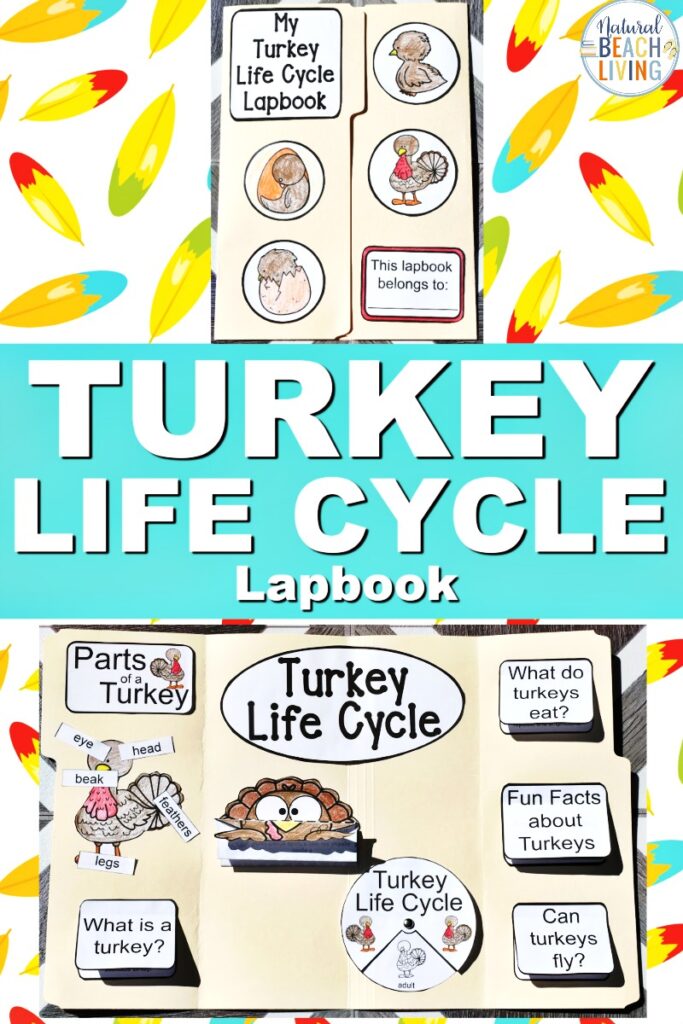
A turkey lapbook is an interactive, foldable mini-book that helps kids learn about turkey anatomy, life cycles, and interesting facts through creative activities and games. Your child will cut, color, and assemble different elements while discovering how turkeys grow, what body parts help them survive, and amazing facts about their behavior.
Fun Hands-On Thanksgiving Learning
This engaging project is ideal for elementary students, effectively combining science learning with holiday themes.
You’ll find ideas for exploring turkey life cycles, fun activities to keep kids interested, and ways to expand the learning beyond just the lapbook itself.
affiliate links can be found on this blog at no cost to you.
What Is a Turkey Lapbook?
A turkey lapbook is an interactive, foldable mini-book that combines art, science, and hands-on learning about turkeys. These educational tools help kids explore turkey anatomy, life cycles, and fun facts while creating something they can keep and share.
Purpose and Benefits
Turkey lapbooks blend creativity with education in a fun way. You can use them to teach your kids about turkey life cycles, body parts, and interesting facts.
These activities work great for different learning styles. Children who learn best by doing things with their hands enjoy activities such as cutting, coloring, and building their lapbooks.
Lapbooks help kids remember what they learn better than just reading from a book. When children create something themselves, the information sticks in their minds longer.
You can use turkey lapbooks during the Thanksgiving season or at any time. They make learning about animals and science more exciting than worksheets.
Both teachers and parents find these projects helpful. Children stay engaged and focused while learning essential science concepts, including life cycles and animal anatomy.
Materials Needed
You don’t need expensive supplies to make a turkey lapbook. Most items are likely things you already have at home.
Here’s what you’ll need:
- Printable templates (downloads below)
- Scissors for cutting out pieces
- Glue stick or tape
- Crayons, markers, or colored pencils
- File folder or large construction paper for the base
Some families like to use cardstock instead of regular paper. This makes the lapbook stronger and last longer.
You might also want a stapler for some parts. But tape and glue work just as well.
How Lapbooks Work
Lapbooks start with a file folder that opens like a book. You glue different activities and learning pieces inside the folder.
Kids cut out shapes, wheels, and flaps from the printed templates. Then they color and decorate each piece before gluing it in place.
The turkey lapbook might have a life cycle activity. It could also have flaps that lift up to show turkey body parts underneath.
Some sections have pockets where kids sort facts about turkeys. Others have writing spaces where children can answer questions or tell stories.
When finished, the lapbook becomes a personal learning book. Kids can open it up and review what they learned about turkeys anytime.
Free Turkey Lapbook
Setting up your turkey lapbook requires the right templates and organizing your supplies. These two steps will make the creation process smooth and enjoyable for kids.
Using Turkey Templates and Printables
Turkey lapbook templates give you everything needed to create an educational project. Most templates include coloring pages, flip sections, and interactive parts that teach about turkeys.
Look for templates that have turkey life cycle activities to help kids learn about eggs, chicks, poults, and adult turkeys.
Templates included:
- Turkey facts
- Body part labeling activities
- Life cycle diagrams
- Turkey writing pages
- Turkey Craft
Print templates on regular paper or light cardstock. Cardstock works better for pieces that get handled often.
Organizing Materials
Gather all your supplies before starting your turkey lapbook. This saves time and keeps kids focused on learning, rather than searching for materials.
Basic supplies you need:
- File folder or large paper for the base
- Scissors (adult supervision required)
- Glue sticks or liquid glue
- Colored pencils or crayons
- Printed templates
Set up a workspace for your kids and lay out all materials where they can reach them easily.
Sort templates by activity type. Put all coloring pages together and all cut-out pieces in another pile.
Lapbooks work best when materials stay organized throughout the project. Use small bowls or plates to hold cut pieces until you’re ready to glue them.
Turkey Lapbook Printable

Learning About Turkeys
Turkeys are remarkable birds with distinctive body parts and behaviors that enable them to thrive in the wild. These birds inhabit specific habitats and possess unique characteristics that distinguish them from other animals.
Turkey Facts
Turkeys are large birds that can weigh up to 24 pounds when fully grown. Wild turkeys are much smaller than the farm turkeys you might see at Thanksgiving.
Male turkeys are called toms or gobblers. Female turkeys are called hens. Baby turkeys have the cute name poults.
Turkeys can fly short distances even though they look heavy. They fly up to trees to sleep at night where they stay safe from danger.
Wild turkeys can run fast too. They reach speeds up to 25 miles per hour. This helps them escape from animals that want to catch them.
Turkeys eat many different foods. They like seeds, nuts, insects, and small lizards. They use their strong beaks to find food on the ground.
Parts of a Turkey
A turkey’s body has special parts that help it live and stay safe. Each part does an important job for the bird.
The beak is hard and pointed. Turkeys use it to pick up food and explore their surroundings.
Wattles are the red flaps of skin that hang from a turkey’s neck. The snood is the red piece that hangs over the beak. These parts change color based on how the turkey feels.
A turkey’s wings are strong but not made for long flights. They help turkeys fly up to tree branches and escape danger quickly.
Tail feathers spread out like a fan. Male turkeys show off their tail feathers to attract female turkeys.
Their feet have sharp claws called talons. These help turkeys grip tree branches and scratch the ground for food.

Turkey Habitats
Wild turkeys live in forests and grasslands across North America. They need trees for shelter and open areas for foraging.
Forests give turkeys protection. The trees provide safe places to roost at night. Turkeys fly up high where predators cannot reach them.
Open meadows and fields provide numerous food sources. Turkeys can find seeds, berries, and insects in these areas.
Turkeys also need water sources nearby. They drink from streams, ponds, and rivers to stay healthy.
Different seasons mean different homes. In winter, turkeys stay in thick forests for warmth. During spring and summer, they move to areas with more food.
Farm turkeys live in different places from wild ones. They stay in barns and fenced areas where farmers take care of them.
Exploring the Turkey Life Cycle
Learning about how turkeys grow from tiny eggs into full-grown birds helps kids understand animal development. Interactive activities, such as spinning wheels and creative writing, make this science topic fun and memorable.
From Egg to Adult
The turkey life cycle starts when a female turkey lays her eggs in a nest on the ground. She sits on the eggs for about 28 days to keep them warm.
Baby turkeys, called poults, hatch from the eggs. They have soft, fuzzy feathers and can walk right away. The poults stay close to their mother for protection.
Young turkeys grow quickly and develop their adult feathers. They learn to find food like seeds, insects, and small plants. Their beaks help them pick up different types of food.
Adult turkeys can weigh up to 25 pounds. Male turkeys are called toms and have colorful tail feathers. Female turkeys are called hens and are smaller than males.

If I Was a Turkey Writing Worksheet
This creative writing activity lets kids imagine life as a turkey. The worksheet gives fun prompts to get their ideas flowing.
Kids can write about where they would live if they were a turkey. They might choose forests, grasslands, or farmyards. Each habitat offers different types of food and hiding spots.
Students can draw pictures to go with their writing. This combines art with learning about turkey behavior and needs.
Learning About Turkeys

Integrating Thanksgiving Themes
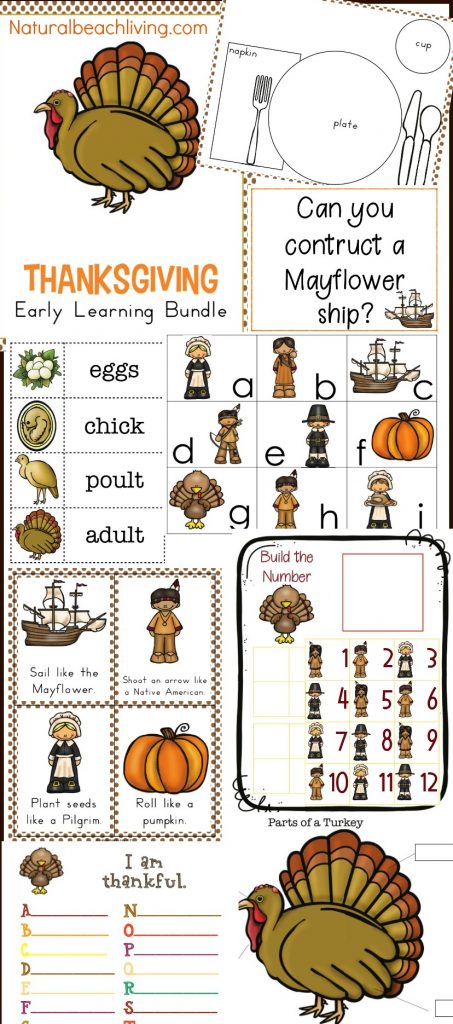
Turkey lapbooks work perfectly with broader Thanksgiving lessons that teach kids about history and traditions. You can add elements that explore the first Thanksgiving and connect science learning with holiday celebrations.
Thanksgiving Lapbook Elements
Your turkey lapbook becomes more educational when you add Thanksgiving-themed sections. These elements help kids understand the holiday’s meaning beyond just the turkey dinner.
Add a gratitude section where kids write what they’re thankful for. This teaches the true spirit of Thanksgiving. You can include small pockets or flaps for gratitude notes.
Create a Thanksgiving flap that shows various ways families celebrate the holiday. Kids can draw or write about their own family traditions. This helps them connect personal experiences to the holiday.
Add a Thanksgiving food section that goes beyond turkey. Kids can learn about corn, pumpkins, and other foods from the first harvest feast. This connects to the turkey’s role in the meal.
Use vocabulary pockets for Thanksgiving words like harvest, gratitude, and feast. These help build holiday-related language skills while working on the lapbook.
Fun Turkey Lapbook Activities
Turkey lapbooks offer hands-on learning through vocabulary cards, math games, and creative writing activities. These interactive elements help kids learn about turkeys while practicing important school skills at home.
Turkey Vocabulary Cards
Vocabulary cards turn learning turkey words into a fun game. You can create cards with turkey body parts like wattles, snood, and caruncles. Kids match the words to pictures or definitions.
Make cards for turkey behaviors, too. Words like “strutting,” “gobbling,” and “roosting” help kids understand how turkeys act. You can use these cards for memory games or sorting activities.
Turkey habitat words work great for homeschool activities. Include terms like “woodland,” “roost,” and “flock” on your cards. Kids can group cards by categories like body parts, sounds, or homes.
Create action cards where kids act out turkey movements. This makes learning active and fun. Cards can show “spread tail feathers” or “scratch for food.”
Turkey Counting and Math Games
Math games using turkey themes make numbers exciting. You can count turkey feathers, eggs, or food items. Start with simple counting for younger kids.
Feather counting games work well for basic math. Draw turkeys with different numbers of tail feathers. Kids count and write the numbers. You can add or subtract feathers for older children.
Turkey egg problems help with word problems. Ask questions like “If a hen lays 12 eggs and 8 hatch, how many babies are there?” This connects math to real turkey facts.
Pattern activities using turkey colors engage visual learners. Create patterns with brown, black, and white turkey feathers. Kids continue the patterns or make their own.
Measurement activities work great, too. Compare turkey sizes or measure how far they can “fly.” These hands-on math games fit perfectly into homeschool activities.
Creative Writing Prompts
Writing prompts spark imagination while teaching about turkeys. Start with simple prompts like “If I were a turkey, I would…” This gets kids thinking from a turkey’s point of view.
Story starters help kids write turkey adventures. Try prompts like “The turkey escaped from the farm and…” or “A wild turkey family moved to our backyard.” These create exciting stories.
Descriptive writing works well with turkey topics. Ask kids to describe what turkeys look like, sound like, or how they move. This builds vocabulary and observation skills.
Journal entries from a turkey’s perspective make writing personal. Kids can write about a day in the life of a turkey. They might describe finding food or hiding from predators.
Fact-based writing prompts combine research with creativity. Kids can write about turkey habitats, baby turkeys, or why turkeys are important to people.
Expanding Learning Beyond the Lapbook
A turkey lapbook opens doors to many hands-on learning experiences that bring classroom lessons to life. Real-world activities help kids connect what they learn on paper to the natural world around them.
Homeschool Activities for Thanksgiving
Create a turkey unit study that spans several weeks. Start by reading books about turkeys and their history in America. Then move on to cooking activities using turkey-safe foods, such as seeds and berries.
Set up a turkey habitat diorama using a shoebox. Include elements such as trees, grass, and water sources where turkeys are found. This connects to the habitat information from your lapbook.
Try these other simple activities:
- Turkey tracking practice using clay footprints
- Feather sorting by size and color
- Turkey call mimicking games
Research Native American traditions involving turkeys. Many tribes used turkey feathers for ceremonies and turkey bones for tools. This adds cultural context to your thanksgiving homeschool activities.
Create a timeline showing how turkeys went from wild birds to farm animals. Include key dates like when turkeys first came to farms and when they became part of Thanksgiving meals.
Nature Walks and Outdoor Exploration
Look for turkey signs during your next nature walk. Turkey tracks look like small dinosaur footprints with three toes pointing forward. Fresh tracks appear in mud after rain.
Search for turkey feathers under large trees. Turkeys roost in trees at night for safety. You might find different types of feathers that show the parts you learned about in your lapbook.
What to bring on turkey nature walks:
- Small notebook for drawings
- Magnifying glass for close looks
- Camera for recording finds
- Field guide to local birds
Listen for turkey sounds in wooded areas. Male turkeys make gobbling noises, especially in spring. Females make softer clucking sounds. These sounds help turkeys talk to each other.
Look for turkey dust baths in dry dirt areas. Turkeys roll in dust to clean their feathers and remove bugs. These spots look like shallow holes in the ground.
Field Trips to Farms and Wildlife Sanctuaries
Visit a working farm that raises turkeys. Many farms offer tours during the fall months. You can see different turkey breeds and learn how farmers care for them.
Ask farmers these questions during your visit:
- What do turkeys eat each day?
- How do you keep turkeys healthy?
- What makes heritage turkeys different?
Wildlife sanctuaries often feature wild turkeys that can be observed safely. Staff members can explain turkey behavior and show you how turkeys move in groups.
Some sanctuaries have turkey rehabilitation programs. These programs help injured wild turkeys recover and return to the wild. This shows kids how people help wild animals.
Plan your field trip:
- Call ahead to check turkey viewing times
- Bring your lapbook to compare real turkeys with your drawings
- Pack snacks that turkeys would eat in the wild
- Wear quiet shoes for better wildlife watching
Many farms offer hands-on activities, like collecting eggs or feeding other farm animals. These experiences help kids understand farm life beyond just turkeys.
The Turkey Lapbook is a wonderful way to bring creativity and learning together this Thanksgiving. With hands-on activities, fun facts, and engaging crafts, kids can explore the history and traditions of the holiday while expressing their creativity.
It’s the perfect blend of education and celebration, making Thanksgiving both meaningful and memorable for your little learners!






Turkey Lapbook Printables
Find these under the Fall Section – Plus, over 300 FREE Printables and Challenges
Turkey Lapbook with Life Cycle