The Ultimate Guide to Homeschool Methods and Best Homeschooling Approaches – Plus a Giveaway

Homeschool Methods: Which One is Best for Your Family? One of the primary reasons many parents choose to homeschool their children is the desire to tailor their education entirely. Considering your child’s learning style and staying in line with your educational goals are just some areas in which homeschooling offers greater flexibility than other types of schooling.
Check out a great homeschool giveaway and enter to win at the bottom of the page.
Best Homeschooling Approaches
Homeschool Methods 101 : Which One is Best for Your Family?
Choosing a specific educational style can provide a helpful framework for planning your curriculum choices. Here are a few you might want to explore. Don’t worry if multiple homeschool methods speak to you. You don’t have to feel like you need to pick one.
affiliate links can be found on this blog at no cost to you.
Homeschooling Methods
What are the different homeschooling methods?
There are roughly seven major approaches to homeschooling: classical, Charlotte Mason, Montessori, unschooling, school-at-home, unit studies, and eclectic homeschool methods.
Each of these is introduced below and we have shared a brief overview with benefits and possible drawbacks.
The great thng about homeschooling though is you can mix and match different methods to educate your kids the best way possible.
Classical Homeschooling
According to the classical method of schooling, learning occurs in three stages: Preparing, Grammar, and Dialectic. The classical method of learning dates back to the Middle Ages and was used by some of the greatest minds in history. The focus is on teaching students how to learn for themselves. The Trivium (the 3 stages of learning) Grammar, logic, and rhetoric.
Five tools of learning are reason, record, relate, research, and rhetoric. These form the basis of learning throughout the stages.
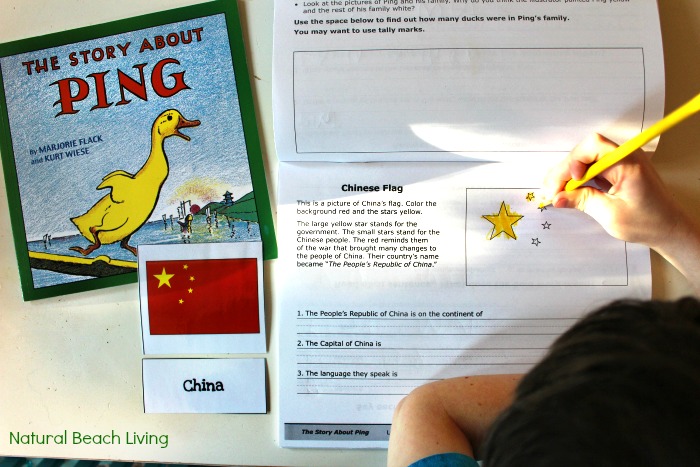
Favorite Classical Education Books


Montessori Homeschooling
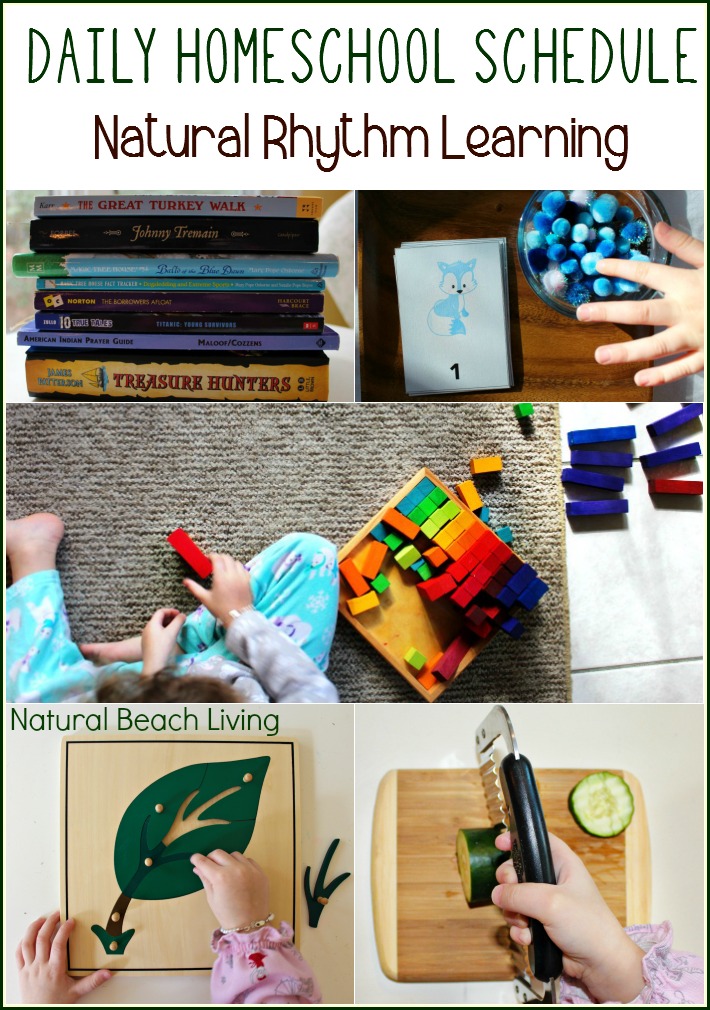
The Montessori approach is used for a lot of younger children. However, some parents do continue their Montessori journey throughout the schooling years. Montessori emphasizes open learning, where the child picks what they want to learn about and what materials they want to use.
This approach favors beauty and clean, uncluttered spaces to maximize learning and order for young children. Specific Montessori materials are used in classrooms, but Montessori education at home can be effective without requiring the purchase of every item.
Child-size real life tools, wooden materials and toys, with minimal electronic use are essential elements of this style of learning.
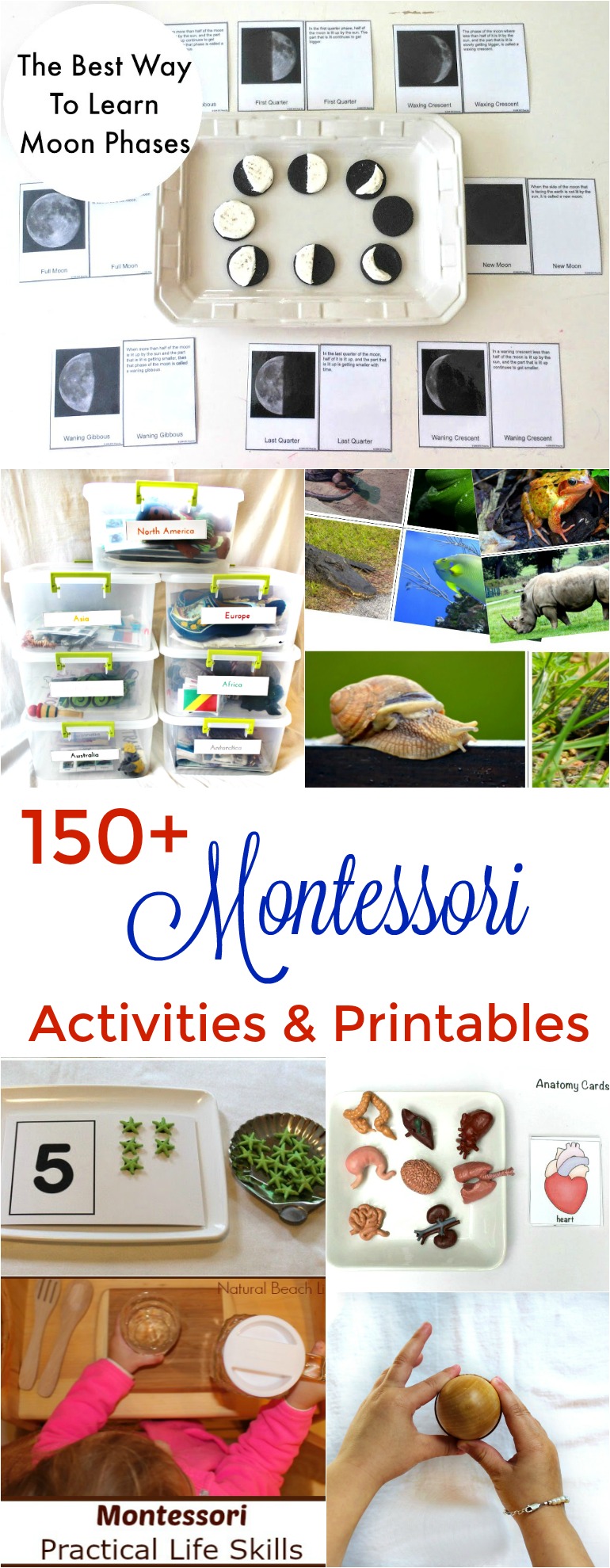
Montessori Books


Charlotte Mason Homeschooling
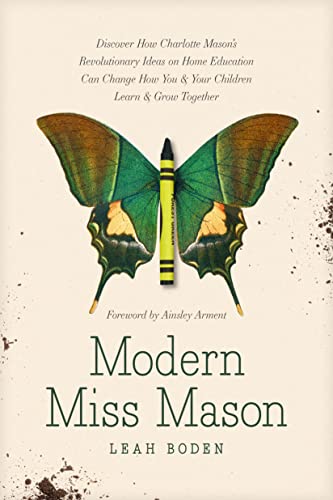
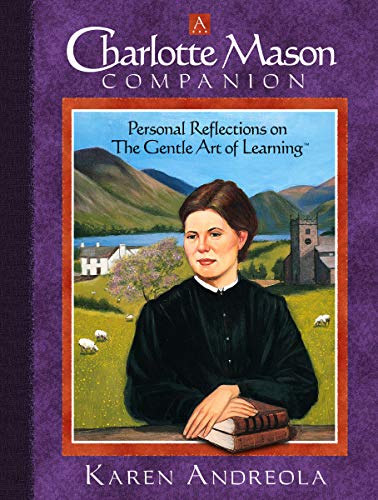
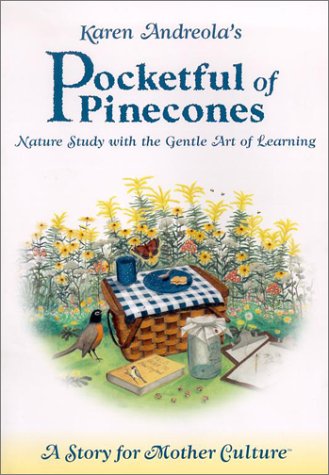
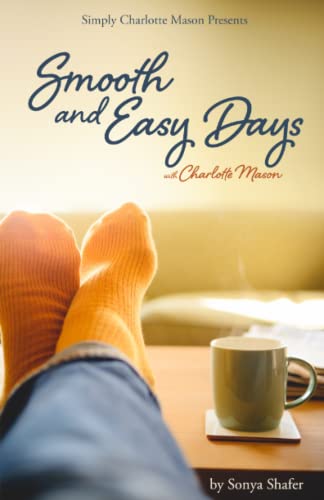
Some homeschooling families choose to follow the education style pioneered by British educator Charlotte Mason . This style is characterized by an emphasis on real-life learning situations, nature and play, and “living books” – books that make subjects “come alive.” Another key element in the Charlotte Mason approach is the emphasis on narration and writing over traditional test-taking.
Check out this great article on the Charlotte Mason method of homeschooling.
Charlotte Mason Books




Unschooling
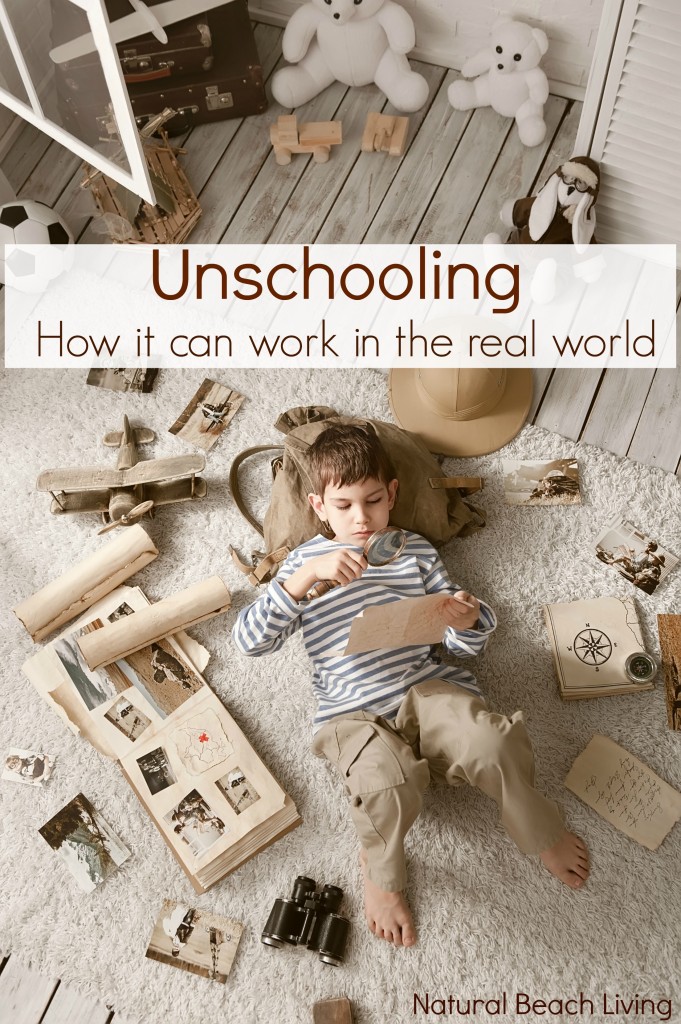
Sometimes referred to as “child-led learning,” the unschooling approach rejects the notion that children must be taught how to learn, instead favoring a style where resources are provided based on the child’s interests.
As with any method, there are advantages and disadvantages to this approach: children may have more time to become experts in their preferred areas of interest and develop a greater passion for learning. They can follow their own path and learn about whatever they want. The downside could be, they may struggle with certain subjects and have a hard time if they are required to enter the school system at some point.
Unschooling Books and Alternative Learning


Traditional Homeschooling
The traditional method could also be referred to as “school at home.” With this method, parents try to mirror the classroom experience as much as possible, perhaps even setting up a school room with desks in their home. This method relies heavily on worksheets, textbooks, and teacher-led learning.
This approach is attractive to parents who want to stay in line with the school system as much as possible – for example, if they plan to have their children return to public or private school at some point.
Waldorf Homeschooling
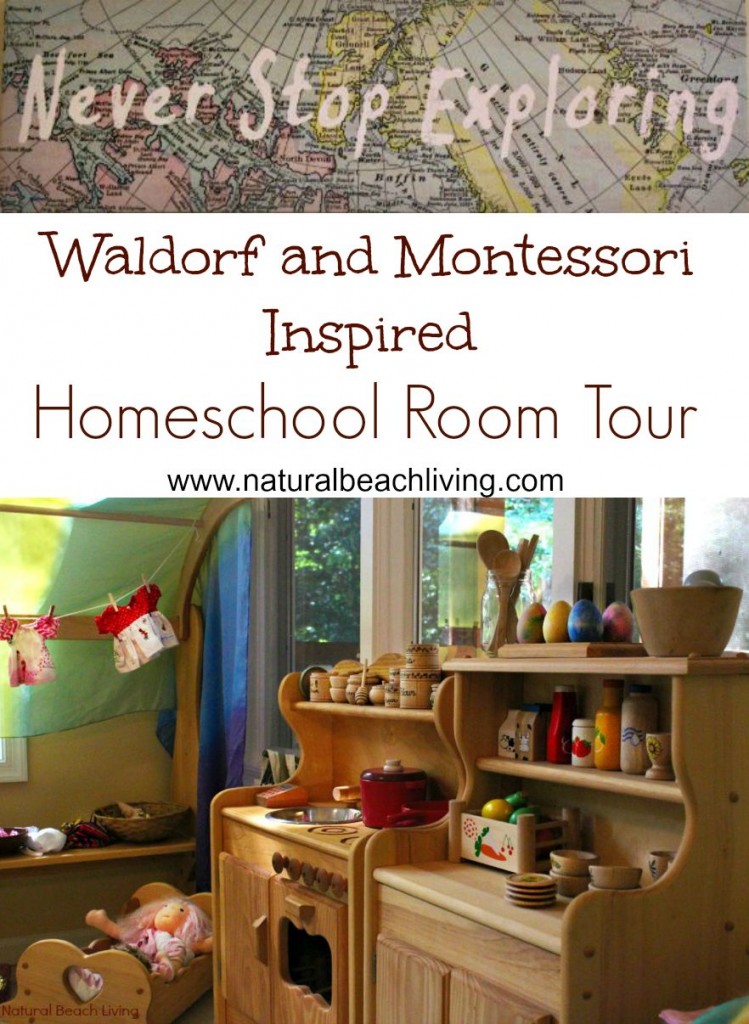
The Waldorf style of education is based on the teachings of Rudolf Steiner. This approach could be described as “holistic” – educating the child’s “body, mind, and spirit” is emphasized. The arts, music, and nature studies are highly utilized, while textbook use is not common. Older children are encouraged to develop reasoning skills and learn through great literature. Electronic use is discouraged within the Waldorf approach. They also start at a later age and have a more gentle approach to academics.
Waldorf Books


Unit Studies
Unit studies center all subjects around a specific theme. For example, a unit study on birds might feature lessons such as:
- A Science lesson on bird anatomy
- Reading stories about birds
- Bird Watching
- Making Bird Treats
- Using feathers as math manipulatives
- A History lesson featuring legends or folklore about birds
Unit studies are ideal for families who want to consider their child’s interests when it comes to what is studied. They can also work well for families with children of different ages, since lessons for different grade levels can still work together around the same theme – then be used over and over again throughout the years as children progress.
You can think of the unit studies you put together like awesome learning experiences, books, and activities for learning!
Reggio Homeschooling
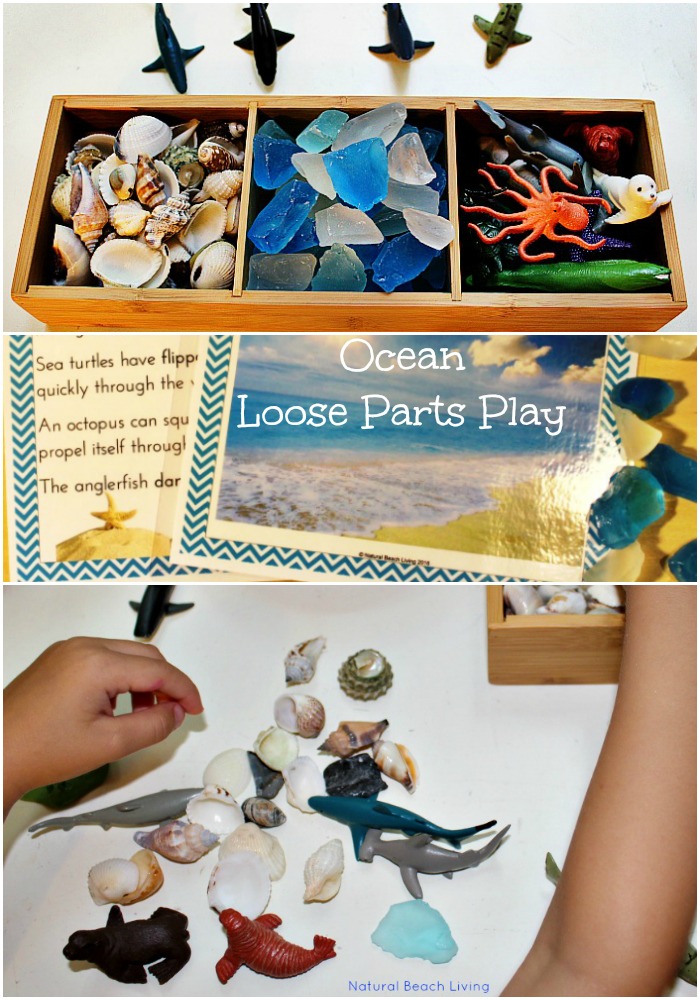
Reggio Emilia is an early childhood education approach to learning. It’s set up for a child or student centered, self-directed way. Reggio Emilia otherwise known as Reggio is based on respect, responsibility, and community through working and learning through exploration and discovery. The Reggio learning environment is seen as the 3rd educator, not just space for children to work.
With the Reggio approach, children build, create, and experiment with hands-on materials. The children should be/are supported with their views and work.
Eclectic Homeschooling
An eclectic approach to homeschooling is quite common – with this approach, families can choose what resonates with them from each style in a way that helps them meet all of their goals. This is us. For example, a family might use unit studies for everything except math.
Another family might “unschool” for the most part, but follow a rigorous curriculum for one specific subject. Or maybe you love using aspects of Montessori for your preschooler but do things completely differently with your older children.
The Ultimate Guide to Homeschool Methods Will Help You Pick a Teaching Method Perfect for Your Family
As you can see, there are many ways to approach homeschooling. Remember that most homeschooling families don’t follow a single approach for all their children. Feel free to take elements from each approach in a way that works best for you and your family – that’s one of the greatest perks of homeschooling there is! You can do whatever you want.
Other homeschool methods you might hear used are Literature-based, Delight Directed, and Project Based. Which homeschool method works for your family?
Homeschool Methods
Teaching and Parenting Books



CLICK HERE FOR 10 REASONS READING IS SO IMPORTANT
Homeschool Ideas
Studies have shown that if you really like this, you will also love the following articles. I have pulled them together for you right here!
7 Ways to Foster a Love of Reading in Kids
How to Homeschool Like a Boss
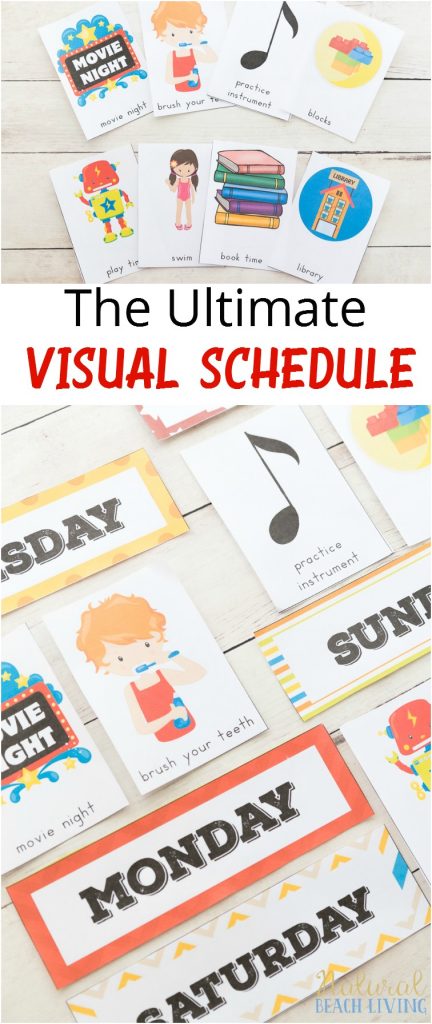
Click Here for The Ultimate Daily Visual Schedule Bundle
How to Homeschool your Child with Special Needs
Guide to Homeschool Methods
Giveaway
It’s hard to believe, but another homeschool year is just around the corner. Whether you’re deep into planning or still enjoying summer, chances are you’ve got curriculum and supplies on your mind.
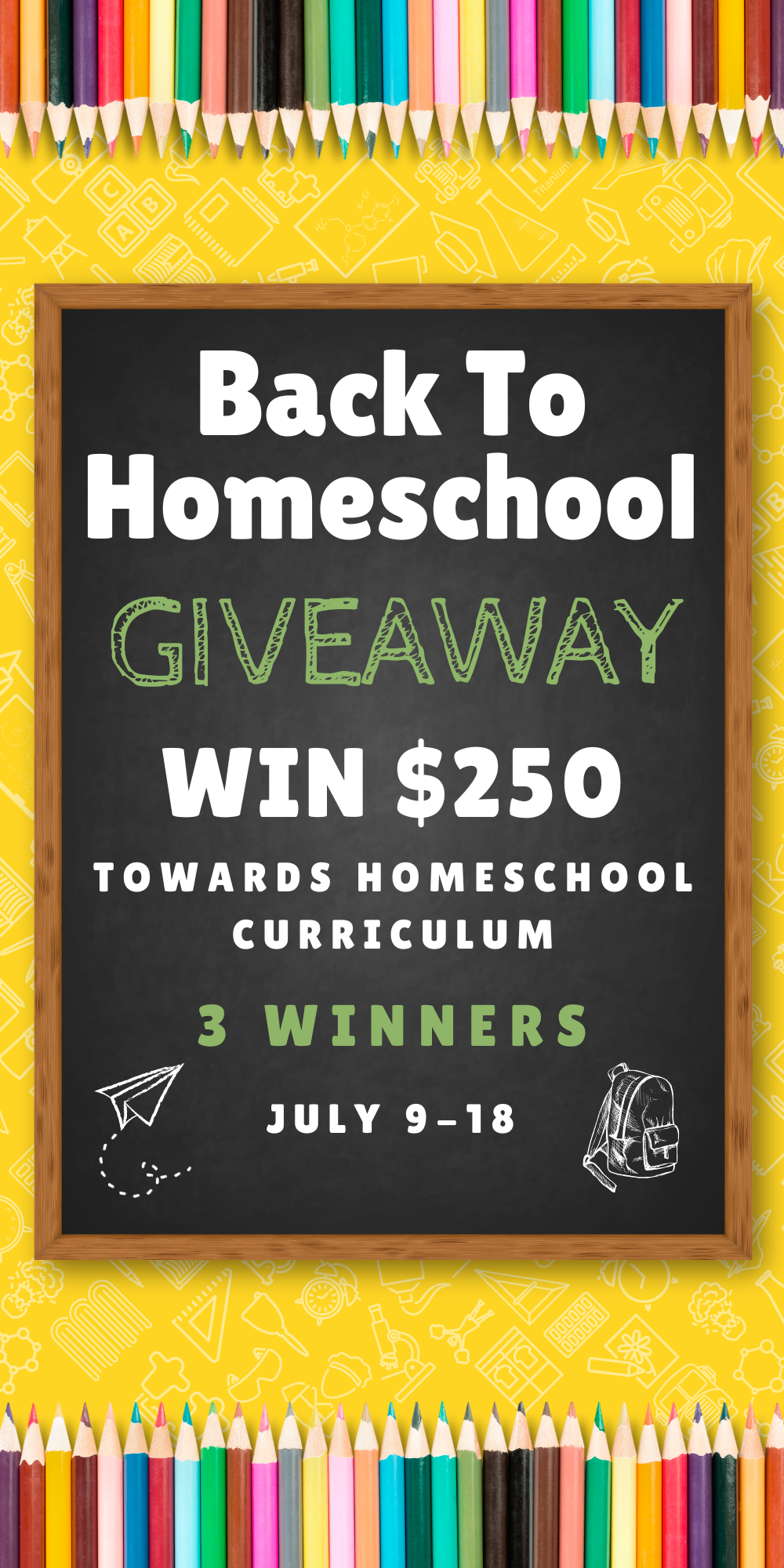
We know that preparing for a new homeschool year can be both exciting and overwhelming, especially when you’re trying to stick to a budget. Homeschooling on one income or teaching multiple kids can make the costs add up quickly. That’s why I’ve teamed up with a group of amazing homeschool bloggers to bring you our 12th Annual Back to Homeschool Giveaway. And we think you’re going to love it.
This year, we’re giving away three $250 gift cards, and the best part is that you get to choose which homeschool curriculum company the gift card is for. Whether you use The Good & the Beautiful, Gather Round, Notgrass, My Father’s World, or maybe you like shopping at Rainbow Resource, this giveaway is designed to help ease the cost of your school year.
The giveaway runs from July 9 through July 18, so be sure to get your entries in.
To enter, simply use the Rafflecopter form below. I know there are quite a few entries, but each blogger has generously contributed to make this giveaway possible. And remember, the more entries you complete, the better your chances of winning.
We hope this giveaway is a blessing to you and your homeschool this year!
Giveaway ends July 18th at 11:59pm ET. Winners will be drawn and emailed the following day. The winners will have 48 hours to respond to email to claim the prize. By entering this giveaway you will be added to the email lists of the participating bloggers. Please be sure to read the Terms & Conditions upon entering the giveaway.
a Rafflecopter giveaway