Animal Habitats Color by Number Worksheets
Learning about animal habitats can feel exciting when you mix it with something creative. Color-by-number pages turn science into a hands-on activity that keeps kids engaged while building number and color recognition skills. Animal habitats color by number helps children explore where animals live while practicing early math in a fun, simple way.

Animal Habitats Color By Number for Kindergarten: Fun Learning Activities
You guide kids to connect learning with play as they color forests, oceans, deserts, and more. Each page introduces different environments and the animals that depend on them. This mix of art and learning supports curiosity and focus without needing complex materials.
By using color by number activities, you make science lessons more interactive and calmer. These printable pages work well for group lessons, centers, or quiet-time practice. They build a foundation for understanding nature while keeping young minds active and curious.
affiliate links can be found on this blog at no cost to you.
Animal Habitats Color By Number
You can introduce young learners to land, water, and air environments through simple coloring activities that also build number recognition and attention to detail. These worksheets help you connect early math practice with lessons about how animals live and adapt to their surroundings.
How Color by Number Activities Reinforces Learning About Animal Habitats
When you use color-by-number worksheets that feature habitats, your students link number recognition with science. Each numbered space directs children to use a specific color, which builds focus and fine motor control. At the same time, they see how animals depend on certain environments such as the forest, ocean, and desert.
This visual relationship between number and picture keeps students engaged. They notice that polar bears belong in snowy regions, while elephants live in warm grasslands. This type of integrated activity connects early math, art, and environmental topics without adding complex instructions.
Adding short questions such as “Which animal might live in cold places?” or “What colors show a dry climate?” encourages discussion. These simple prompts strengthen understanding of animal needs and their natural surroundings.
Animal Habitats Color by Number Worksheets

Types of Animal Habitats in Kindergarten Worksheets
In kindergarten-level worksheets, habitats often include rainforests, farms, oceans, deserts, savannahs, and arctic regions. Each area shows different animals, plants, and weather conditions. By coloring, your students can identify where specific species live.
| Habitat | Common Animals | Key Features |
|---|---|---|
| Forest | Deer, owls | Trees, mild weather |
| Ocean | Fish, whales | Water, waves |
| Desert | Lizards, camels | Sand, heat |
| Arctic | Polar bears, seals | Snow, ice |
| Farm | Cows, chickens | Fences, barns |
These printable pages are a great way to show how animals fit into their ecosystems. Students observe that not all animals can survive everywhere, helping them compare living conditions between habitats.
Benefits of Animal Habitats Color By Number Activities
Color by number worksheets blend art and academics. They support color recognition, number identification, and observation skills while introducing early science terms like habitat and ecosystem.
Because the directions are visual, children can complete the activity with little reading. This allows you to include both younger learners and emerging readers. Younger students get to practice counting while exploring where animals live.
These activities also give you a low-prep teaching tool. They make great centers, quiet-time tasks, or review materials. The mix of coloring and learning creates a calm, focused environment that helps students absorb new information naturally.
Connecting Coloring Activities With Animal Classifications
As your children color different animals, you can discuss animal classifications such as mammals, reptiles, birds, amphibians, and fish. This step connects visual learning with science vocabulary. For example, have students group all mammals from the pages and notice what features they share.
You can use activities to compare body coverings, like fur versus scales, or environments, like land versus water. These conversations help children start recognizing how scientists organize animals into groups.
During your habitat activities you can guide students toward understanding that classification depends on traits, not just habitat.





Creative Approaches to Animal Habitats Color By Number
You can make animal habitat color-by-number activities more meaningful by mixing creativity, movement, and basic learning skills. Using themes like zoo animals, jungle creatures, or ocean life helps children link animals to their natural homes while practicing number recognition, color matching, and fine motor control.
Zoo Animals and Jungle Animal Color By Number
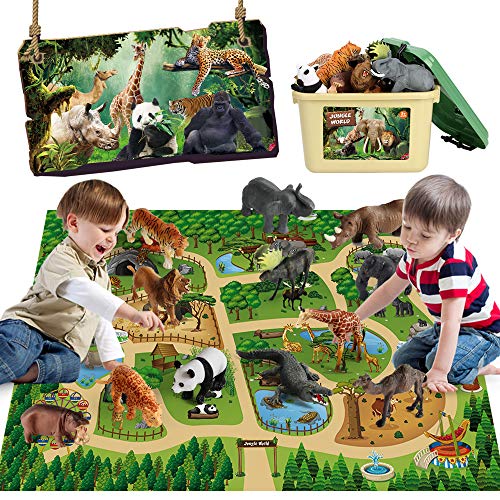
Color-by-number sheets featuring zoo and jungle animals help children connect animals to where they live and what they eat. You might include images of lions, giraffes, elephants, and monkeys for jungle scenes or a mix of both wild and zoo animals for variety.
To add more learning value, pair zoo animals activities with free animals worksheets that include letter tracing or simple facts about each animal. You could use alphabet crafts and activities with animals for letter practice while coloring.
Encourage children to discuss what makes a jungle habitat different from a zoo. They learn that zoos are human-made habitats designed to care for animals safely. Activities like scavenger hunts or zoo animal crafts such as paper plate elephants or printable animal masks make coloring more interactive and fun.
| Activity | Skills Practiced | Materials Needed |
|---|---|---|
| Jungle Animal Coloring Pages | Number matching, fine motor control | Crayons, markers |
| Zoo Animal Crafts | Hand-eye coordination, creativity | Paper plates, glue, scissors |
| Zoo Scavenger Hunt | Observation skills | Printable checklist |
Ocean and Polar Animal Habitats Coloring Activities
Ocean and polar animal color-by-number projects help children compare two cold and aquatic environments. You can include ocean animals for kids like fish, crabs, and sea turtles, along with polar species such as seals, whales, and penguins.
Ask children to notice colors that show temperature differences, bright corals and blues for ocean scenes, white and gray for icy areas. Use these coloring pages to start short discussions about how animals adapt to their surroundings, linking to simple lessons about life cycles for kids or basic animal needs.
Integrating reading prompts or word labels (like “cold,” “ice,” “swim,” or “warm”) reinforces vocabulary. Keep a small display board of finished coloring pages grouped by habitat to help kids visualize the diversity of environments across the planet.
Integration With Crafts, Games, and Printables
Combining color by number sheets with creative crafts and games keeps children engaged. You can follow up coloring with animal habitat games, such as sorting pictures of animals into their proper homes like forest, ocean, desert, or polar regions.
Printable materials expand these lessons easily. You might use animal crafts for working on fine motor skills or simple animal drawing pages for free drawing practice. Pairing these with an animal matching memory game reinforces recognition and recall.
In classroom centers, rotate between craft and worksheet stations. Children might color, build paper habitats, then play a matching game with animal cards. These integrated activities help you build well-rounded lessons that combine hands-on creativity with early science and reading skills.
Animal Habitat Free Worksheets

Click Here for Your Free Animal Habitat Activities
Click Here for Your Free Color By Number Animal Habitat Worksheets (Find these under the Animal Section 1/2 way down the page)
Winter Animals Preschool Activities, Lessons, and Printables

Montessori Zoology Animal Body Coverings Activities (Free Printables)