Fun Lesson Plan Activities for Preschoolers
Planning lesson activities for preschoolers can feel overwhelming, but it doesn’t have to be. By using simple, hands-on ideas, you can help young children learn and have fun at the same time. These activities support skills like counting, problem solving, language development, and teamwork.

Lesson Plan Activities for Preschoolers: Fun and Engaging Ideas for Early Learning
You might be looking for new ways to keep your preschoolers engaged or wondering how to turn everyday moments into learning opportunities. Whether you choose themes, crafts, songs, or play-based lessons, there are endless ideas to fit your group’s needs. With the right activity, every day can be exciting for both you and your students.
affiliate links can be found on this blog at no cost to you.
Fundamentals of Lesson Plan Activities for Preschoolers

When planning lesson activities for preschoolers, you should focus on what helps young children learn best. Using practical lesson plans that include engaging themes, clear objectives, and hands-on activities is important for early childhood success.
What Makes An Effective Preschool Lesson Plan
An effective preschool lesson plan is designed to fit the age, interests, and needs of your students. It includes a clear goal for what you want children to learn during the activity.
Activities should be simple and encourage participation. Use visual aids, songs, and movement to help children understand new ideas. You can also include free play or sensory activities to let kids explore and use their senses.
Good lesson plans for pre-k keep the structure short, usually 15–20 minutes per activity. This helps children stay focused. Transitions between activities also help children know what is coming next.
Key Elements of Early Childhood Learning
Early childhood education should address several areas of development. Lesson plans should include language, math, science, art, and social play skills.
Use rhymes, storybooks, and songs for language development. For math, try sorting objects by color or counting blocks. Science activities might include mixing colors or growing plants. Art activities can include finger painting or making collages.
It’s also important to build social skills. Mix in group games or sharing activities to help children learn cooperation and problem-solving early. Use gentle routines and repetition to help make learning easier.
Role of Preschool Themes in Engagement
Using preschool themes makes lesson planning easier and lessons more interesting for your kids or classroom. A theme, such as “Colors of the Rainbow” or “Community Helpers,” is perfect.
With theme planning, you can add various activities—like music, math, art, and reading—to the same topic. This helps children make connections and remember what they learn.
Themes also allow for creative ideas. You can set up dramatic play areas or sensory bins that match the weekly theme. Themed activities keep your students engaged and excited about coming to class. Lists of theme ideas, like seasons or animals, help you plan and cover topics your students are curious about.

Learning Activity Ideas for Preschool Classrooms
Young children learn best through activities using movement, color, songs, and hands-on play. These core preschool learning ideas help build early literacy, math, and creative skills in a way that is fun and easy for you to set up.
Hands-On Activities for Early Literacy
You can build literacy skills with simple activities that use everyday materials. Try a letter matching game with foam or magnetic letters and a cookie sheet. Kids love matching uppercase and lowercase letters by shape or color.
Read alphabet books aloud and encourage kids to say the letters and repeat sounds. Use picture cards for simple rhyming games. Letter hunts are always popular—hide some letter flashcards around the room and let the children find and name them.
Playdough can be used to form letters, helping young children recognize letter shapes. Singing alphabet songs and playing with finger puppets make letter learning part of everyday play. These activities build early literacy in a way that feels like a game.
Preschool Math and Counting Fun
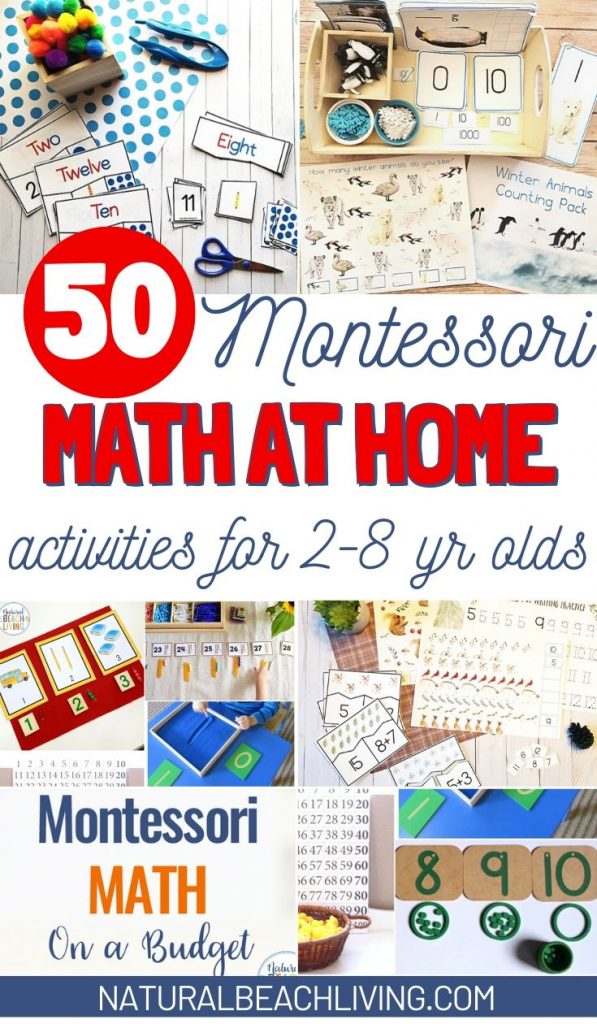
Preschool math comes alive with counting games and hands-on activities. Gather small items like buttons, blocks, or counting bears to practice sorting by color or size. Let kids roll a big foam die and count out the correct number of objects.
Sorting and grouping by shape or color are great for teaching both math and observation skills. You can have children make patterns with beads or blocks, such as red, blue, red, blue. Use simple charts or tables on a poster to keep track of the group’s favorite fruits or colors and count them together.
Counting songs, like “Five Little Ducks,” add music to math. Number puzzles and shape recognition activities can be rotated throughout the week for variety. Kids gain confidence as they count and play in new ways each day.
Preschool Art Projects and Craft Activities
Creative activities help children learn to express themselves while building fine motor skills. Try painting with brushes, sponges, or even hands to explore colors and mixing. Set up a craft table with glue, paper, pom-poms, and child-safe scissors for collage making and shape art.
Let children create art projects inspired by the seasons or their favorite stories. You might use playdough or clay for simple sculpting, which also helps children learn about texture and shape. Stickers and stamps can add extra fun to daily art.
Display finished preschool art projects in the classroom so kids feel proud of their work. Encourage kids to talk about their creations, using new words and describing shapes or colors.
Art is a key part of preschool learning that mixes creativity with essential skills.

Enhancing Development Through Play and Exploration
Young children learn best when they play and explore their world using all their senses. Simple activities can help your preschoolers build important skills, like talking with friends, using their hands, and moving their bodies.
Sensory Bins and Sensory Activities
Sensory bins give kids a chance to touch and play with different materials. You can fill a bin with rice, beans, sand, or even water. Invite children to scoop, pour, pinch, and mix the materials using spoons, cups, or their hands.
These activities help improve fine motor skills. Picking up small objects or pouring sand helps build hand strength and coordination. Sensory bins can also teach kids about sorting, size, and texture.
Children might talk about what they feel, boosting their language skills. You can add small toys or tools to make the activity more creative. Try using seasonal themes—like adding fake leaves in autumn or cotton balls for “snow” in winter.
Popular sensory bin fillers:
| Material | Skill Focus |
|---|---|
| Rice | Scooping, pouring |
| Water Beads | Pinching, sorting |
| Sand | Digging, scooping |
| Dried Beans | Sorting, counting |
Dramatic Play for Social Skills
Dramatic play lets children pretend and role-play real-life situations. With simple props like play food, dress-up clothes, and toy cash registers, you can set up a pretend kitchen, doctor’s office, or grocery store.
This kind of play builds social skills as kids take turns and share ideas. They learn to listen, use polite words, and express feelings. When acting out stories, children also build creativity and practice problem-solving.
Dramatic play supports both language and gross motor skills. Kids move around the area, carry pretend groceries, or cook in a play kitchen. They talk with friends, act out roles, and use new words.
Ideas for dramatic play centers:
- Grocery Store
- Animal Hospital
- Construction Site
- Restaurant
Encourage children to come up with their own storylines and characters for even more creative fun.

Tips for Preschool Teachers and Parents
Every child learns in their own way, so it’s important to use different strategies and activities. Mixing hands-on lessons, songs, and simple tools can help toddlers and preschoolers at home or in the classroom.
Adapting Activities for Diverse Learners
Preschool classrooms can include children with many different needs and learning styles. Try using a mix of visual, hands-on, and movement-based activities. Some kids learn best by listening, while others need to see or do something for it to stick.
Create simple choices during activities. For example, let children pick between drawing, building with blocks, or acting out a story. Using learning centers can give everyone a chance to play and learn in their own way.
Small group work is helpful, too. If you have children that need extra time or support, give them clear, step-by-step directions. Keep directions short; say, “First we color, then we clean up.” This helps every learner feel more successful and keeps frustration low.
Incorporating Music and Nursery Rhymes
Music and nursery rhymes are wonderful teaching tools for preschoolers. They help children remember new ideas, follow routines, and build language skills. Try including a song or rhyme at the start of each day or activity.
You can use simple rhythm instruments, like shakers or drums, to make activities more engaging. Have children clap along to the beat or march around the room while singing. Repeating nursery rhymes lets children practice new words and sounds in a fun way.
Songs make transitions easier. For example, a cleanup song signals it’s time to put things away. This makes routines smoother and keeps kids interested. Music and rhymes also help shy children join group activities without pressure.
Ideas for Homeschooling and Toddlers
Teaching preschoolers at home or working with young toddlers means activities need to be flexible and simple. Use everyday items from around the house for preschool activity ideas, such as sorting socks by color or counting spoons.
Set up easy learning centers in your living room or kitchen. Try a table for playdough, a box of books for quiet time, and a spot with blocks for building. Change activities every 10–15 minutes to match short attention spans.
Toddlers love repetition. Don’t worry about switching activities too often. It’s fine to sing the same song, read a favorite book, or do a simple art project more than once. The key is to keep things positive and praise their effort, not just the result.
CLICK HERE FOR OVER 200 PRESCHOOL THEMES AND ACTIVITIES

Preschool Activities
Preschool lesson plans work best when you add hands-on activities, adjust for different ages, and keep resources easy to access. Using free and creative ideas can help children build important skills as they grow.
What are some creative activities to include in preschool lesson plans?
You can include sensory bins, finger painting, music, and movement games. Nature walks and collecting leaves or rocks can also make learning fun. Simple science experiments, like mixing colors or watching seeds grow, are great ways to spark curiosity.
How can I adapt lesson plans for different preschool age groups?
For younger preschoolers, use simple tasks and short activities with lots of repetition. Older preschoolers might be able to handle activities with more steps, like sorting objects by shape or color and simple puzzles. Always keep instructions clear and adjust based on how the children respond.
Where can I find printable resources for preschool lesson plans?
Grab some free printable lesson plans and worksheets. You can find coloring pages, simple math worksheets, and themed activities ready to print and use in your classroom.
What types of free preschool activities can help with child development?
Sorting games, counting objects, and matching activities help build early math and thinking skills. Songs and story time improve language and listening skills. Art projects, like drawing and cutting shapes, help with fine motor skills.
How do I structure a lesson plan for a preschool classroom setting?
Start with a greeting or circle time to welcome the children. Use short lessons followed by hands-on activities. Include breaks for play, songs, and snacks, and end your day with a calm routine like story time.
What are the best practices for engaging 3 and 4-year-olds in learning activities?
Keep activities short and interactive. Use lots of praise and let children move, sing, or explore as they learn. Choose activities that allow for choice and creativity, such as building with blocks or painting. Rotate materials often to keep their interest.