50+ Pumpkin Activities for Preschoolers
Fall is here, and nothing says autumn to a preschooler quite like a big orange pumpkin. Kids love how pumpkins look, feel, and even smell, which makes them one of the best learning tools you can bring into your home or classroom. The best pumpkin activities for preschoolers turn a simple gourd into hands-on lessons in math, literacy, science, art, and sensory play, think counting seeds, matching letters on paper pumpkins, painting real pumpkins, or scooping out the goopy insides.
You don’t need fancy supplies or a big budget to make it work.
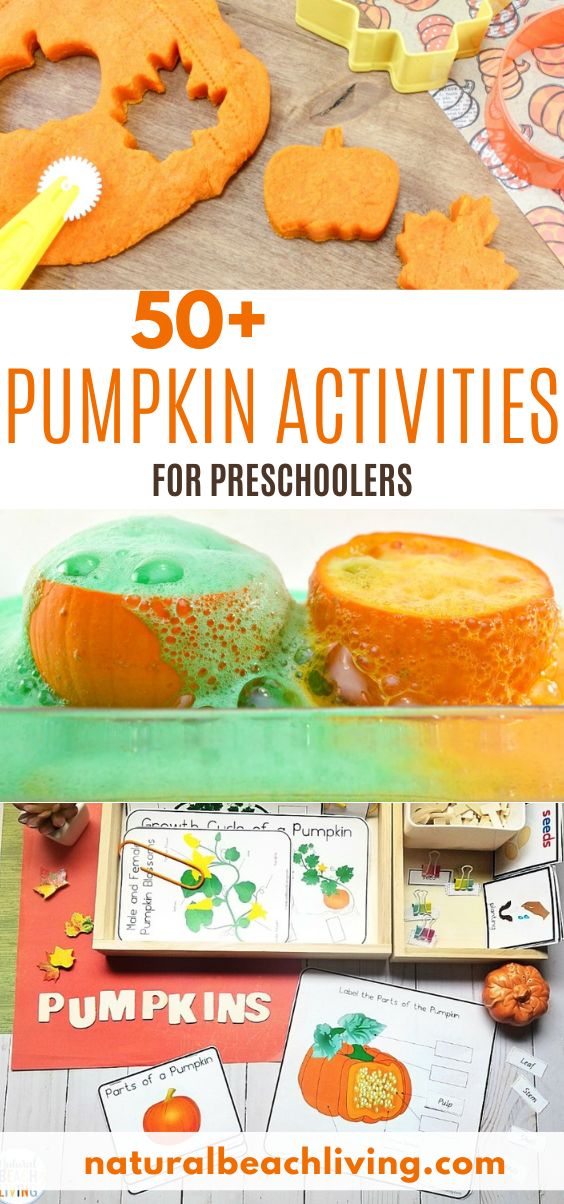
Pumpkin Activities for Preschoolers: Fun Fall Learning
Below you’ll find plenty of preschool pumpkin activities to fill out your pumpkin theme, from quick five-minute crafts to fall activities that keep little hands busy all afternoon. Pick a few favorites or work your way through the whole list as the season goes on.
affiliate links can be found on this blog at no cost to you.
Build a Simple Pumpkin Learning Theme
A good pumpkin unit doesn’t need fancy supplies or hours of prep. With a few real pumpkins, some basic tools, and a loose weekly plan, you can turn pumpkin activities for preschool into math, literacy, science, and sensory play.
Choose Materials for Hands-On Exploration
Start with real pumpkins in a few sizes. Small pie pumpkins work well for washing, weighing, and rolling. One larger pumpkin can be cut open for a science lesson about seeds, pulp, and stems.
Then add tools kids already know how to use:
- Fine motor: golf tees and a rubber mallet, tweezers, droppers, child-safe scissors
- Math: dice, counting bears, pumpkin erasers, a balance scale, measuring tape
- Sensory: dyed chickpeas or rice, water and dish soap, sponges, funnels
- Art: orange and green paint, dot markers, play dough, pipe cleaners for vines
Save your dried seeds. Kids can count them, sort them, or press them into play dough to form letters.
Adapt Activities for Home and Classroom Use
Most pumpkin preschool activities scale up or down without much work.
At home, one pumpkin can carry a whole week. Wash it Monday, weigh and measure it Tuesday, open it Wednesday, dry the seeds Thursday, and paint it Friday.
In a classroom, set the same steps up as small group rotations so four or five kids work at once. Use plastic pumpkins instead of real ones for busy centers, since real ones bruise and start to smell after a few days.
Tip: Store your cut pumpkin in the fridge overnight. It stays fresh longer, and kids can keep exploring it all week.
For families, a trip to a pumpkin patch gives kids something real to connect the activities to. Talk about vines, size, and color while you’re there.
Plan a Balanced Week of Centers
Spread your fall activities across skill areas so kids aren’t doing the same type of task every day.
| Day | Focus | Activity Idea |
|---|---|---|
| Monday | Science | Sink or float with small pumpkins and gourds |
| Tuesday | Math | Roll a die, count that many seeds into a pumpkin cup |
| Wednesday | Literacy | Hide letter cards inside plastic pumpkins and match them |
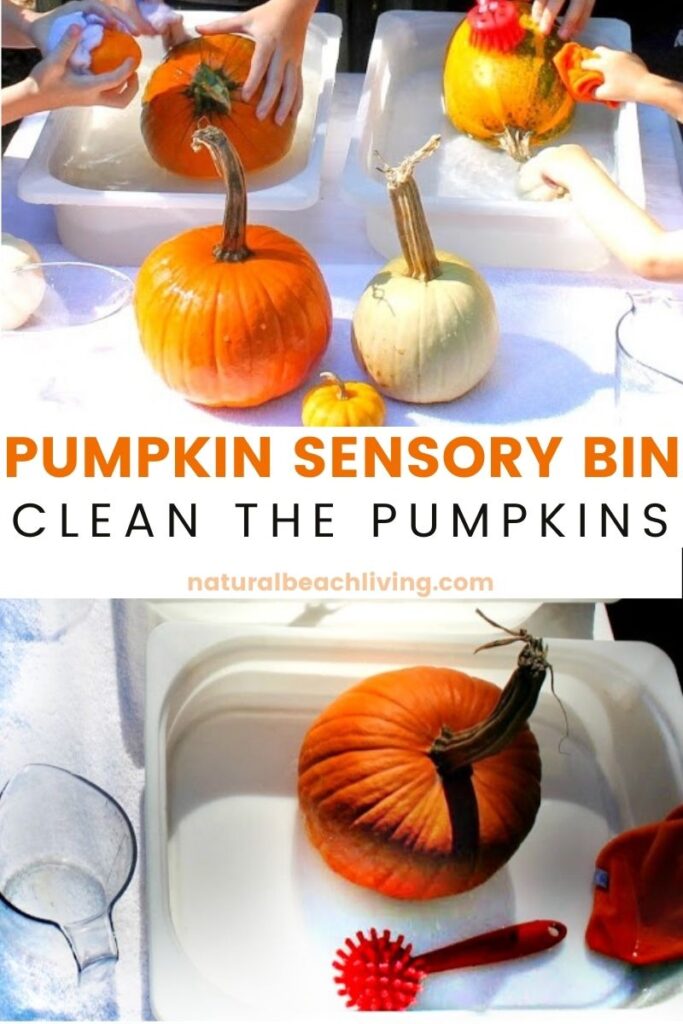
| Thursday | Sensory | Pumpkin wash bin with soapy water and brushes |
| Friday | Art | Still-life painting with real pumpkins on the table or a creative salt painting pumpkin. |
Keep a pumpkin patch dramatic play corner open all week with a wagon, paper money, and price signs. It gives kids a place to practice taking turns and using new words.
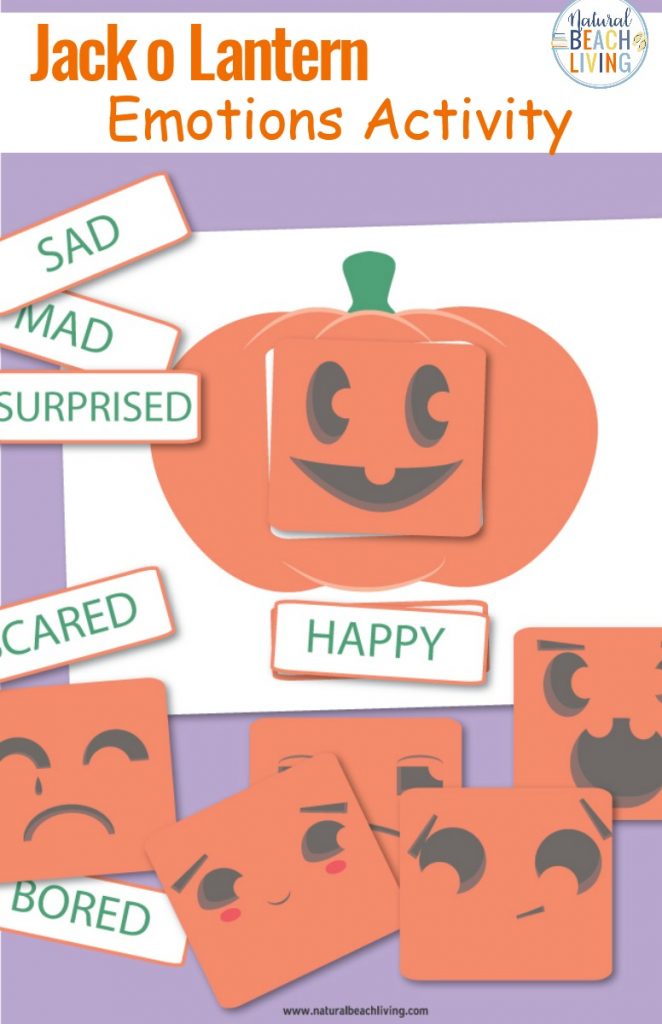
If you also want Halloween activities, swap Friday’s art for jack-o’-lantern face building with felt shapes.
Explore Pumpkin Science and Nature
Pumpkins are perfect for hands-on science because kids can touch, smell, weigh, and take them apart. Below you’ll find ways to study pumpkin parts, follow the life cycle, measure real pumpkins, and set off a fizzy reaction.
Investigate Pumpkin Parts and Anatomy
Start your pumpkin investigation by cutting off the top and letting kids reach inside. Most preschoolers will squeal, and that’s part of the fun.
Give each child a spoon and a bowl for the goopy insides. As they scoop, name the parts of a pumpkin out loud so the words stick.
Here are the pumpkin parts to point out:
- Stem – the tough handle on top that connected to the vine
- Skin – the smooth orange outside
- Ribs – the lines that run from top to bottom
- Pulp (flesh) – the thick orange part you eat
- Strings (fibers) – the stringy bits holding seeds
- Seeds – flat, white, and full of new plants
Try adding feeling words to your pumpkin anatomy talk: slimy, squishy, mushy, bumpy. Ask kids which part surprised them most.
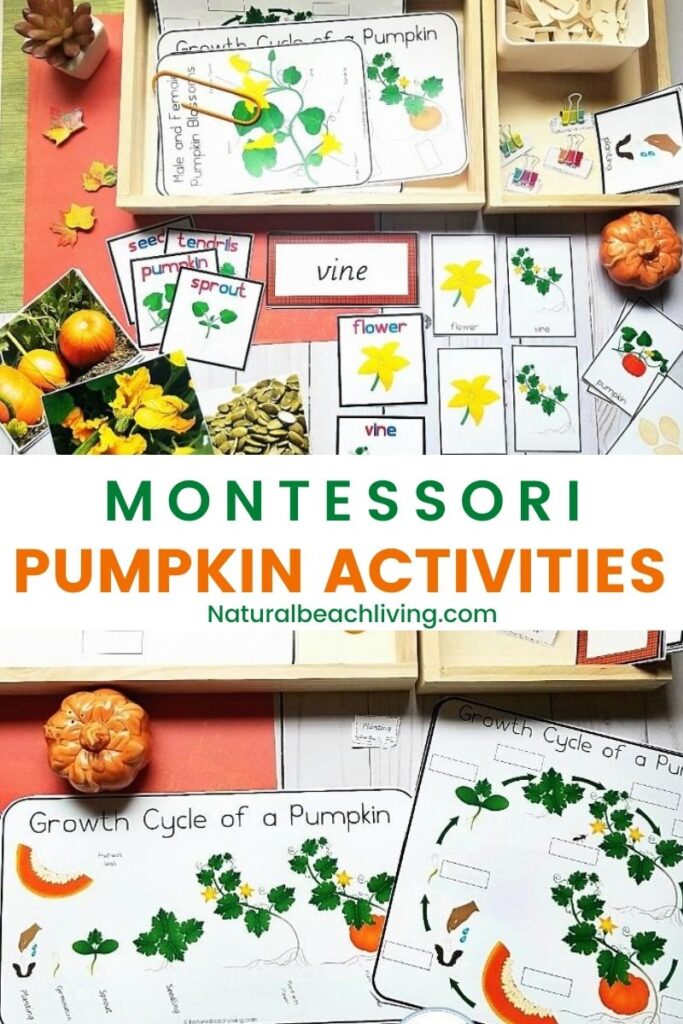
Teach How Pumpkins Grow
Once the seeds are out, kids naturally ask where pumpkins come from. That’s your opening to teach the pumpkin life cycle.
Keep the life cycle of a pumpkin to five simple steps:
- Seed
- Sprout
- Vine with big green leaves
- Yellow flower
- Green pumpkin that turns orange
For a pumpkin life cycle activity, have kids glue real items onto a paper plate divided into five sections. Use an actual seed, a bit of green yarn for the vine, a paper flower, and a small orange circle.
Then plant a few washed seeds in paper cups with soil. Set them by a sunny window and water them lightly.
Sprouts often appear in about a week, which gives kids something real to watch.
Measure, Compare, and Test Real Pumpkins
Measuring pumpkins turns math into a game. Set out two or three pumpkins of different sizes and let kids guess before they measure.
| What to Test | How to Do It | What Kids Learn |
|---|---|---|
| Around the middle | Wrap yarn around, then cut it | Comparing length |
| Height | Stack blocks beside it | Non-standard units |
| Weight | Use a balance scale with blocks | Heavier and lighter |
| Sink or float | Drop it in a water tub | Predicting and testing |
Most pumpkins float because they’re hollow inside. Ask kids to predict first, then cheer when the pumpkin bobs.
You can also count seeds in small groups of five or ten. Save some seeds for roasted pumpkin seeds later, tossed with a little oil and salt.
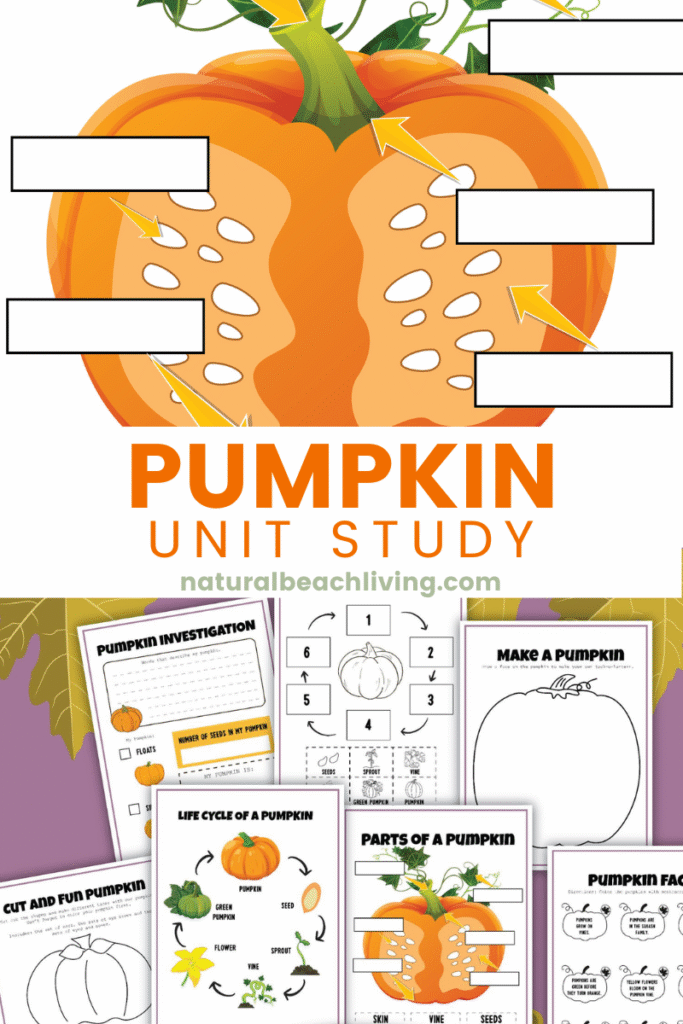
Pumpkin Investigation Printables for Kids
Make learning fun this fall with these pumpkin investigation pages, pumpkin coloring sheets printable activities designed to spark curiosity and creativity in kids of all ages!

Try a Fizzing Pumpkin Experiment
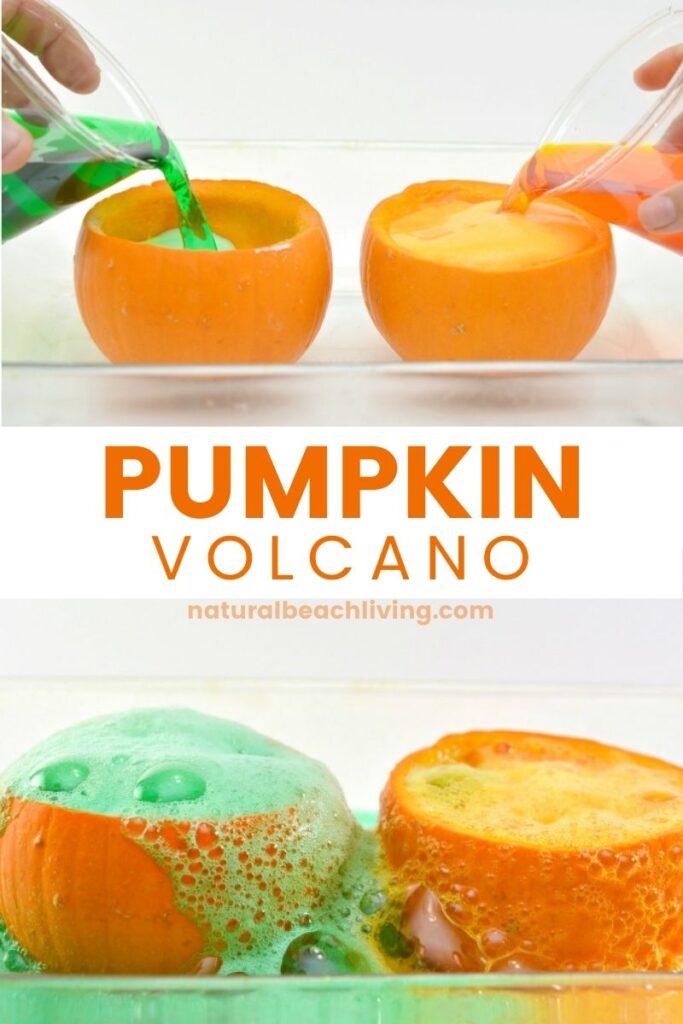
A pumpkin volcano is a favorite because the reaction happens fast.
The bubbles come from carbon dioxide gas forming when baking soda and vinegar mix. Tell kids the gas needs somewhere to go, so it pushes foam out the top.
Let them refill it a few times. Repeating the experiment helps them notice that more baking soda makes a bigger fizz.
Practice Early Math With Pumpkins
Pumpkins give you an easy way to teach counting, sorting, and number recognition without buying fancy supplies. A few small pumpkins, some seeds, and a printable or two can fill a whole week of math time.
Count and Match Pumpkin Quantities
Start with real pumpkin seeds. After you scoop out a pumpkin, rinse the seeds and let them dry on a towel.
Then set out number cards from 1 to 10. Your child places the matching number of seeds on each card, touching one seed at a time as they count out loud. That touch-and-count habit is called one-to-one correspondence, and it’s a big step in early math.
For a pumpkin counting craft, glue seeds onto paper pumpkins with a number written in the middle. Kids get counting practice and fine motor practice at the same time.
You can also try these quick ideas:
- Count the ridges, or bumpy lines, on the outside of a pumpkin
- Use a pumpkin patch printable and cover each pumpkin with a plastic counter
- Roll a die and add that many mini pumpkins to a bowl
Sort by Color, Size, and Shape
Set out a mix of pumpkins and gourds. Ask your child to make groups, then explain why the items belong together.
Sorting by size works well with small, medium, and large pumpkins. Line them up from smallest to biggest to practice ordering.
Sorting by color builds color recognition. Real pumpkins come in orange, white, green, and tan, so you don’t need to fake it. Paper pumpkins in different colors work just as well.
You can also cut pumpkin shapes from felt or construction paper in circles, ovals, triangles, and squares. Kids match each pumpkin shape to a matching outline on a mat.
Try a simple sorting chart:
| Sort By | What to Use | What Kids Practice |
|---|---|---|
| Size | Mini, small, and large pumpkins | Comparing, ordering |
| Color | Orange, white, and green pumpkins | Color recognition |
| Shape | Paper or felt pumpkin shapes | Shape names |
| Texture | Smooth and bumpy gourds | Describing words |
Use Simple Games for Number Practice
Games keep number recognition fun instead of drill-like. Write numbers on paper pumpkins, hide them around the room, and call out a number for your child to find.
A pumpkin color by number page is another low-prep option. Each number matches a crayon color, so kids read the number, find the right crayon, and fill in the space.
Here are three more pumpkin game ideas:
- Pumpkin bowling — Set up 10 plastic cups, roll a mini pumpkin, and count how many fall.
- Feed the pumpkin — Cut a mouth in a paper plate pumpkin and drop in the number of seeds you call out.
- Number toss — Write numbers on the sidewalk with chalk and toss a beanbag onto the number you say.
Keep rounds short. Five to ten minutes is plenty for most preschoolers before they’re ready to move on.
Set up a Pumpkin Washing Station





Strengthen Literacy and Name Skills
Pumpkins make great tools for teaching letters, sounds, and names. You can set up simple matching games, build a name craft that kids take home, and read pumpkin books that get everyone talking.
Match Letters and Practice Beginning Sounds
Letter recognition gets a lot more fun when pumpkins are involved. Try filling a bin with small plastic pumpkins that open, then tuck a letter tile inside each one.
Kids pick a pumpkin, open it, name the letter, and write it on a recording sheet.
You can also draw a big pumpkin patch on butcher paper, label each pumpkin with a letter, and let kids sort letter beads into the right spot.
For alphabet matching, change the challenge based on skill level:
| Skill Level | What to Match |
|---|---|
| Beginning | Capital to Capital |
| Building | Capital to lowercase |
| Ready for more | Picture to beginning sound |
Beginning sounds work well with real objects too. Set out a leaf, a seed, a sock, and a spoon, then ask kids which ones start like pumpkin.
Make Personalized Name Projects
A pumpkin name craft covers a lot of skills at once. Cut orange circles or ovals, one for each letter in a child’s name, then have them write a letter on each piece.
Kids glue the pumpkins in order along a green paper vine. Their name becomes a little pumpkin patch they can read left to right.
This helps with name spelling, letter order, and scissor practice all in one sitting. If cutting is tricky, pre-cut the shapes or offer loop scissors that spring back open.
Want another version? Give each child a paper pumpkin and a bowl of letter beads or magnetic letters.
They find the letters in their name and line them up on the pumpkin. Then they copy the letters with a marker underneath.
Add Stories, Rhymes, and Read-Alouds
Pumpkin books build vocabulary and give kids something to chat about. Mix fiction and nonfiction so they learn real facts and enjoy silly stories.
A few titles worth adding to your shelf:
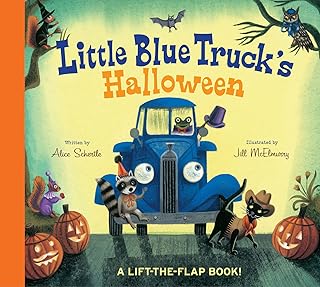
- The Very Best Pumpkin – a story about friendship and choosing just the right pumpkin
- Pumpkin Jack – shows what happens as a pumpkin breaks down over time
- From Seed to Pumpkin – simple nonfiction about how pumpkins grow
Five Little Pumpkins is a classic rhyme that works great for counting and memory. Kids love the “Oooo went the wind” part, and repeating it helps them hear rhyming words.
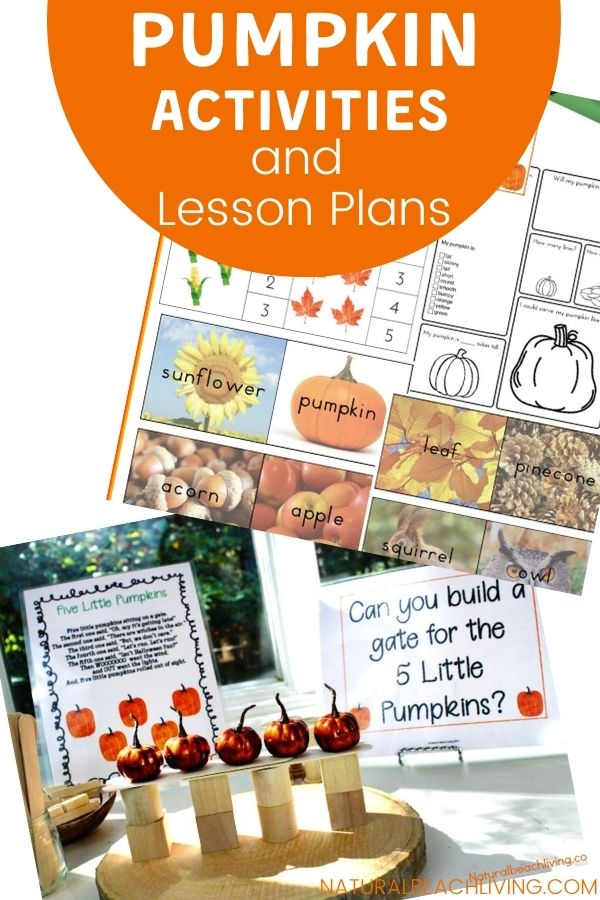
Turn it into a 5 little pumpkins craft with a paper gate and five orange faces. Kids move each pumpkin as you say the rhyme together, which keeps small hands busy while they practice sequencing.


Pumpkin Sensory Play and Fine Motor Play
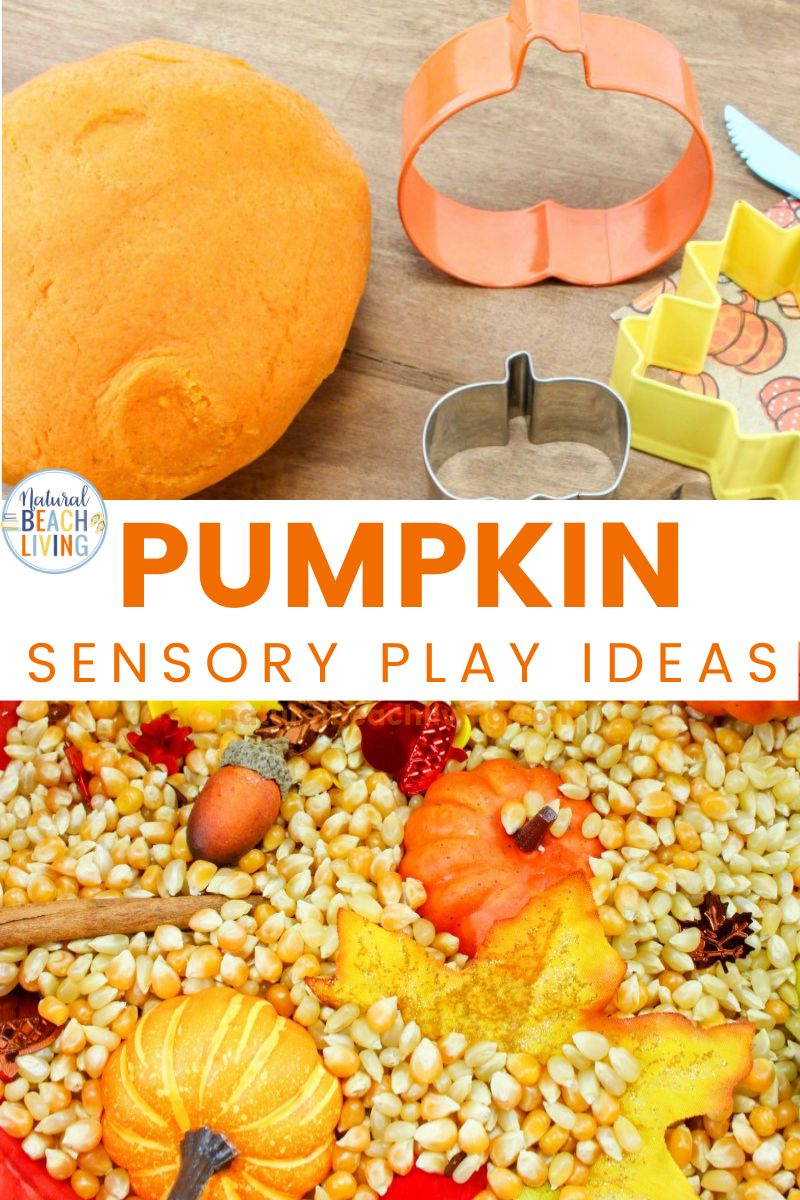
Pumpkins give you an easy way to build hand strength, practice scooping and pinching, and let kids dig into messy, hands-on learning. A sensory bin, a batch of pumpkin pie playdough, and a few simple tools can keep little hands busy all fall.
Try making and playing with this super cool Pumpkin Slime. Your kids will love it!
Set Up a Pumpkin Sensory Bin
Start with a shallow plastic tub or a large baking tray so kids can see everything at once.
Fill it with a base like dried corn kernels, orange-dyed chickpeas, shredded paper, or the stringy pulp and seeds from a real pumpkin. Toss in small plastic pumpkins, orange pom-poms, plastic gems, and a few scoops.
Tools to add:
- Kid-safe tweezers and tongs
- Measuring spoons and small cups
- A funnel and a slotted spoon
- Small buckets for sorting
Sensory bins work well for more than just play. Ask kids to guess how many chickpeas fit inside one plastic pumpkin, then count together in groups of ten.
You can also sort items by color or size. When the fun is over, seal the filler in a bag and save it for next year.
Pumpkin Playdough Recipe
Homemade playdough takes about ten minutes and smells like fall.
Here are some pumpkin playdough ideas to try:
| Activity | Skill Practiced |
|---|---|
| Roll balls and press in real pumpkin seeds | Pinching and placing |
| Add twigs and craft sticks as pumpkin stems | Poking and planting |
| Cut ropes of dough with safety scissors | Scissor skills |
| Build jack-o’-lantern faces with buttons | Hand-eye coordination |
Store it in a sealed container in the fridge for a few weeks.
Develop Hand Strength and Coordination
Small pumpkin tasks build the muscles kids need later for writing.
Try these:
- Hammer golf tees into a real pumpkin with a toy mallet
- Thread pipe cleaners through holes punched in a paper pumpkin
- Clip clothespins around a cardboard pumpkin as vines
- Tear orange paper into strips and glue them into a pumpkin shape
- Bend paper clips into curly stems
Washing and counting pumpkin seeds is another good one. Kids pinch each slippery seed, which takes real focus.
For scissor skills, draw thick lines on orange construction paper and let kids snip along them. Straight lines first, then curves.
Create Art, Crafts, and Pretend Play
Pumpkin crafts for kids can be as simple as stickers on a real pumpkin or as messy as finger painting on a paper plate. Add a pretend pumpkin patch, and your preschoolers get art, language, and social play all in one theme.
Make Easy No-Carve Pumpkin Art
You do not need a knife to decorate a pumpkin. Set out a small pumpkin and let kids build a face or pattern with materials they can move around.
Good no-carve options include:
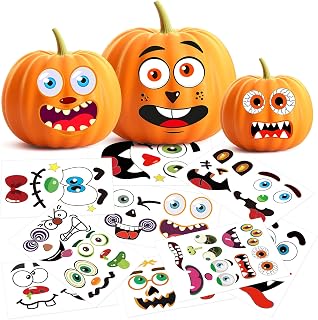
- Reusable stickers for eyes, mouths, and shapes
- Playdough pressed on to make noses, hair, and jack-o-lantern grins
- Large paper circles and triangles taped in place
- Yarn or fabric strips wrapped around the stem
Skip glitter, gems, and tiny beads if a child still puts things in their mouth. Use full-size pieces instead.
If you do want to carve, keep it an adult job. Kids can scoop seeds and pull out the strings, but you should hold the knife and put it away before they come close.
Tip: Ask “Tell me about your pumpkin” instead of “What is it?” You will hear a lot more.

Try Process Art and Painting Ideas
Process art means the making matters more than the finished piece. That takes the pressure off, and preschoolers relax and experiment.
Here are a few easy pumpkin art projects to try:
| Idea | What you need | Skill it builds |
|---|---|---|
| Pumpkin paper plate craft | Paper plate, orange paint, green paper stem | Coloring in a shape, cutting practice |
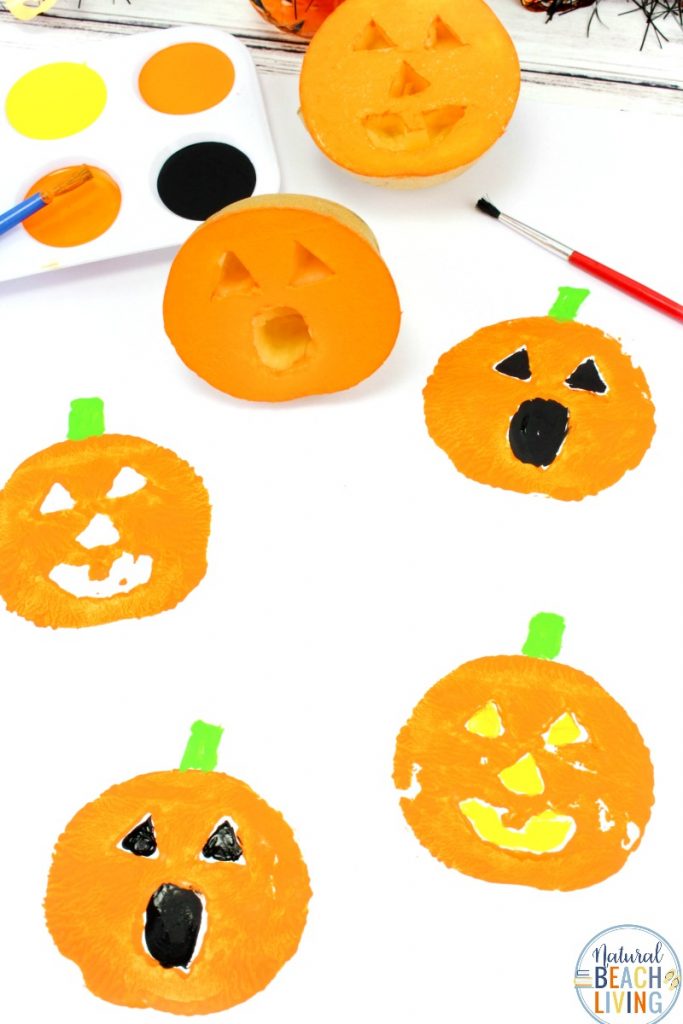
| Pumpkin Potato Stamping | Orange and green washable paint, thick paper | Hand strength, color mixing |
| Painting with pumpkins | Small gourds dipped in paint, rolled on paper | Cause and effect, wrist control |
| Painted pumpkin rocks | Smooth rocks, orange and black paint | Fine motor control, patterns |
Cover the table, roll up sleeves, and check the paint label before you start. Washable paint is easier on clothes, but no paint is right for every child or every room.
Let kids paint a real pumpkin too. It is a great option for pumpkin decorating when carving is off the table.
This pumpkin salt painting is one of our favorite art activities during the fall season.
Set Up a Pumpkin Patch Play Center
A pumpkin patch dramatic play area gives kids a reason to talk, count, and take turns. You can build one with things you already have.
Try this setup:
- Pumpkins: real mini pumpkins, stuffed fabric pumpkins, or paper cutouts
- A stand: a cardboard box or low table with a sign
- A cash register: a shoebox with paper money and a play phone
- Wagon or basket: for hauling pumpkins to the “market”
- Props: aprons, garden gloves, paper bags, a small chalkboard for prices
Add roles so kids know what to do. One child picks a pumpkin, one weighs them, one washes them, one is the shopper.
You will hear words like stem, vine, heavy, and dollar show up on their own. That is the whole point.
Use Printables and Low-Prep Activity Ideas
Printable pumpkin activities save you time when the day gets busy. With a stack of paper, some crayons, and scissors, you can set up letter hunts, counting pages, and life cycle work in just a few minutes.
Pumpkin Worksheets and Coloring Pages
Not every worksheet earns its spot. Pick pumpkin worksheets that practice one clear skill, like tracing numbers 1 to 10 or matching uppercase and lowercase letters.
Pumpkin coloring pages work well for fine motor practice. Kids build hand strength while they color, which helps later with writing.
A pumpkin color by number page adds number recognition to the same activity. Your child reads the number, finds the matching color, and fills in that space.
Pumpkin life cycle worksheets are a good fit for kids who just visited a patch. They can color the seed, sprout, vine, flower, and orange pumpkin, then talk about what came first.
Keep sessions short. Ten minutes with one page beats a thick packet that ends in frustration.
Create a Pumpkin Hunt
A pumpkin hunt turns preschool printables into a game that gets kids moving.
Print small pumpkin cards with letters, numbers, or shapes on them. Tape them around the room, under chairs, and behind doors.
Give your child a recording sheet and a crayon. Each time they find a pumpkin, they circle or write the matching letter on their paper.
Here are a few ways to change the hunt:
- Letter hunt: Find the pumpkin with the letter that starts your name.
- Number hunt: Collect pumpkins in order from 1 to 12.
- Color hunt: Sort the pumpkins you find into piles by color.
- Sight word hunt: Match each pumpkin to a word on your card.
A pumpkin patch printable makes a good home base. Kids can bring each pumpkin they find back to the paper patch.
Support Sequencing and Independent Practice
Sequencing skills help kids understand order, and pumpkins make that easy to see.
Print a pumpkin life cycle activity with four or five picture cards. Your child cuts them apart, puts them in order, and glues them on a strip of paper.
You can do the same thing with steps for making pumpkin pie or carving a jack-o’-lantern. Ask your child to tell you what happens first, next, and last.
For independent practice, slide printables into plastic sleeves and add dry erase markers. Kids can trace, wipe, and try again without using more paper.
Store finished pages in a folder. Looking back at their own work in November shows kids how much they learned.
Whatever activities you choose, pumpkin-themed play offers a wonderful way to celebrate the season while supporting your preschooler’s growth and development.
From sensory bins filled with pumpkin guts to counting seeds and painting mini pumpkins, these hands-on experiences make learning feel like play.
Best of all, they create simple, joyful memories that both you and your little one will treasure long after autumn ends. So, grab a pumpkin, gather your supplies, and enjoy watching your child’s curiosity and creativity bloom this fall!
Preschool Pumpkin Activities
Pumpkin Unit Study Printable Activities for Kids